Often, we share comments about our B.A.M. and J.A.M.I.N. programs from the students’ perspectives. This year I would like to highlight our remarkable teachers. Teachers are the backbone of our mangrove education and restoration programs, and their crucial role cannot be overstated. Over the years, we have come to realize that the success of these programs hinges on the teachers’ willingness to embrace and seamlessly integrate them into their classrooms. Their dedication and passion for teaching have enabled us to achieve our goals of educating students about the significance of mangroves and instilling a sense of conservation in them.
We extend our heartfelt appreciation to all the teachers who have been part of our programs, both the veterans who have been with us since the beginning, and the new members who have recently joined our educational family. It is their incredible commitment that empowers us to make a lasting impact on the lives of students and cultivate a future generation that will protect and preserve our precious mangroves. It’s time to meet and celebrate our dedicated B.A.M. and J.A.M.I.N. teachers who make a significant difference every day!
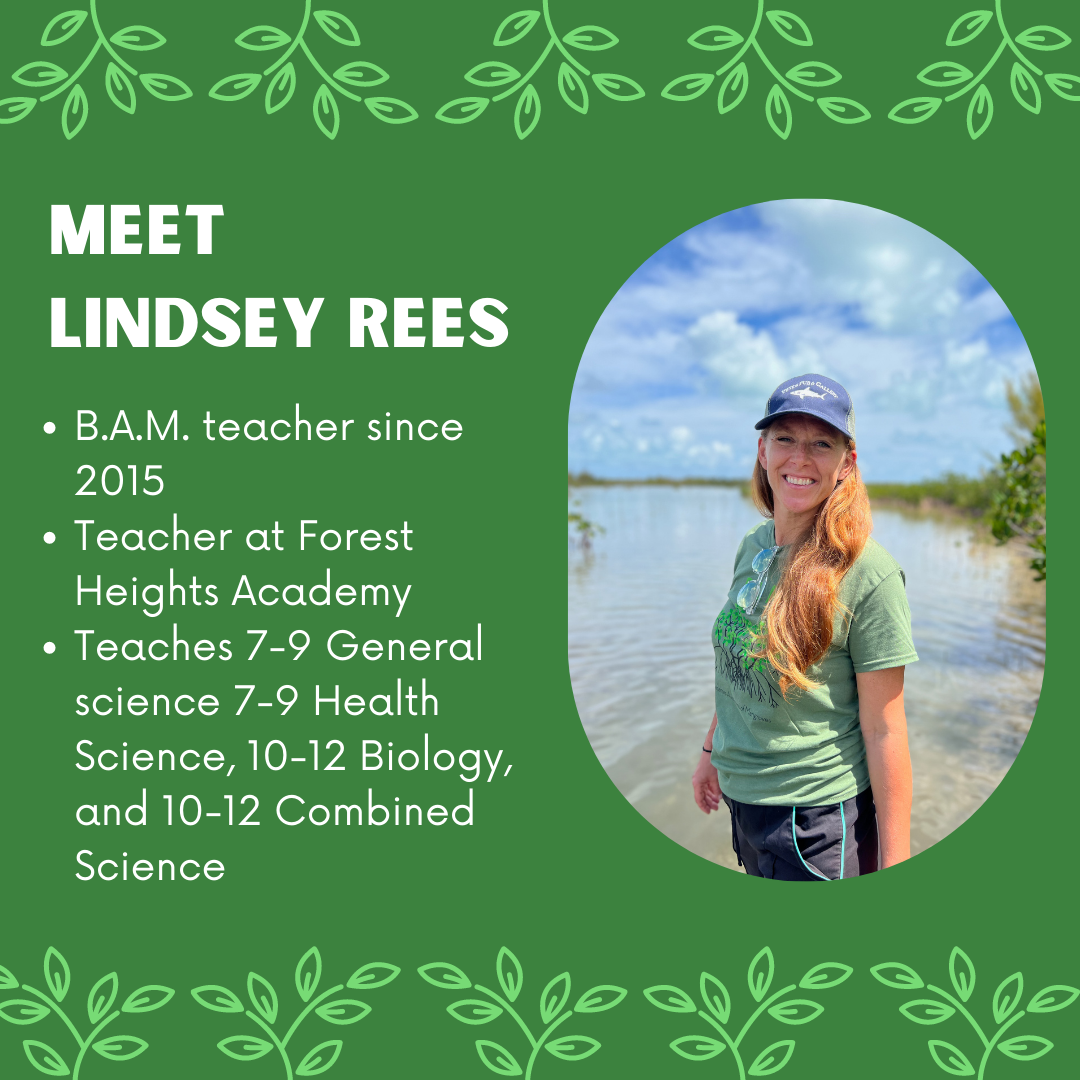
Mrs. Lindsey Rees
“B.A.M. is important for Bahamian students to participate in because it gets them out of the classroom and into the field. It connects them with international research and instills greater care for the mangroves and wetland ecosystem by becoming a hands-on experience.”
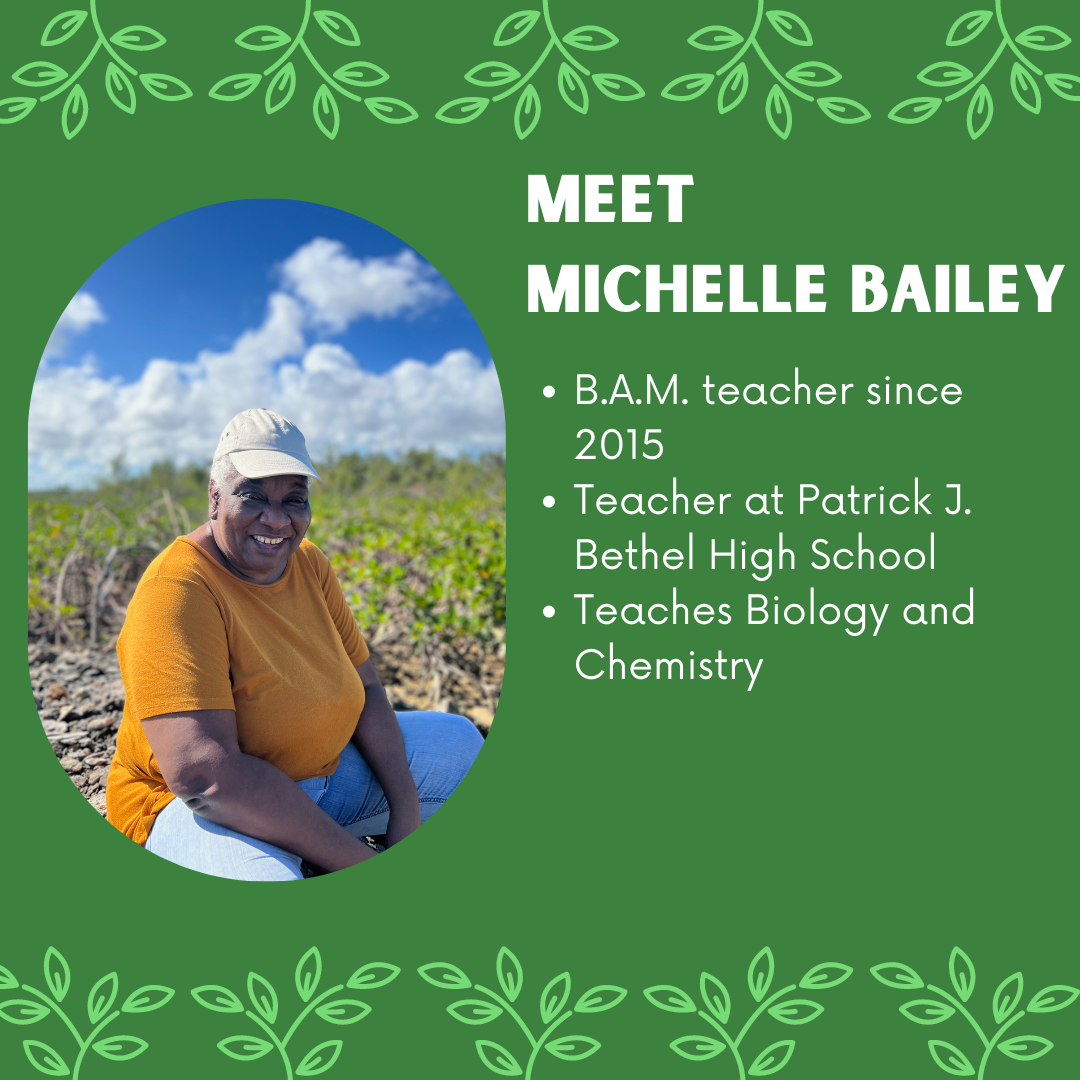
Mrs. Michelle Bailey
“B.A.M. reminds me that I am a scientist and helps the students think and act like scientists. The B.A.M. experience enhances the students’ understanding of the goals and concepts required by the Bahamian Ecosystem Units in The Bahamas’ Biology Curriculum.”
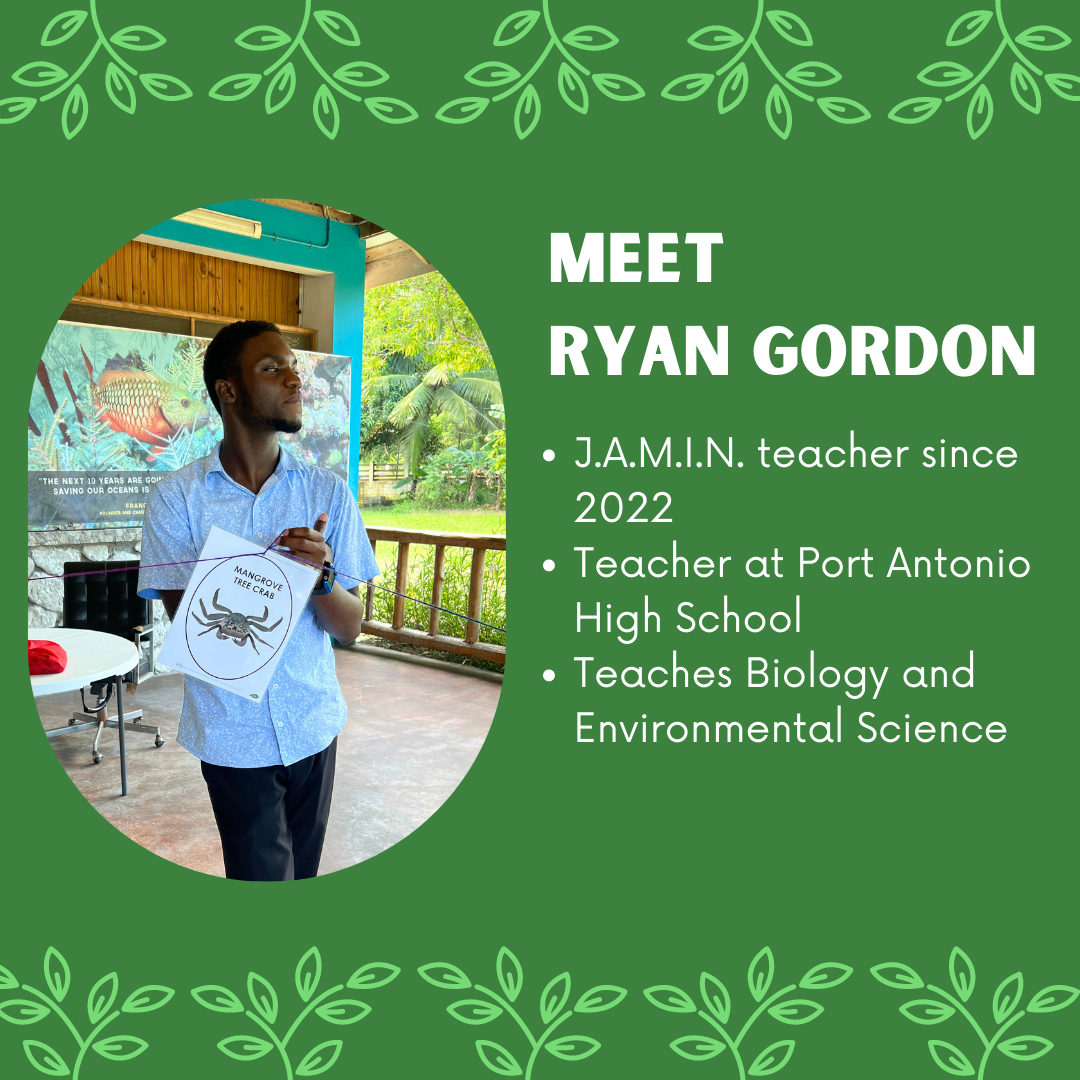
Mr. Ryan Gordon
“J.A.M.I.N. has an immense impact on my students. I have a class of 50 students, the largest class in the entire school. It can be really difficult getting all those students on the same page; however, J.A.M.I.N. draws the students towards learning. Even the students that are idle and ditch class, ensure that they don’t miss the J.A.M.I.N. exercises.”
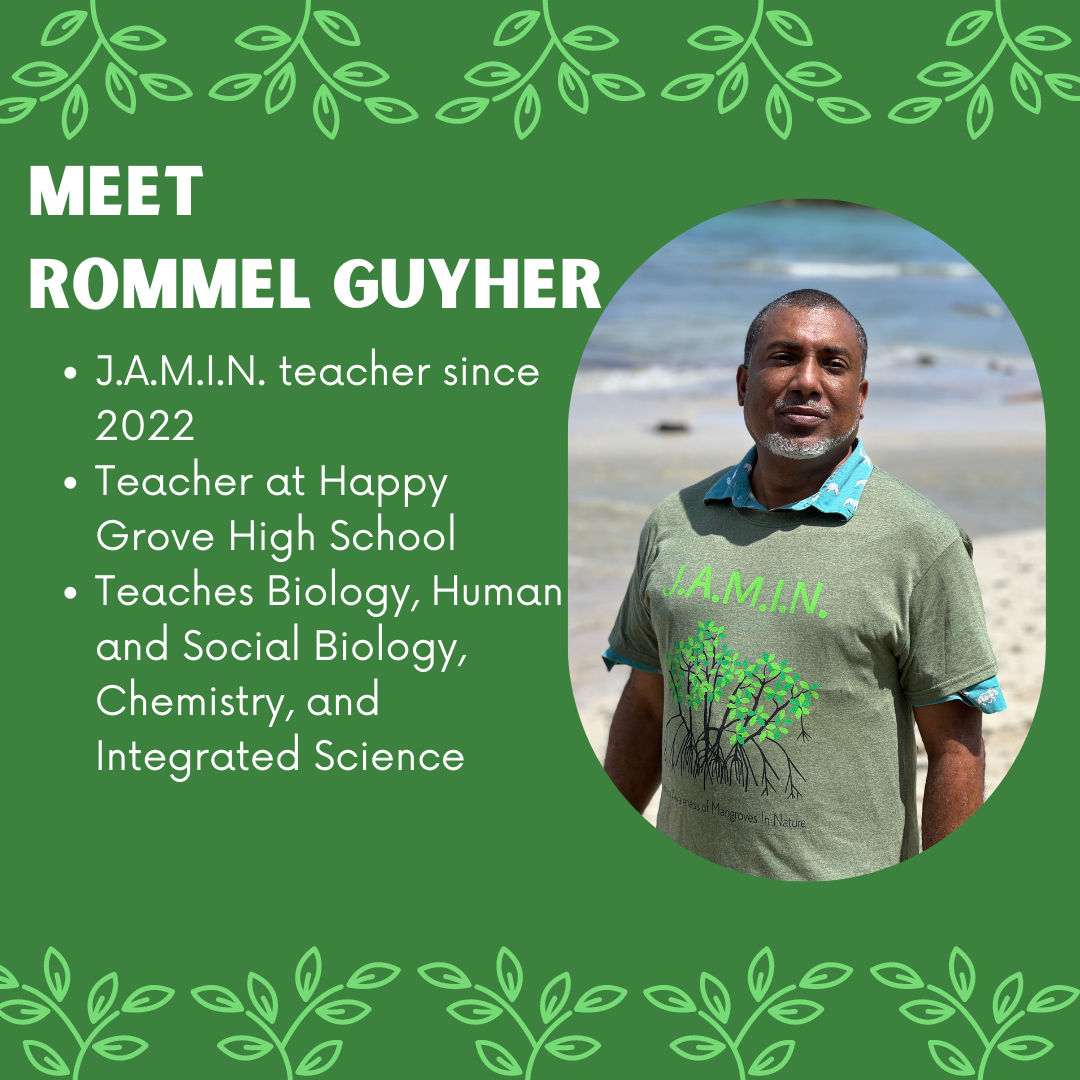
Mr. Rommel Guyher
“The J.A.M.I.N. program educates about the importance of protecting and restoring our mangrove ecosystem by fostering a symbiotic relationship with our future generations of students and their natural environment. These students will be crucial future leaders in safeguarding and reviving our island’s mangrove forests along the coastline. As future leaders of our country, they must understand the significance of the natural environment in safeguarding essential resources vital for our survival.”
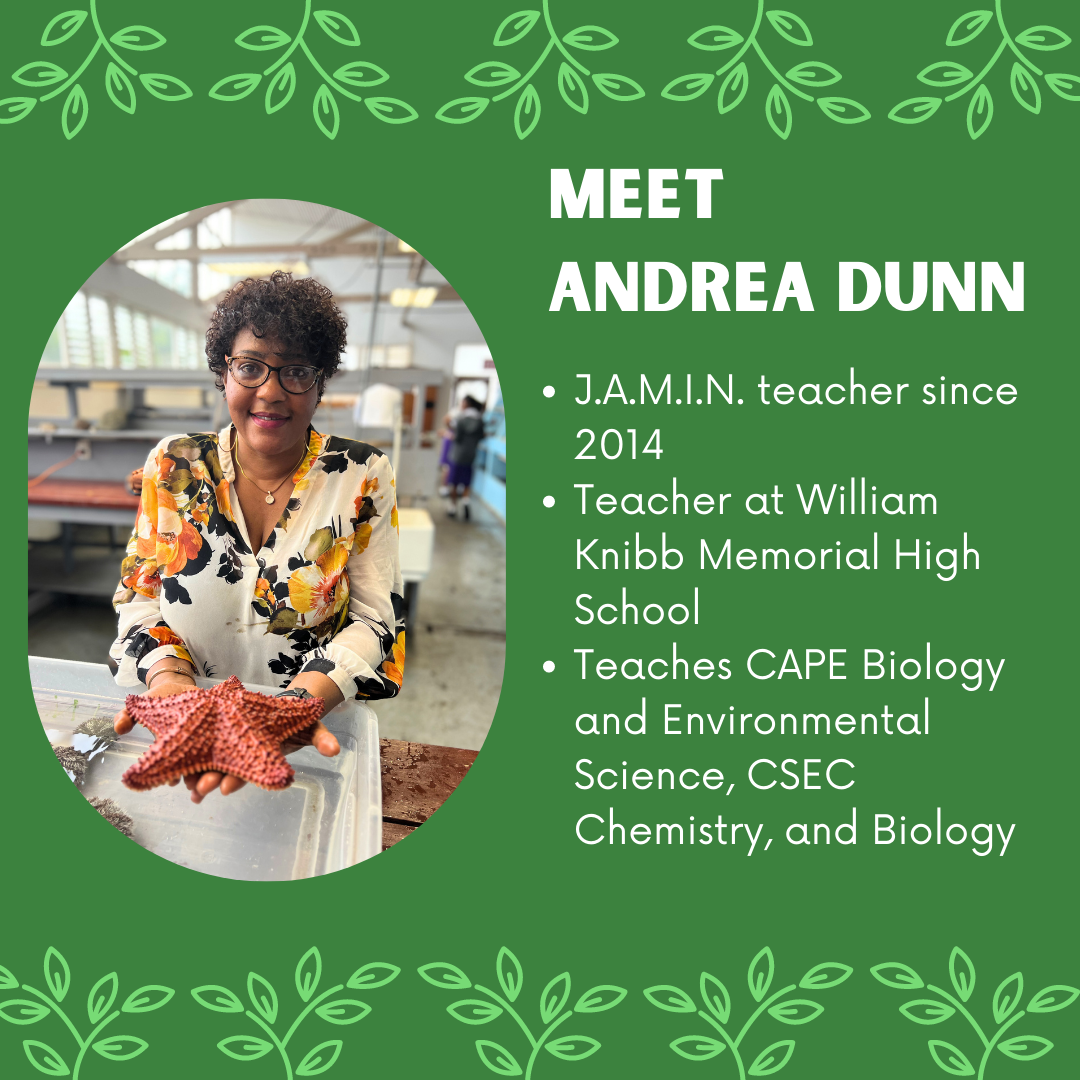
Mrs. Andrea Dunn
“J.A.M.I.N. provides a great investigative topic for students. They are able to plan and design experiments from the course, then carry out hands-on experiments. This exercise forms a big part of the CAPE and CSEC examination requirements for the Jamaican School Base Assessment. The material provided during J.A.M.I.N. covers a large part of the biology syllabus in CAPE and CSEC.”