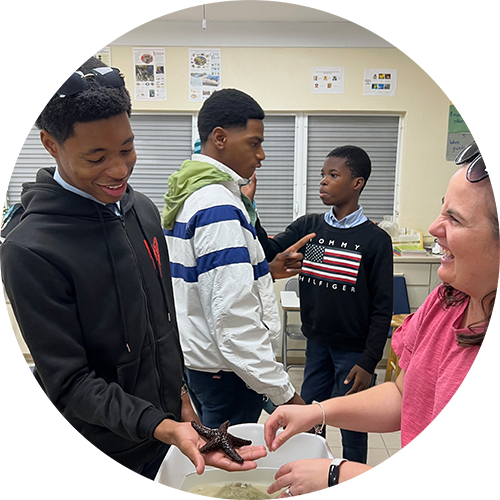
Throughout the B.A.M. and J.A.M.I.N. programs, we evaluate each program by surveying students in each of the three phases of the mangrove education and restoration process. We use this information to gauge how much information the students initially know regarding mangroves and their attitudes toward them before we begin the programs. After we start the programs, we continue to survey the students. This data helps us to determine whether our education programs are effective and whether we know our audience. It also allows us to measure how much knowledge is retained and whether their attitudes and actions about mangroves change as they continue through the program.
During the final survey, we ask the students for their input about the program. We want to know things such as: How we can improve the program, What was their favorite part of the program, and What did they learn from participating in the program?
One of my favorite things after the programs have ended is reading the students’ written responses. Below you will find select responses to the final survey. I hope you enjoy them as much as I do!
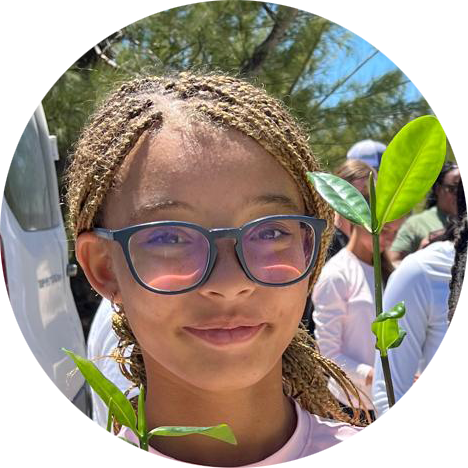
“I liked visiting the mangroves and being able to see what I was looking at in person. Physically interacting with the environment is more fun and engaging!”
– Kailey Sweeting,
Forest Heights Academy
“I learned many new things about the mangroves during this project, and they are very important in protecting our coastlines.”
– Meggan Francois,
Forest Heights Academy
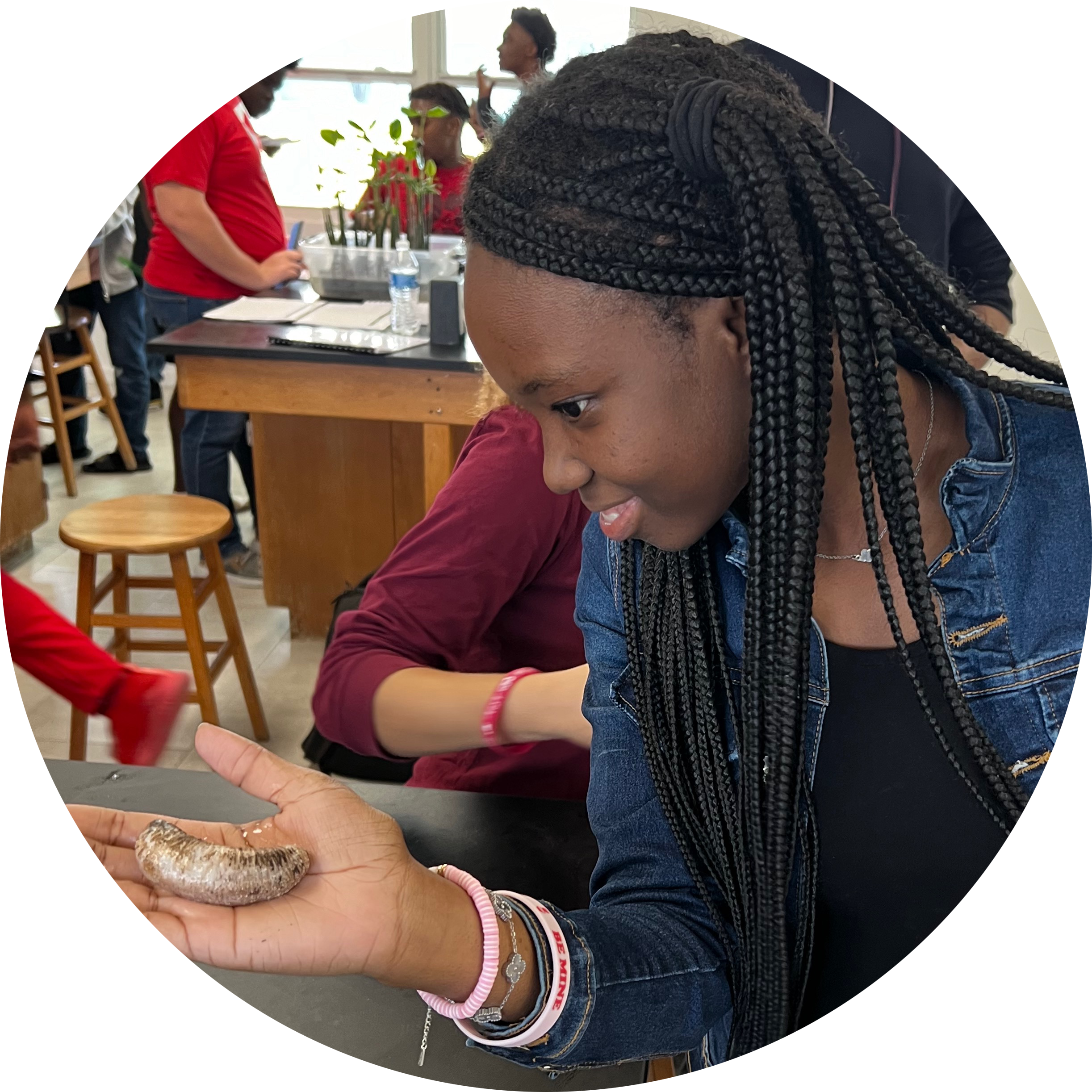
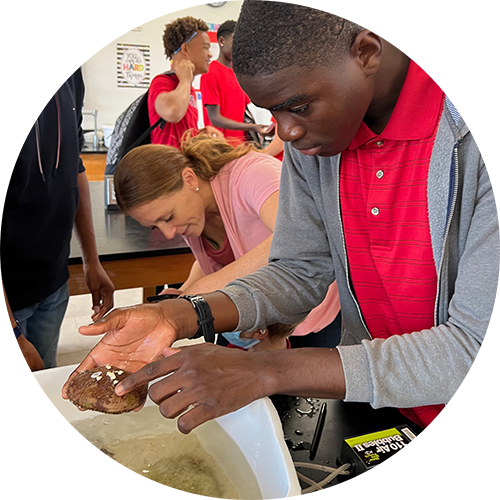
“B.A.M.’s interaction with our class is very educational. It is a very fun experience!”
– Johnathon Black,
Forest Heights Academy
“I learned that you have to protect mangroves for future generations.”
– Rudolph Burrows,
Patrick J. Bethel High School
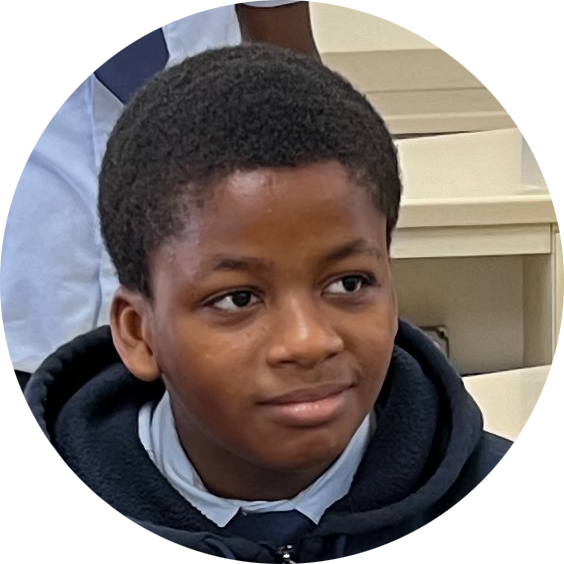
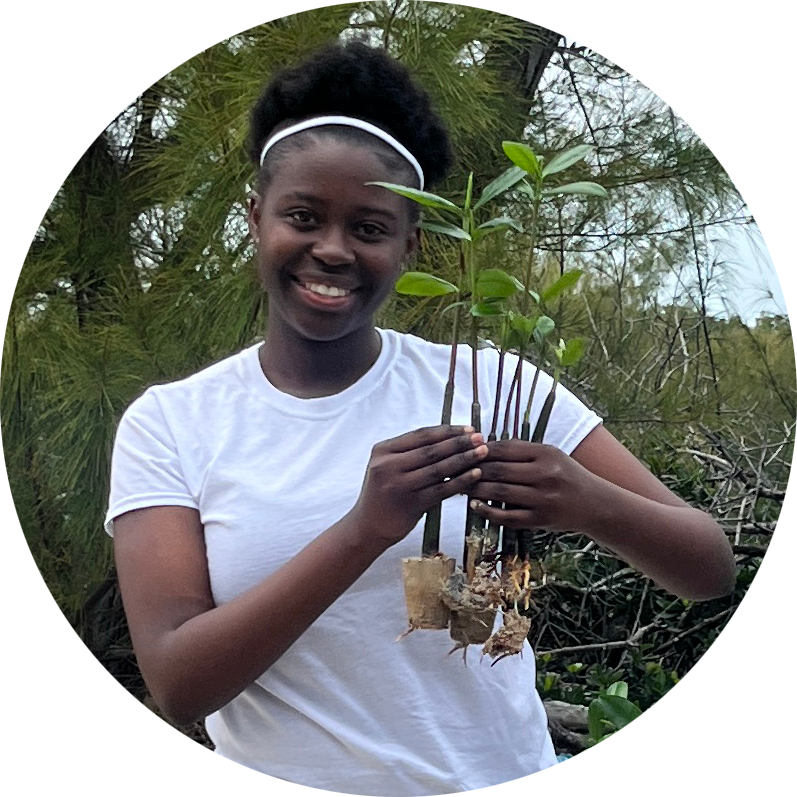
“My favorite part of the project was watching my mangroves grow and blossom with leaves. Mangroves go through a longer growth process than I thought. I also like visiting the mangroves.”
– Tyquanya Albury,
Patrick J. Bethel High School
“I was surprised that different substrates really do impact mangrove propagule growth.”
– Luciano Neely,
Patrick J. Bethel High School