search-icon
ANNOUNCING 2023 SCIENCE WITHOUT BORDERS® CHALLENGE SEMI-FINALISTS – AGES 11-14

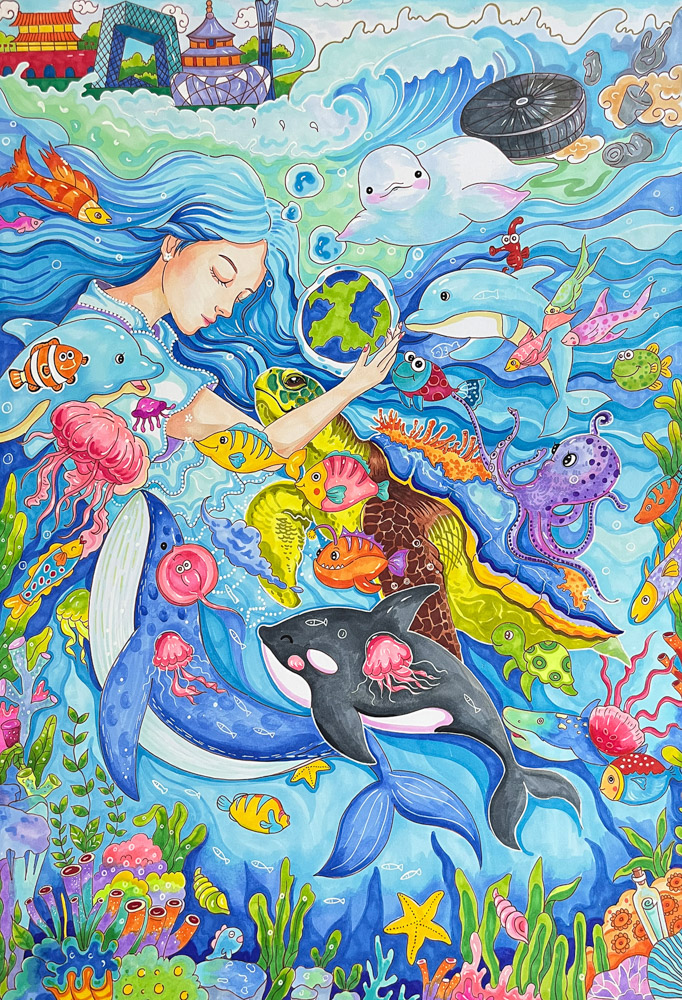
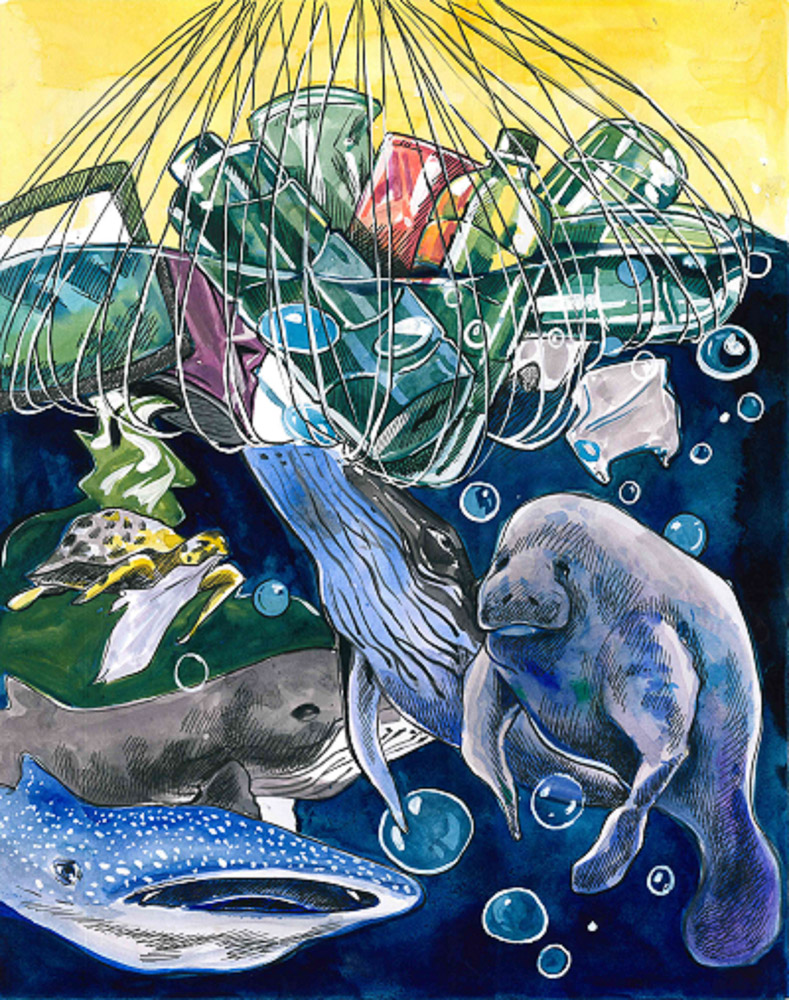
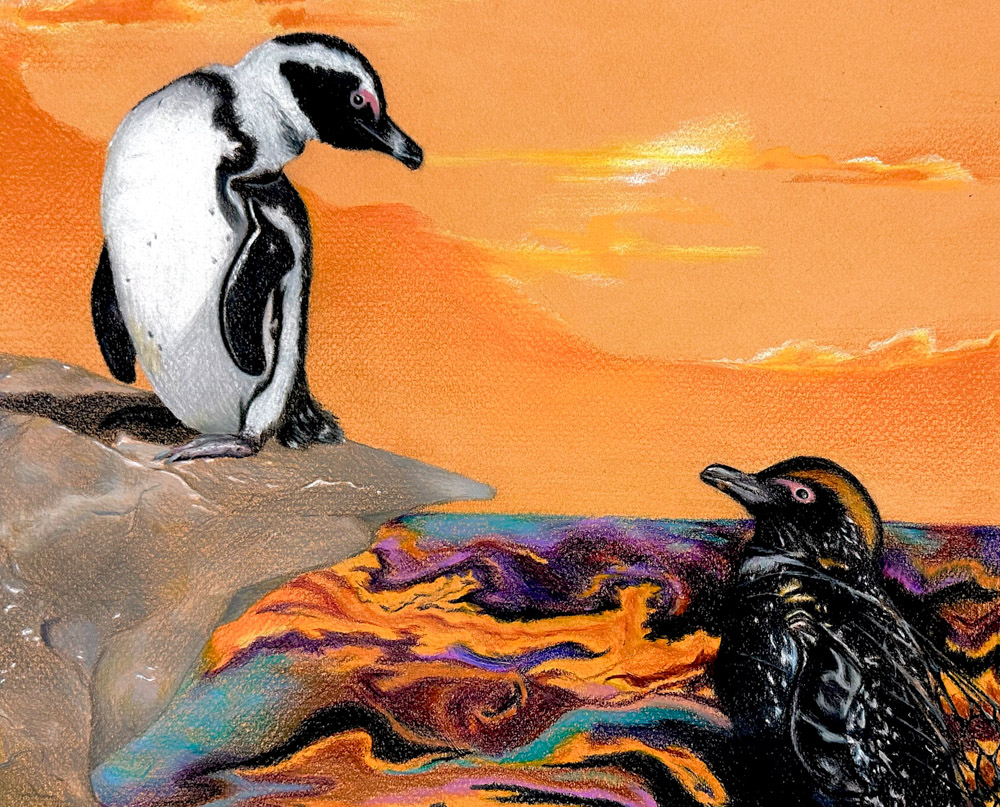
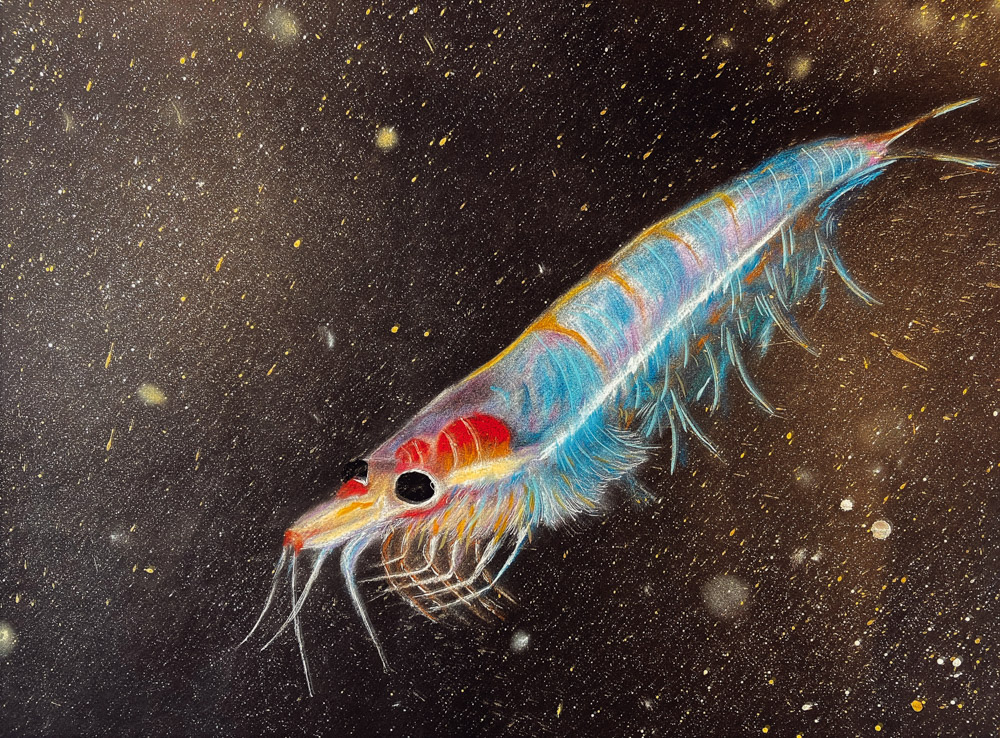
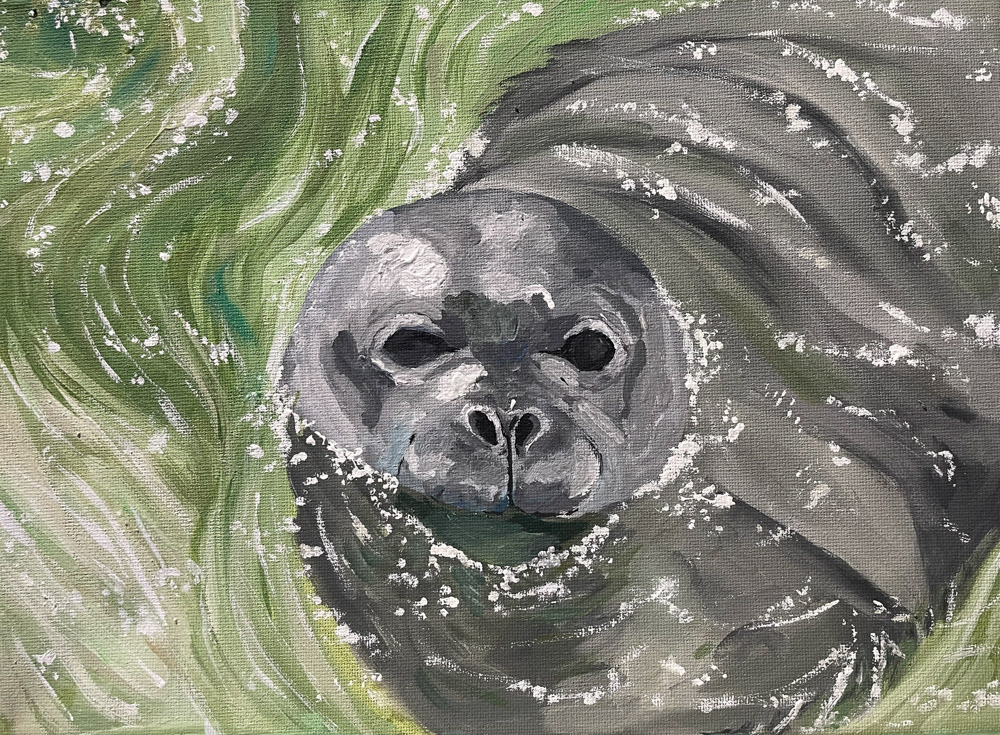
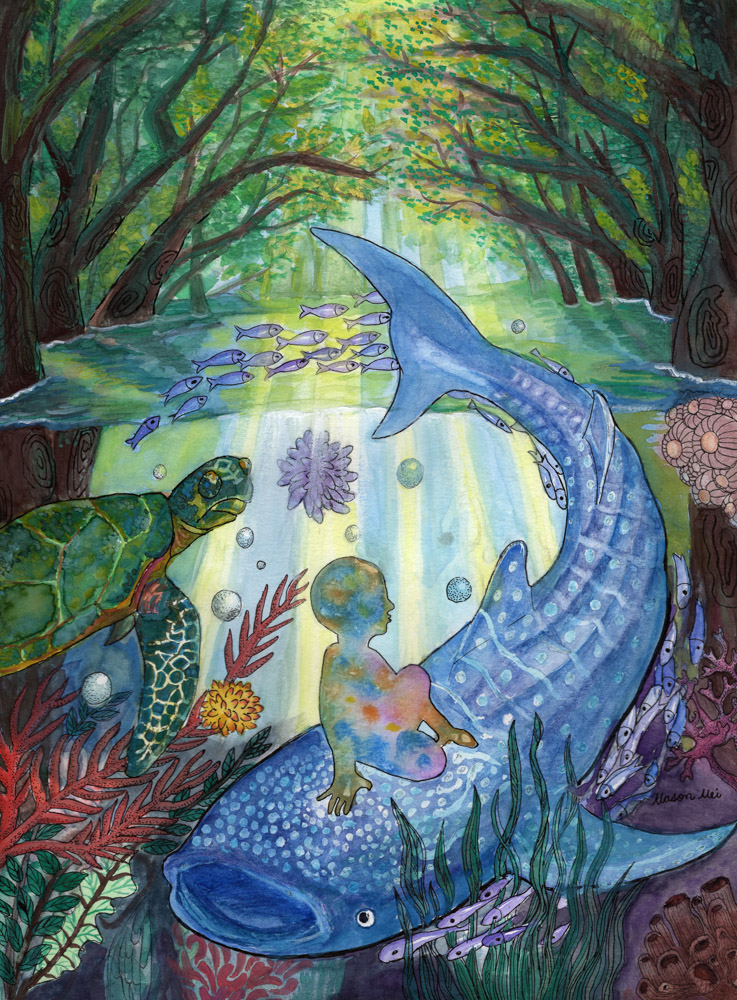
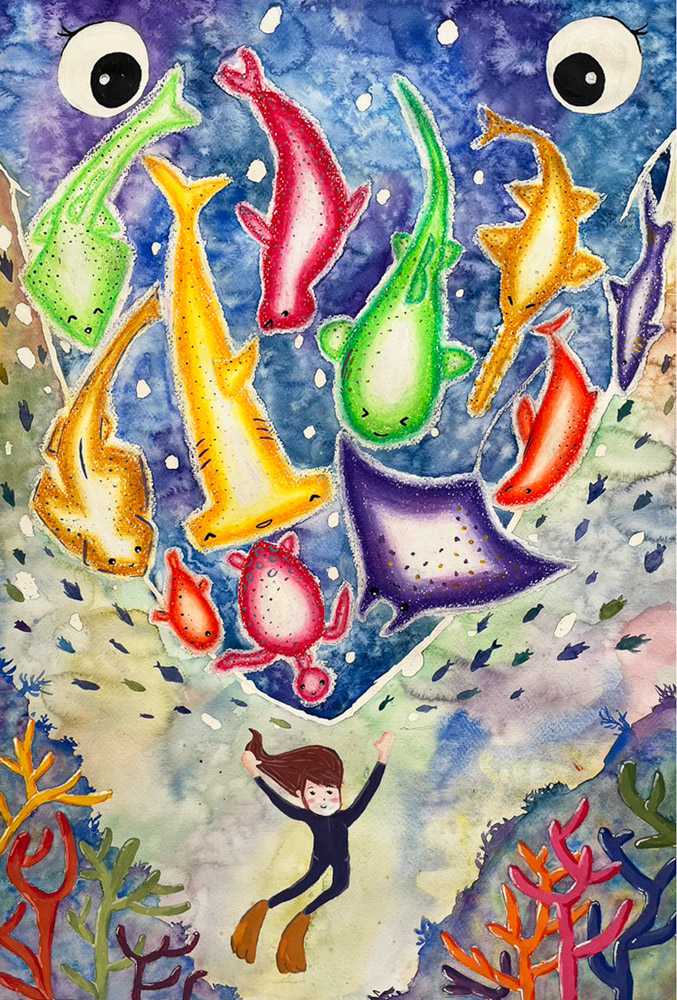
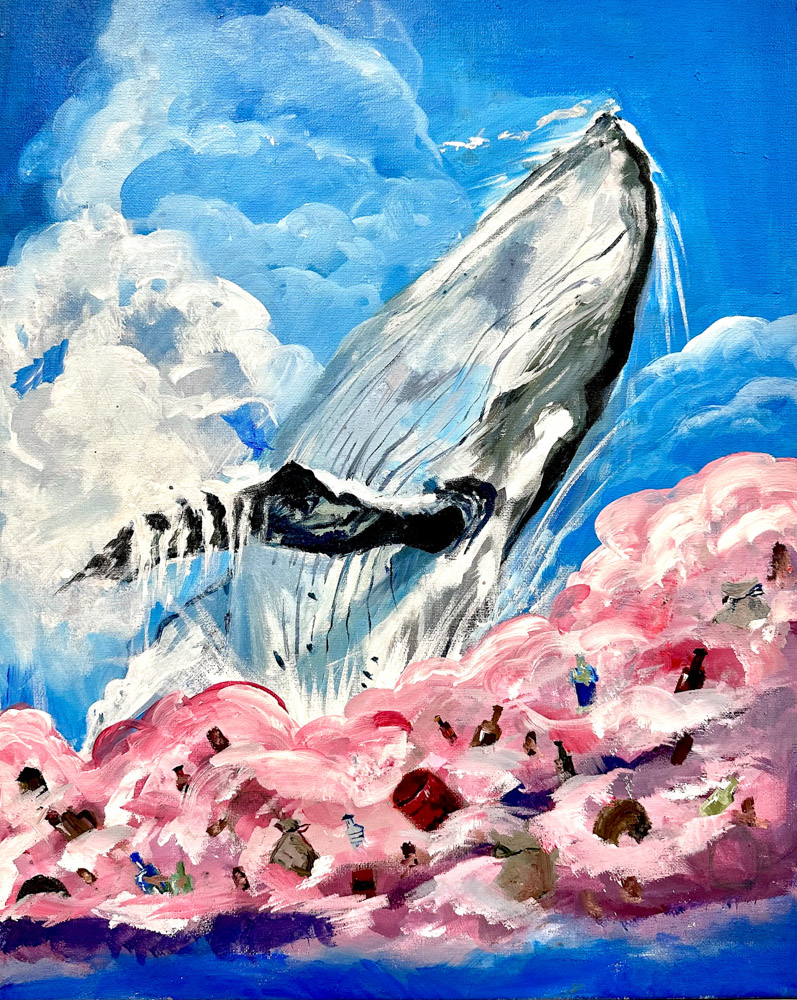
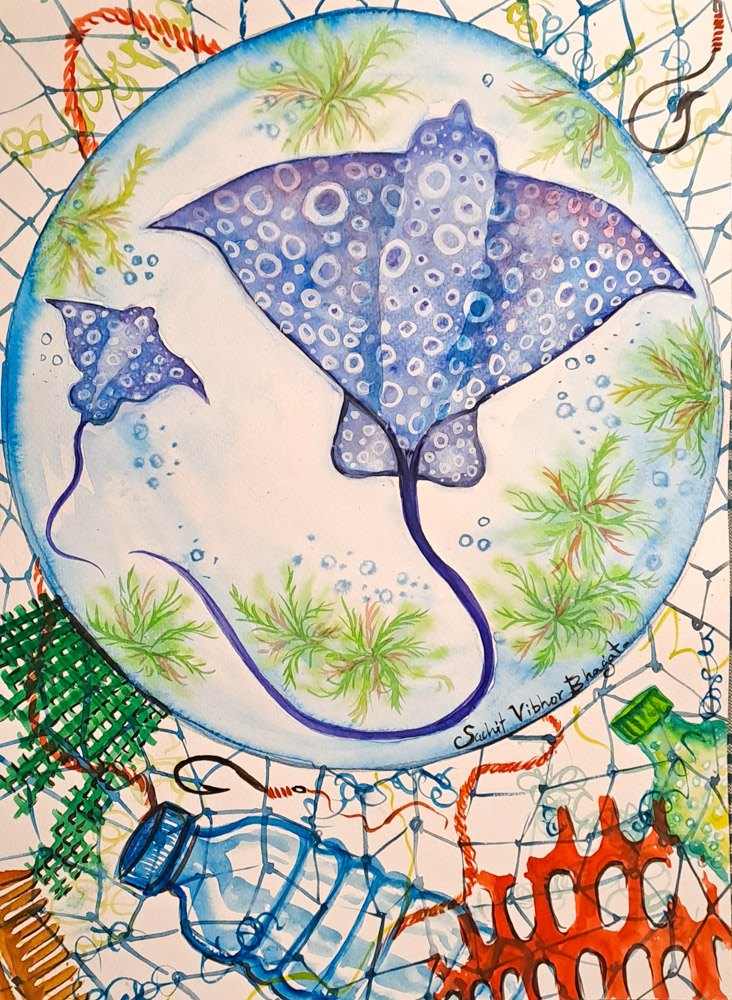
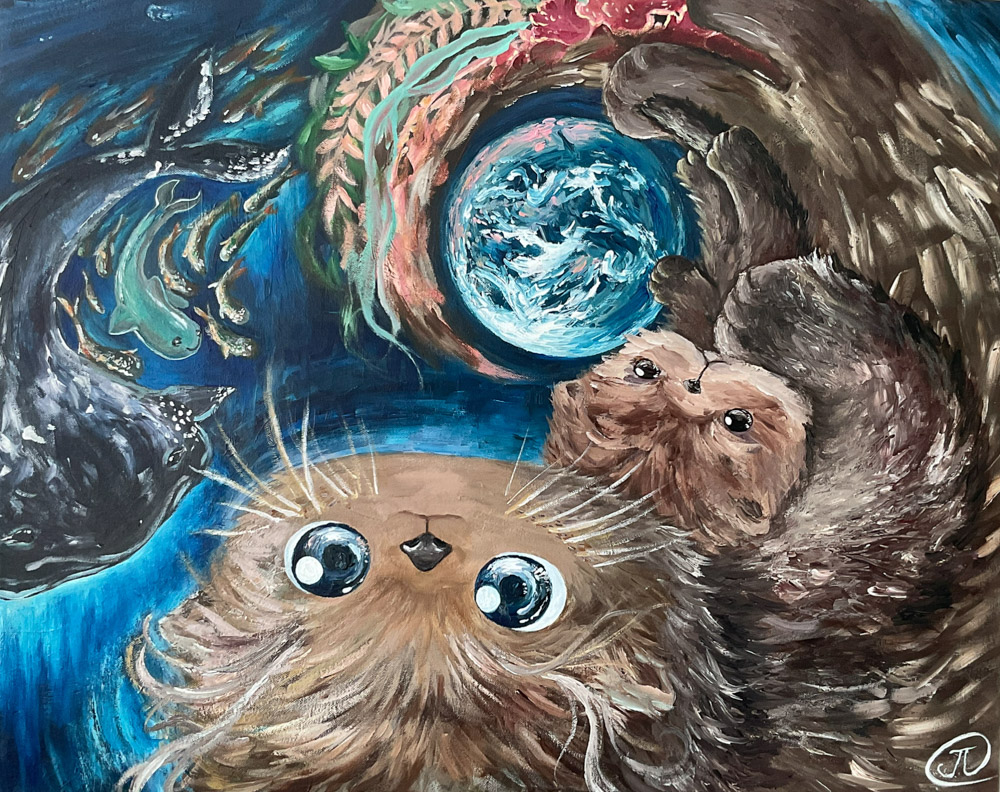
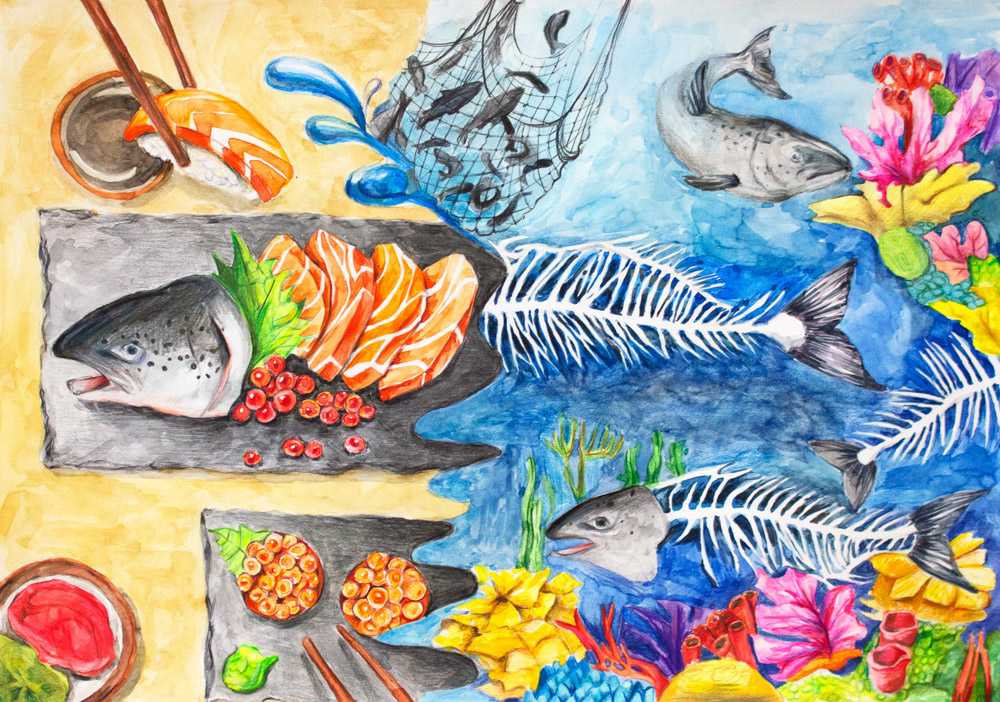
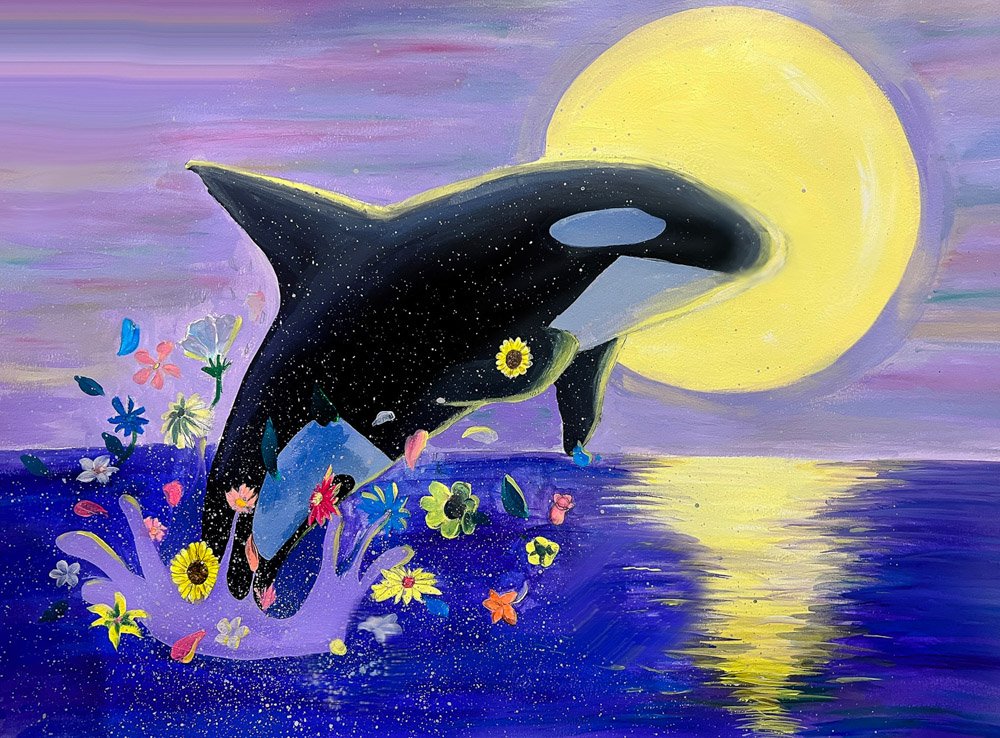
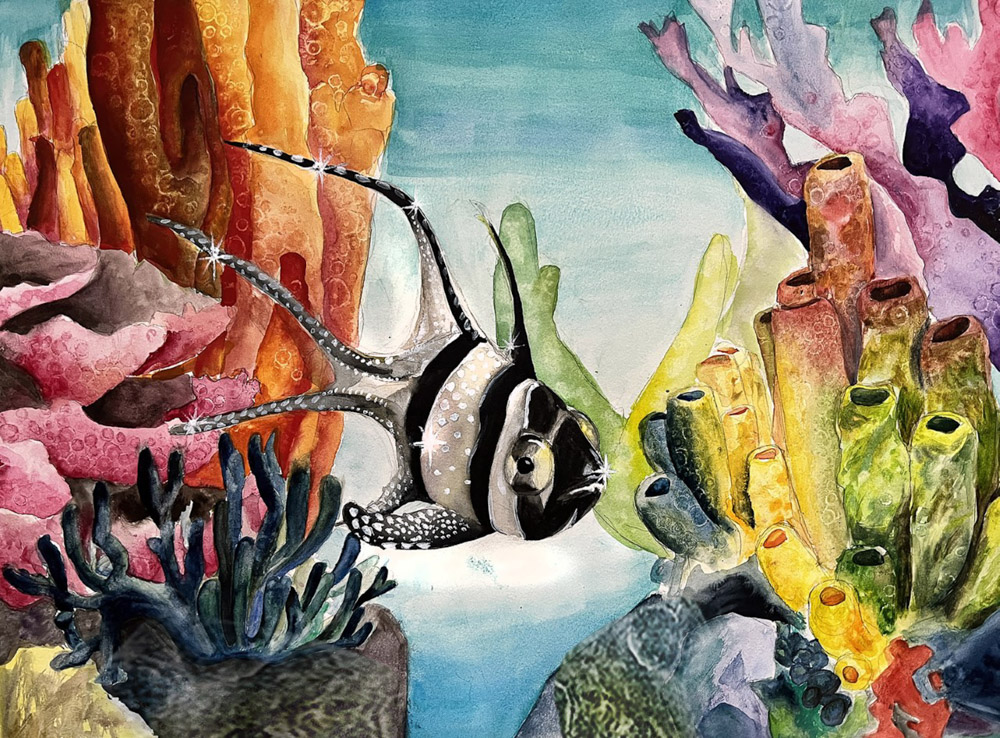
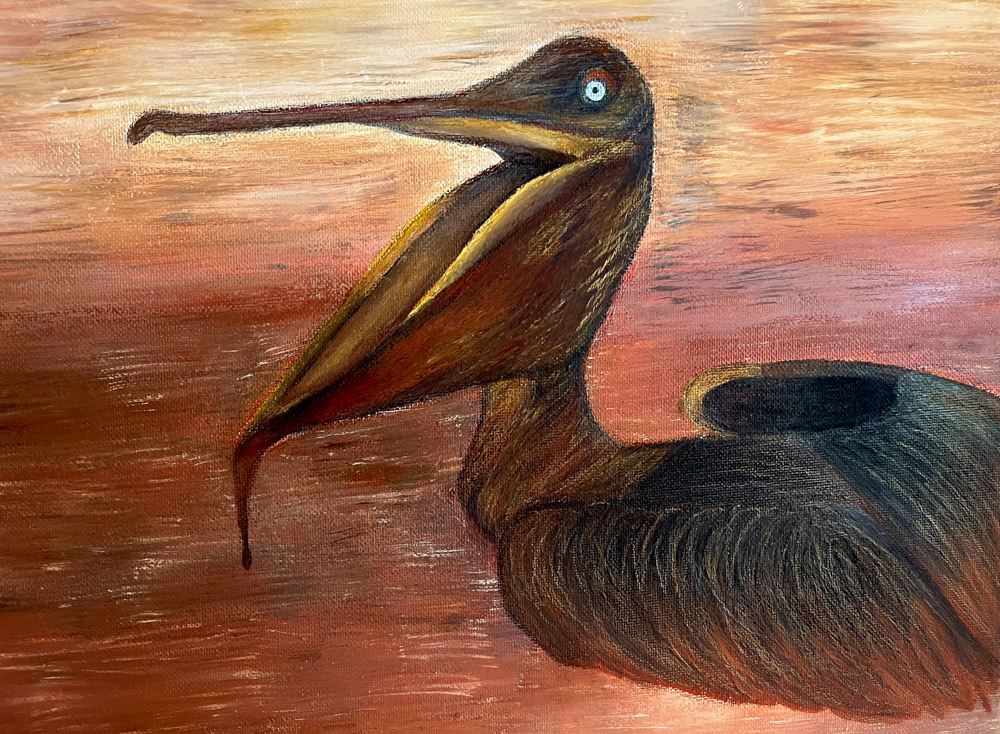
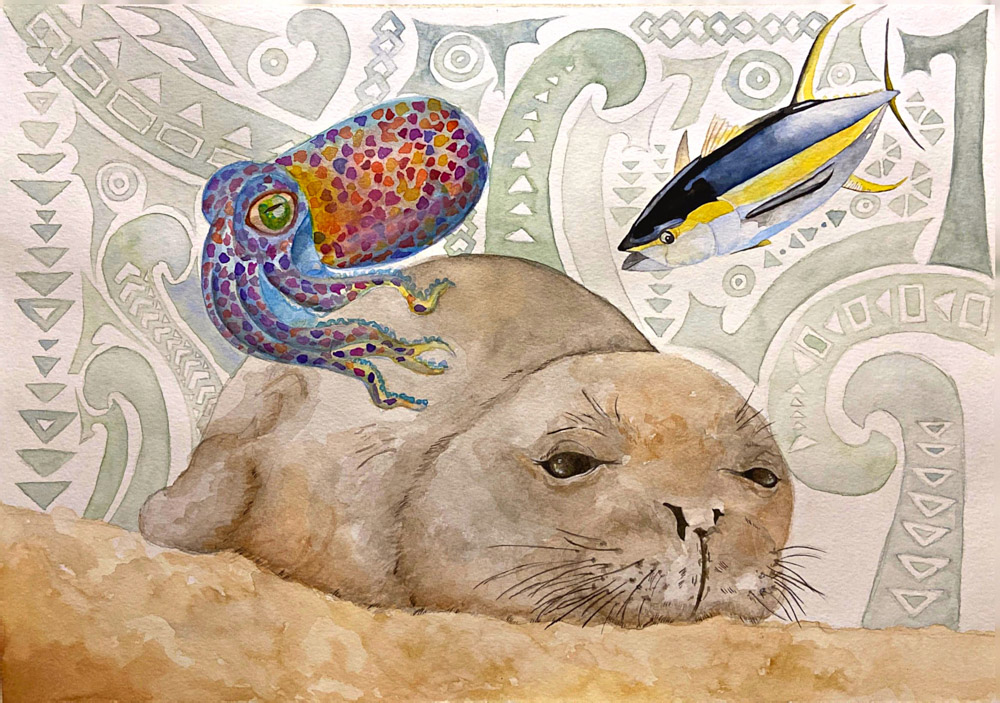
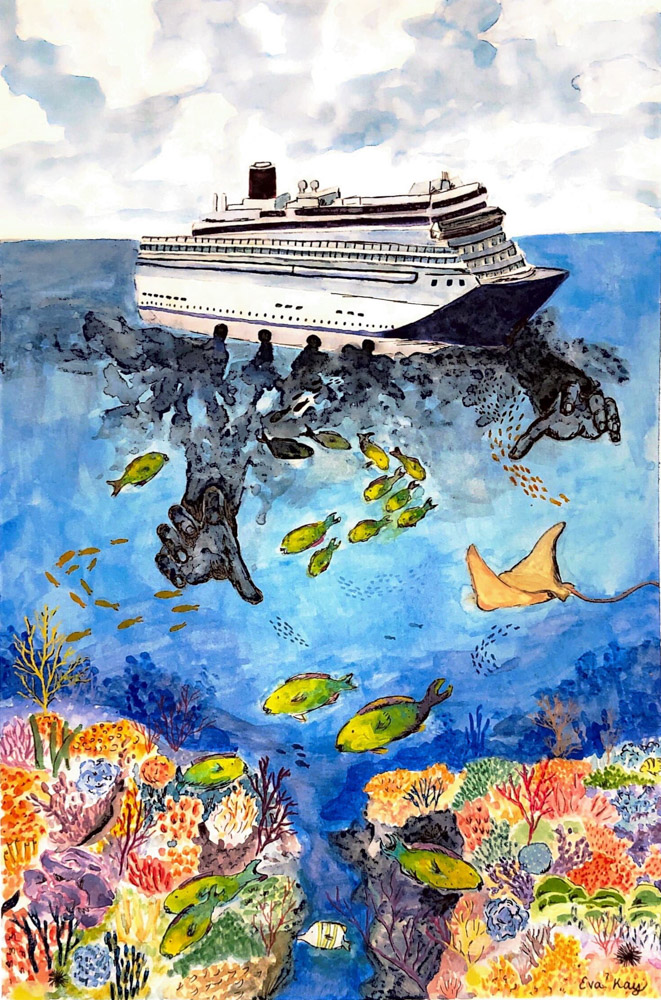
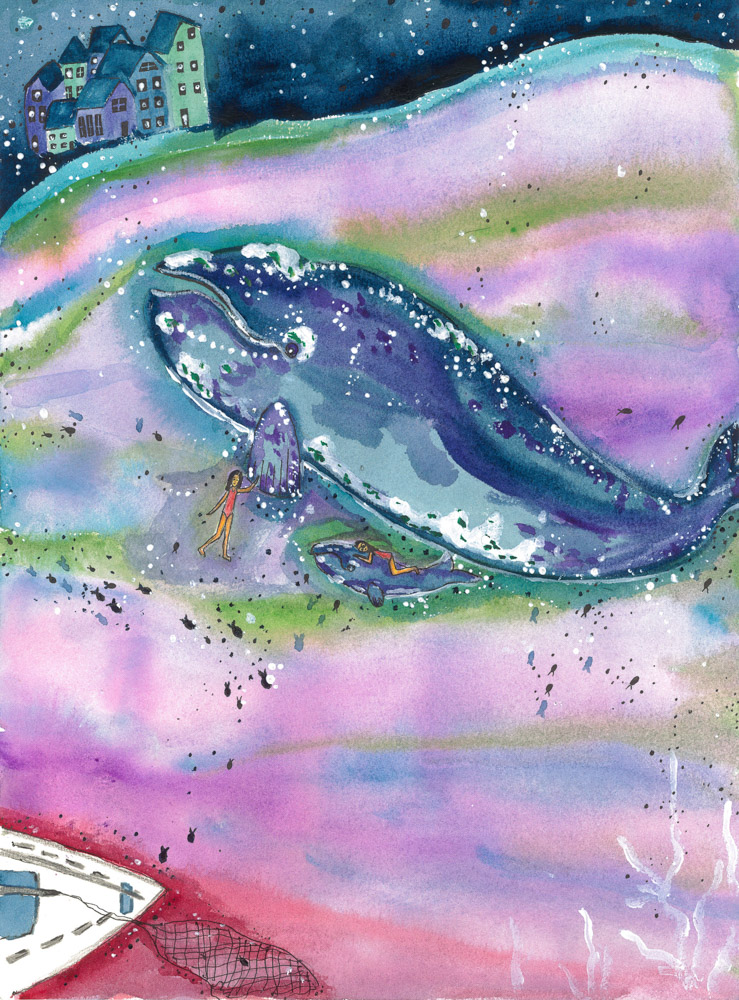
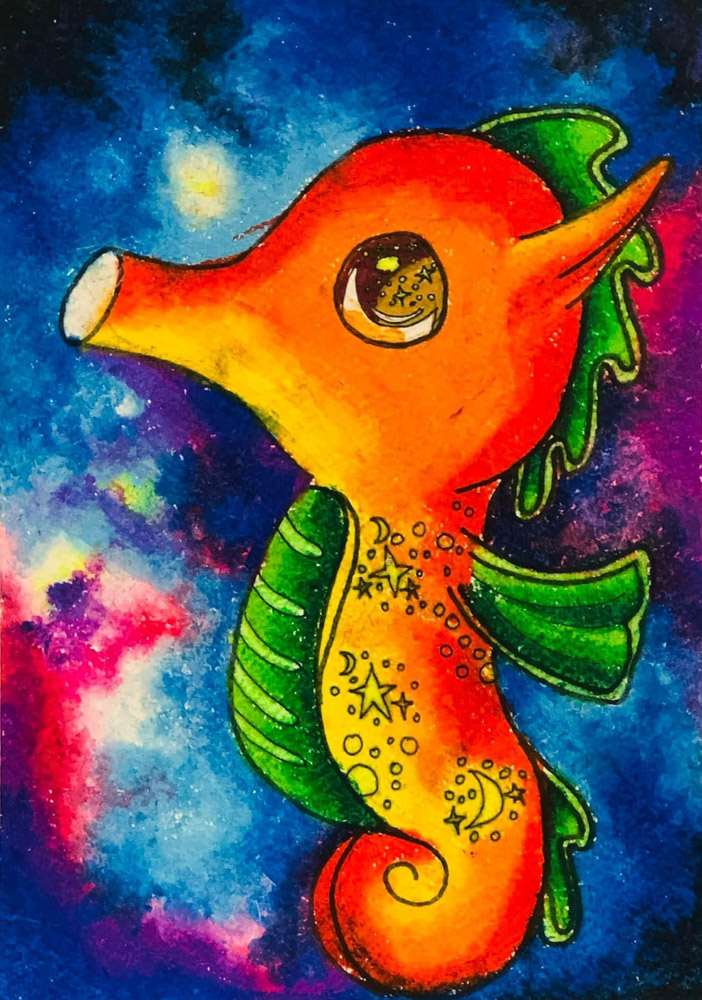
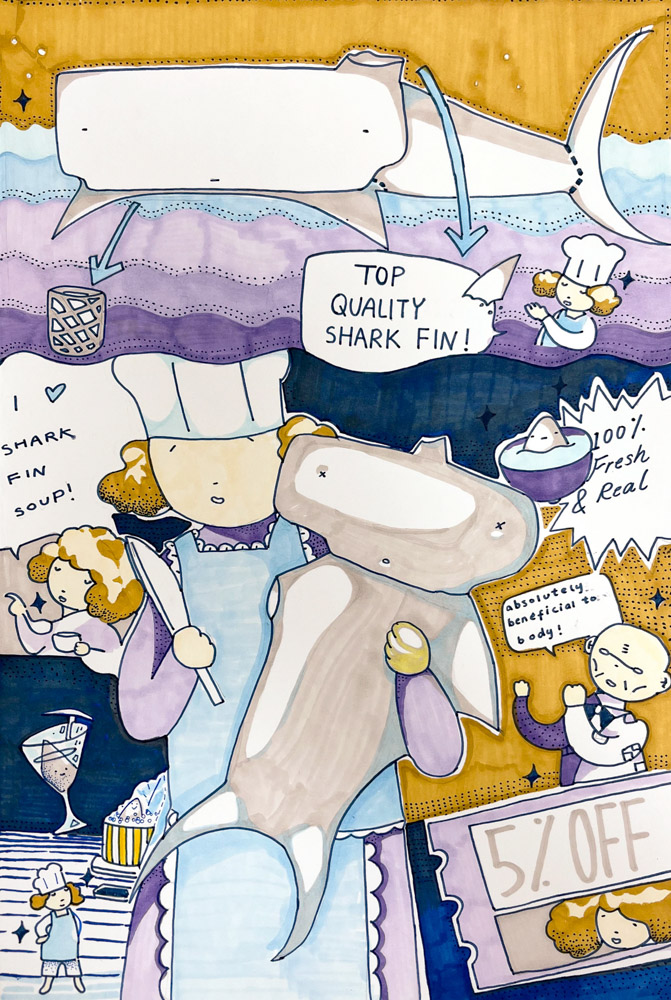
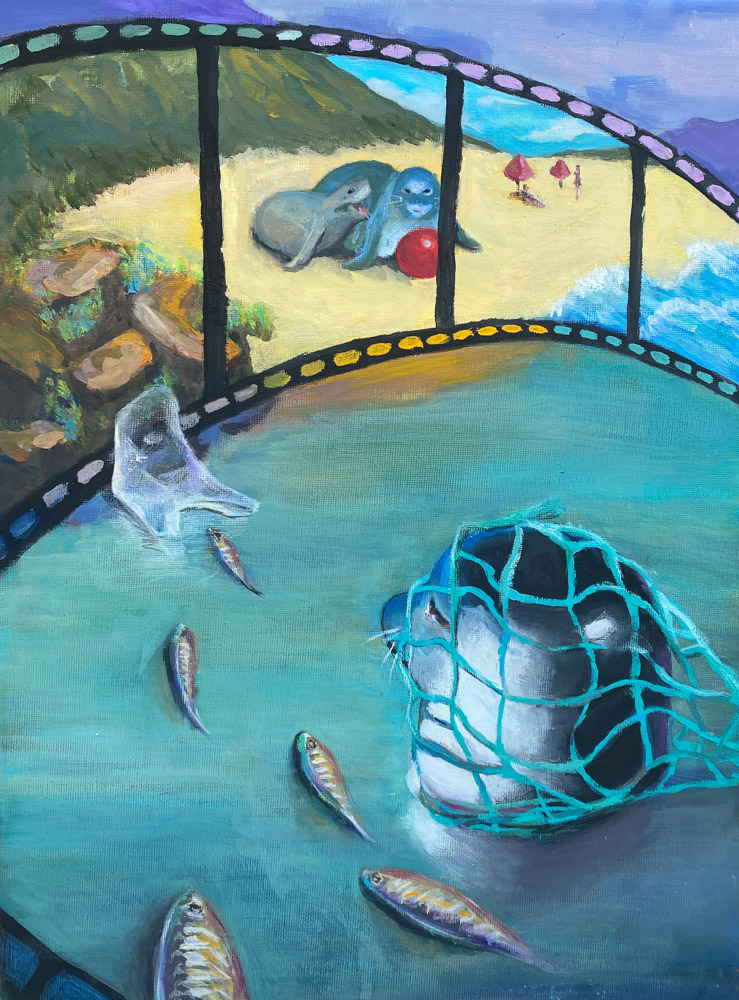
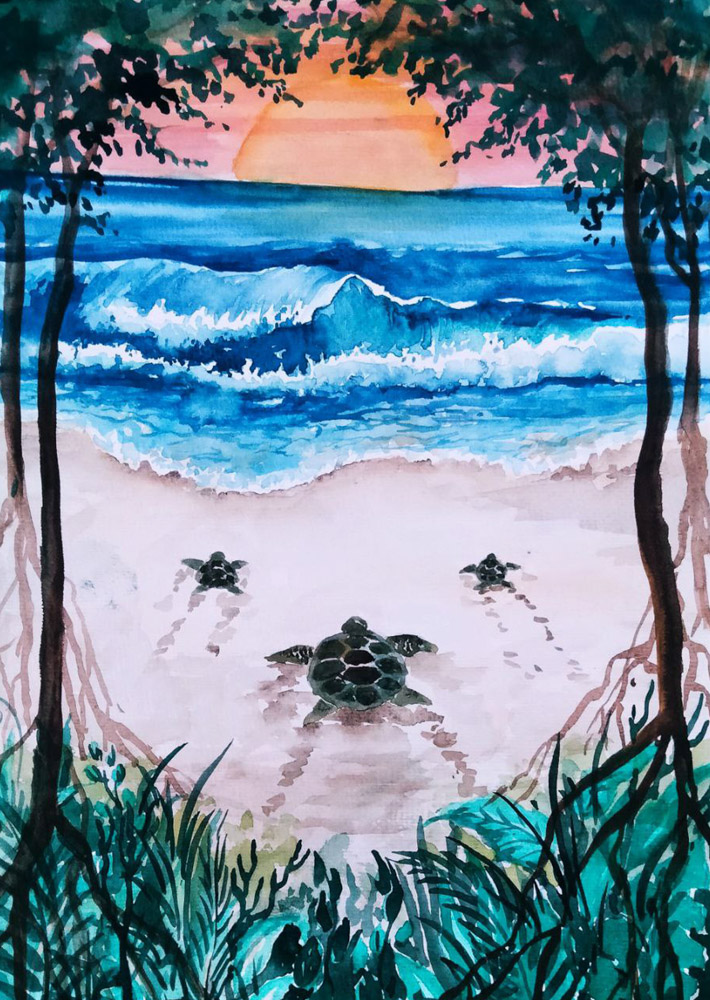
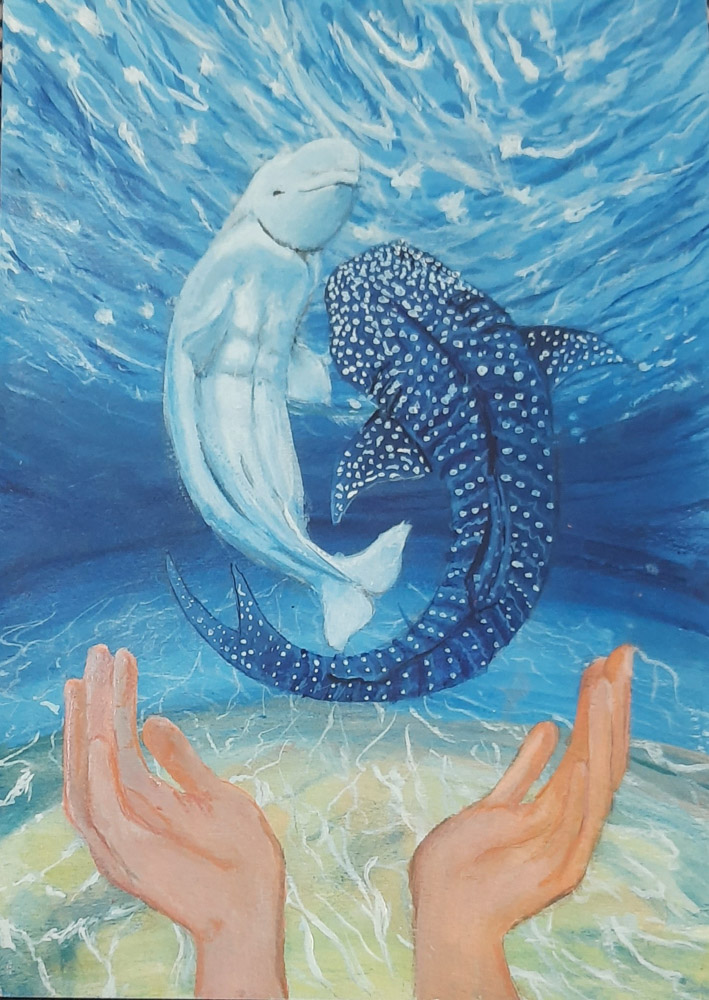
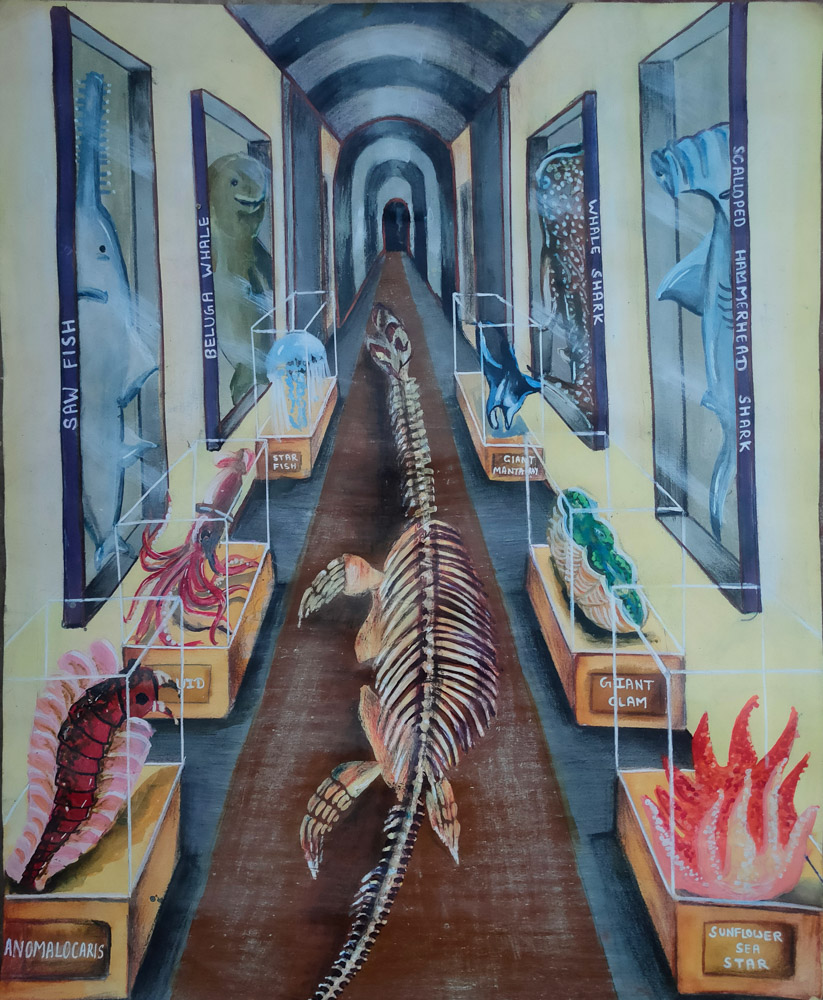
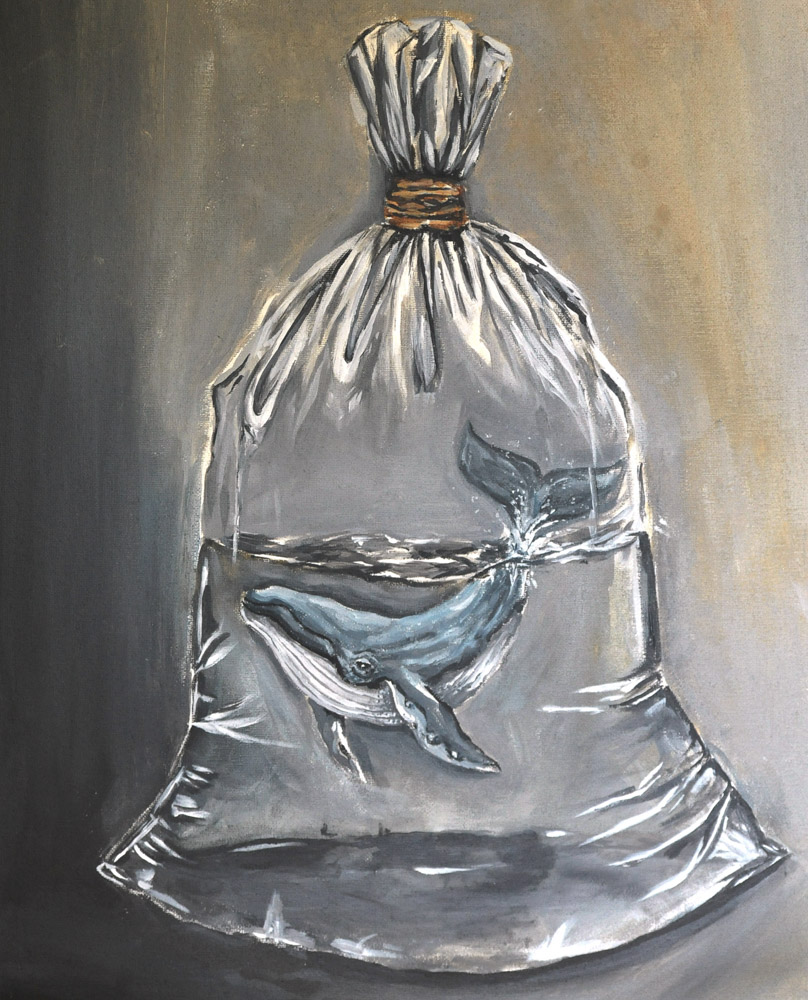
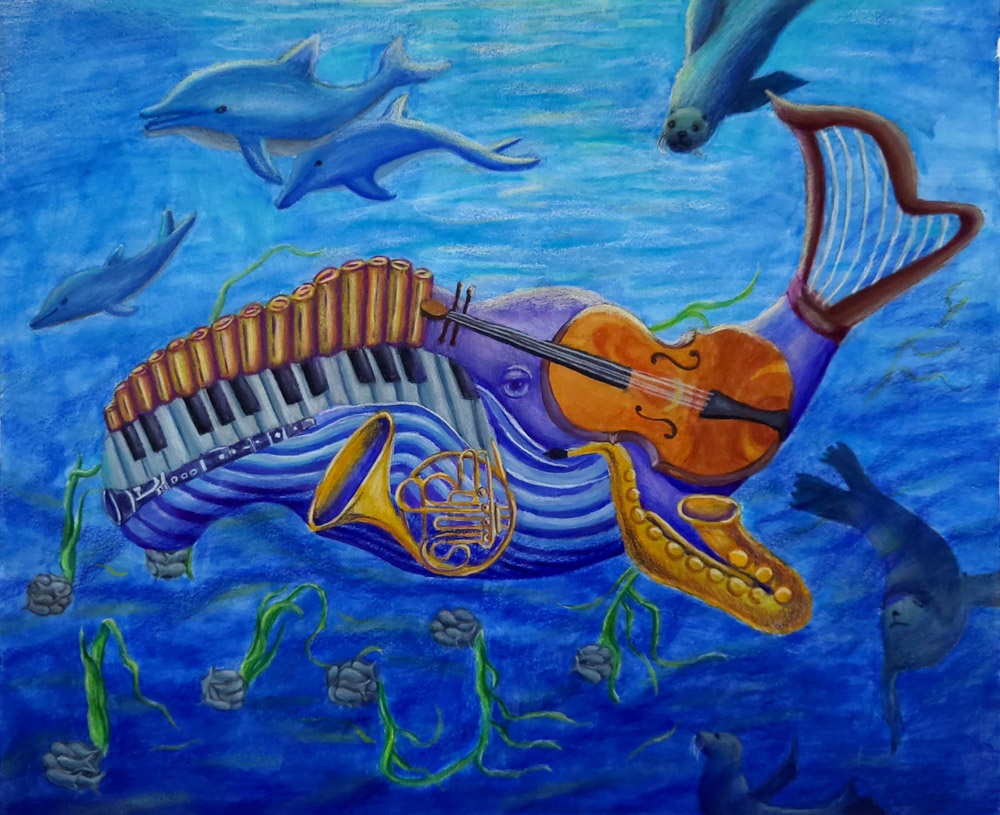
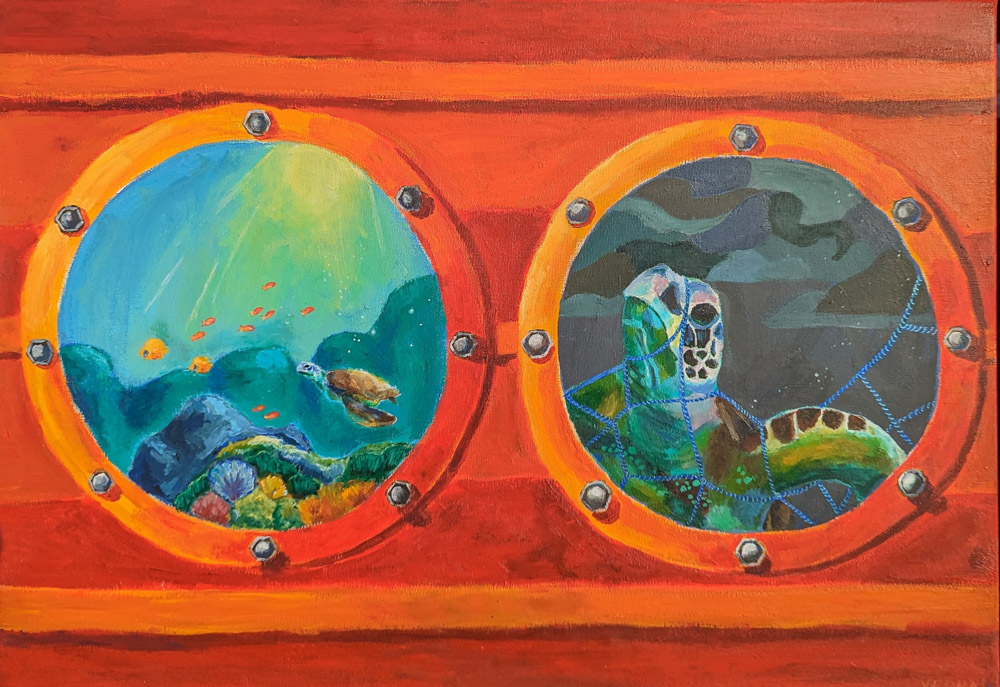
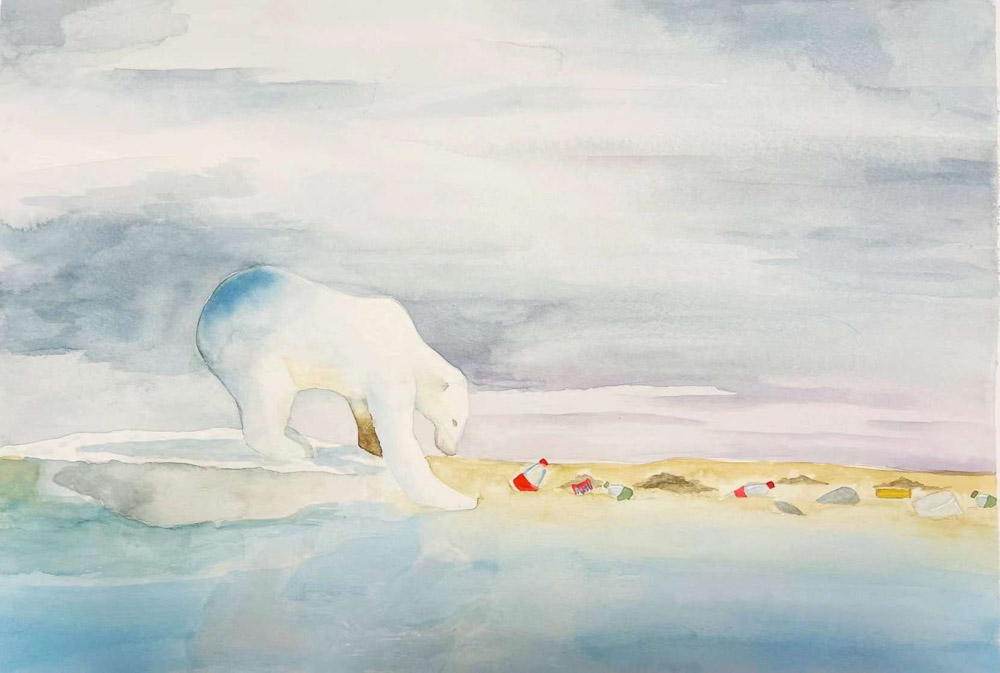
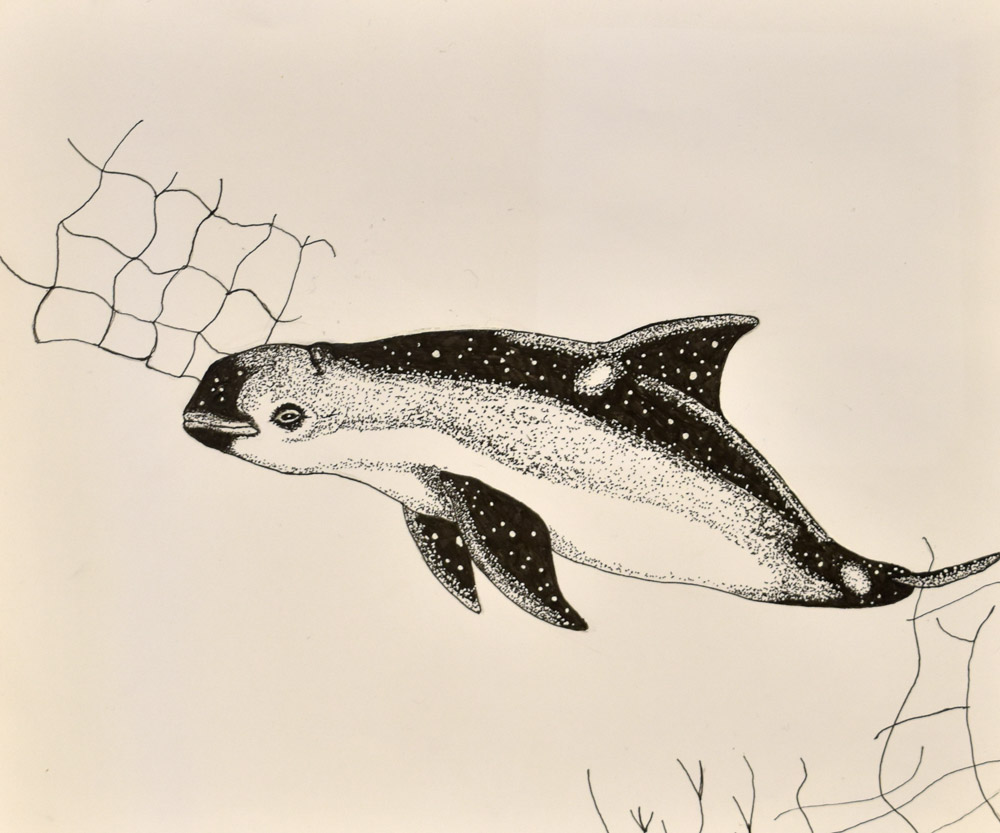
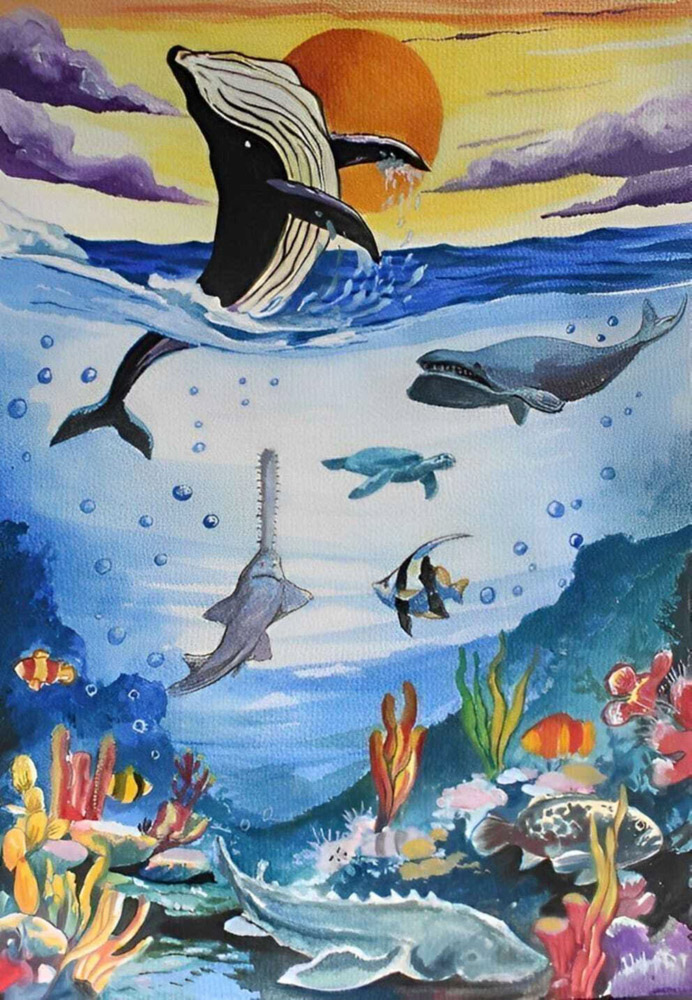
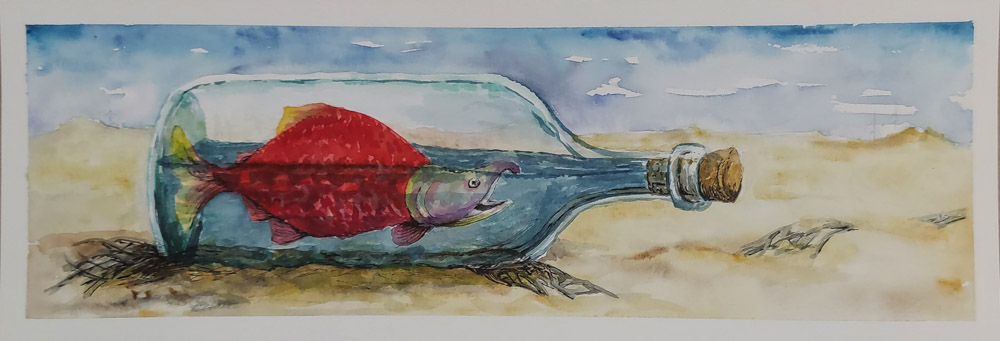
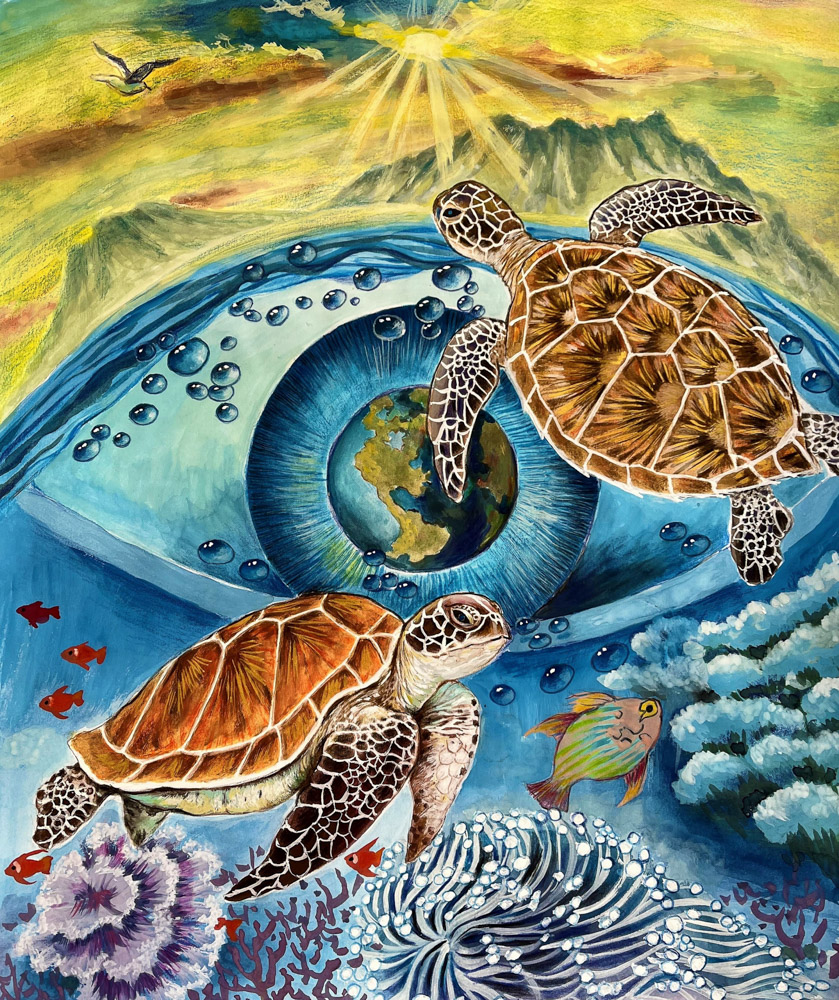
Thank you to everyone who applied to our 2023 Science Without Borders® Challenge! We are captivated and inspired with the artwork that we received for this year’s contest, “The Sixth Extinction.” The students’ artwork drew attention to a wide range of endangered marine species, spanning from majestic marine megafauna, like whales, polar bears, sharks, sea turtles, and sea birds, to smaller fascinating marine organisms like fishes, corals, sea stars, snails, and shrimp. They have done an excellent job of highlighting the importance of these endangered species and have inspired us to take action towards their conservation.

Overall, we received almost 1,200 qualifying pieces of artwork from 66 different countries. This is far and away the most entries we have ever received for the contest! In the 11-14 year-old category, we received almost 650 submissions. The students portrayed marine endangered organism(s) in their artwork in a variety of ways. Some depicted the beauty of their chosen organism(s), while others decided to illustrate the reason(s) for the decline of the marine species. A variety of styles and media were also used to create these incredible pieces of art.

Our judges chose 37 remarkable pieces of artwork in the 11-14 year-old category to become semi-finalists. These young artists span 13 countries around the world. Not only was their artwork impressive, but they also excelled in providing clear explanations in their written descriptions, detailing the reasons why these marine organisms are facing endangerment.

We invite you to meet our 11-14 year-old semi-finalists:

2023 Science Without Borders® Challenge Semi-Finalists: Ages 11-14
 

Related Posts

OceanImageBank_TheOceanAgency_Bleaching_16-scaled-1

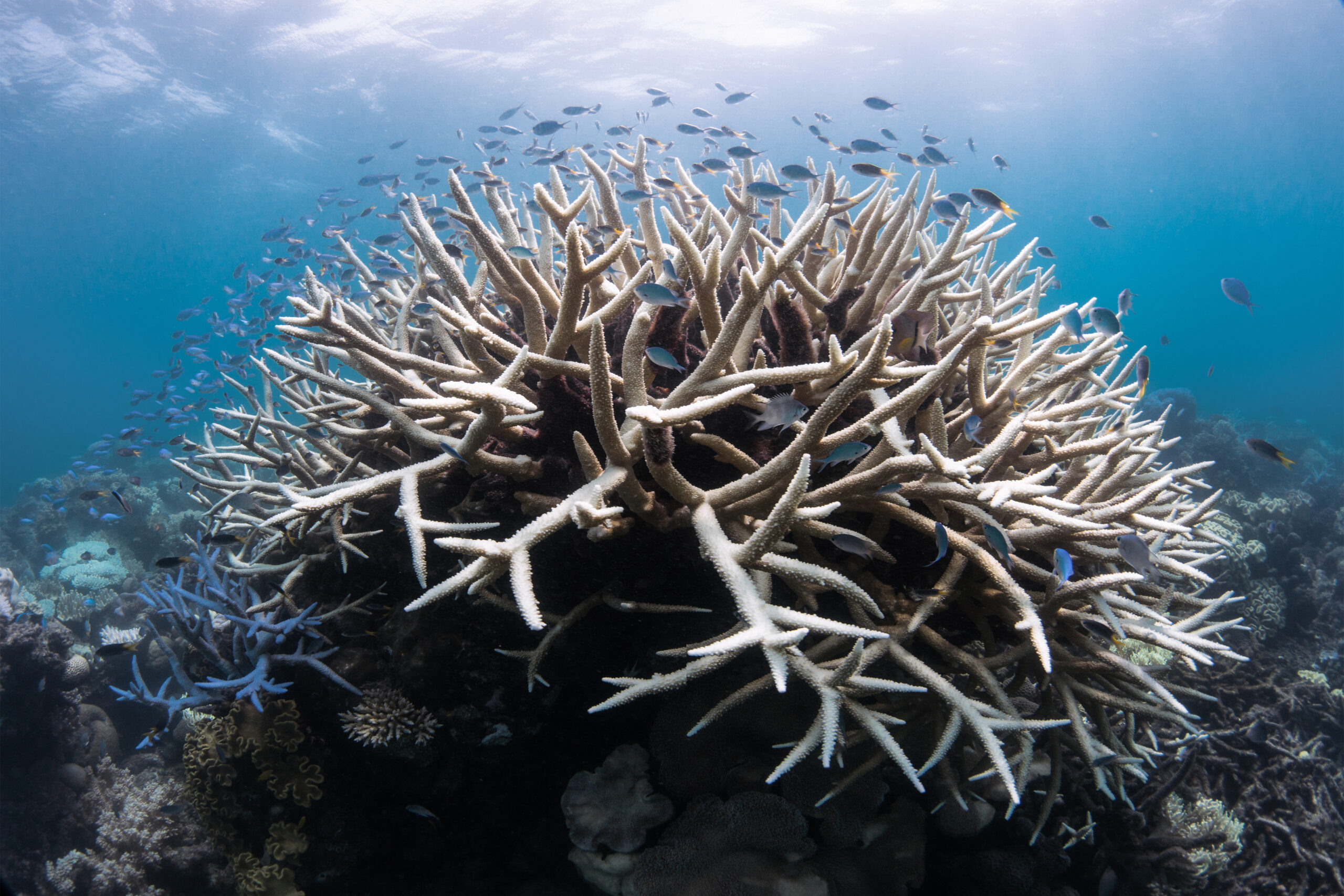
Coral Bleaching Awareness Month: Giving Coral Reefs a Chance to Recover

For hundreds of millions of years, coral reefs have supported life in our oceans. Although they cover less than 1% of the ocean floor, they provide habitat for at least 25% of all marine species. They also support people around the world by sustaining fisheries and tourism, providing food and livelihoods, and helping protect coastlines from waves and storms.

But coral reefs are under increasing pressure. Pollution, overfishing, coastal development, physical damage, and increasingly warm ocean temperatures can all affect reef health. One of the most visible signs that a coral reef is under stress is coral bleaching.

This September, in recognition of Coral Bleaching Awareness Month, we’re taking a closer look at what happens when corals bleach, why bleaching matters, and what scientists around the world are doing to better understand, protect, and restore coral reefs.

Read More

Everything You Need to Know About the 2027 Science Without Borders® Challenge

Are you ready to combine your creativity with ocean science?

The 15th Annual Science Without Borders® Challenge is now open! Whether you’re participating for the first time or returning for another year, this guide will help you get started.

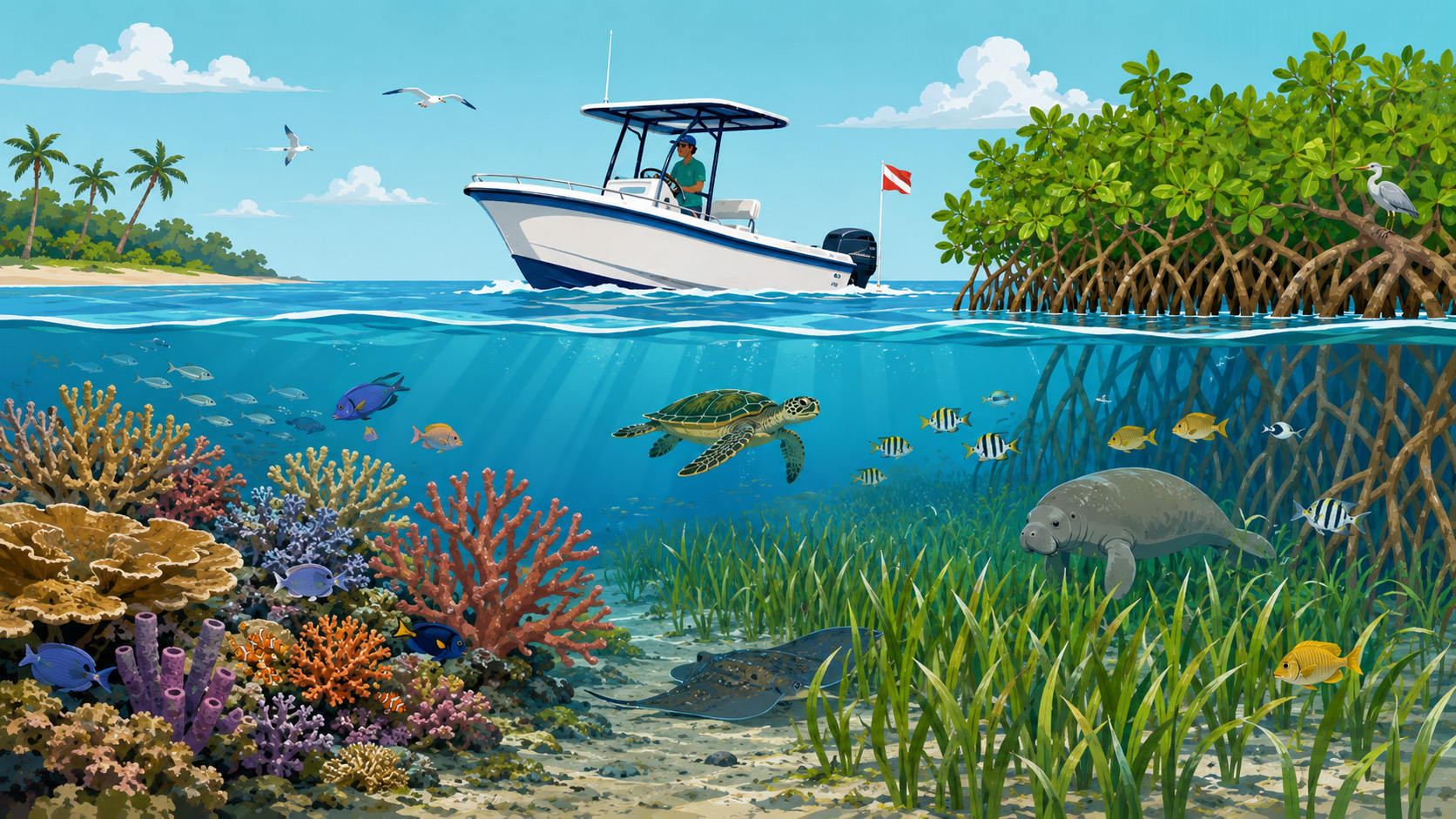
This year’s theme, Navigate With Care, invites students to explore how responsible navigation helps protect both people and life in the ocean. Through your artwork, you can compete for scholarships and international recognition while inspiring others to protect both people and life in the ocean.

Read More
Privacy Overview

This website uses cookies so that we can provide you with the best user experience possible. Cookie information is stored in your browser and performs functions such as recognising you when you return to our website and helping our team to understand which sections of the website you find most interesting and useful.  You can view our complete Privacy Policy here.

Strictly Necessary Cookies

Most of our cookies are used to improve website security and reduce spam. These cookies should be enabled at all times. They also enable us to save your preferences for cookie settings.

3rd Party Cookies

This website uses Google Analytics to collect anonymous information such as the number of visitors to the site, and the most popular pages. Keeping this cookie enabled helps us to improve our website.