
search-icon
Back in Tonga
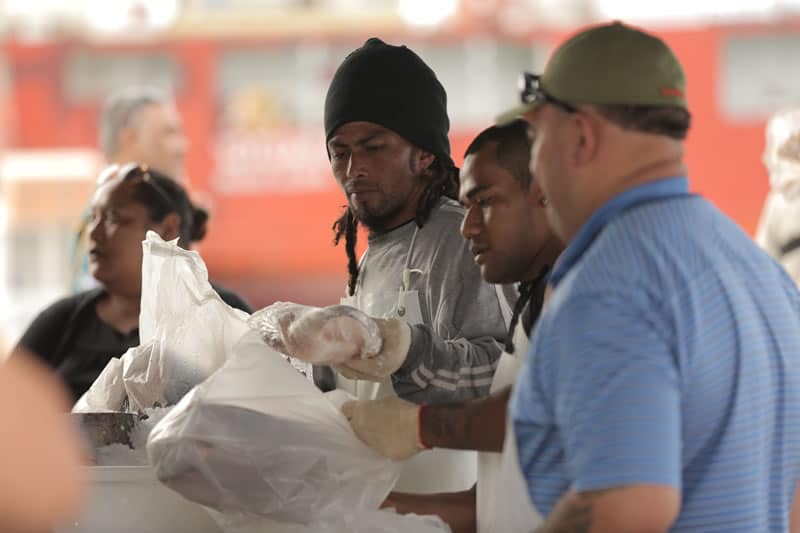
Tonga fisherman selling their catch in Vava'u.
Tonga fisherman selling their catch in Vava’u.

We are thrilled to send you this update! We’ve been pretty quiet over the last few months as we’ve been hunkered down crunching data from previous research expeditions. However, we’re in the field now and ready to send blogs and photos about our ongoing coral reef research.

We are back in Tonga. We were last here fairly recently in Fall 2013 when our Global Reef Expedition team conducted research around the Ha’apai island group, Vava’u and Niuatoputapu. Then, we recorded detailed information about coral reefs and fish around the islands. (Find out about our work in Tonga last year.)

Now we are following up on that work and doing land-based research that is focused on three main goals.   One of the components of this follow-up work is to try and better understand how the coral reef resources we surveyed last year are being used by the people of Tonga.
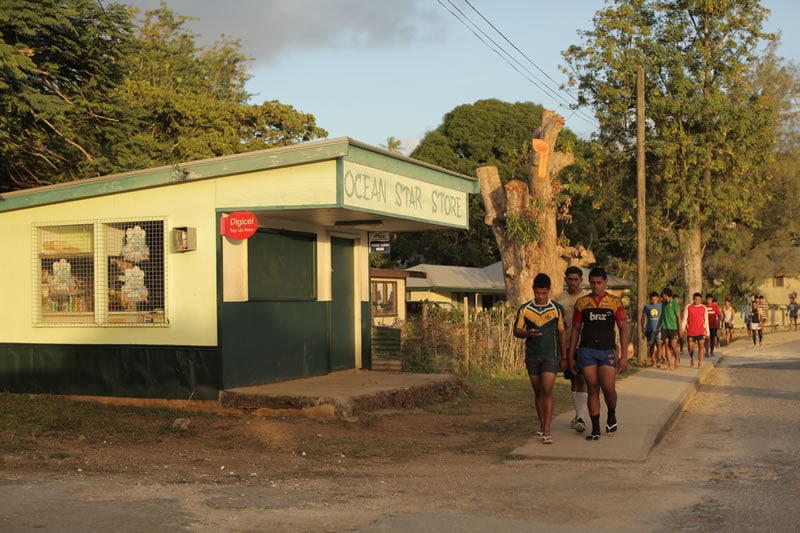
Rugby players make their way home after practice in Vava'u, Tonga.
Rugby players make their way home after practice in Vava’u, Tonga.

In order to do this, the Foundation will travel to different fishing communities within the Vava’u island group to speak with fishers and pass out a survey. We’ll be working with Hoifua ‘Aholahi and Sione Mailau as we travel around the fishing villages. The survey will ask questions about how people make different decisions about fishing, get information on the different types of fishing gear and bait that people use, the species they catch, the boats that people fish from, and how people decide where to fish. The purpose of the survey is to gain an understanding of the fishing practices and habitats of the fishers of Tonga.

The second goal of the mission is an education and outreach goal. For this, we’ll be teaming up with ‘Apai Moala and visiting primary and secondary schools throughout the main Vava’u Island.  As well as giving a special presentation about coral reefs and their conservation to students, we’ll be meeting with teachers to find out how we can better support coral reef and ocean conservation education in the future. Conducting this kind of needs assessment will allow us to return with a tailor made set of materials that will greatly boost coral education on these remote islands.
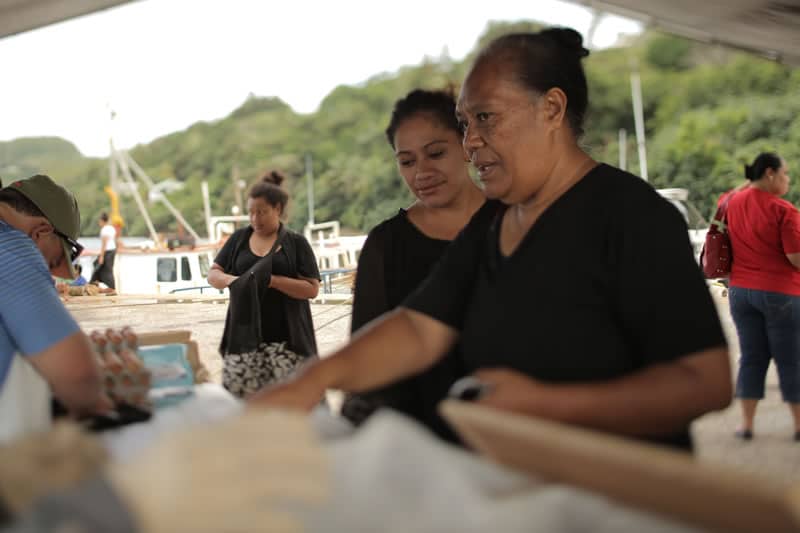
Silika Ngahe, the officer in charge of fisheries for Vava'u.
Silika Ngahe, the officer in charge of fisheries for Vava’u.

The third goal of our return to Tonga is to start work on a documentary. The Foundation routinely uses film as a way to communicate complex science as part of our education curriculum, and also as part of our greater scientific and conservation outreach. We’ll be working with Silika Ngahe from the Vava’u fisheries office to help us see the many ways people rely on the reef.

Photos by James Ball.
 
Note: We have now returned from Tonga and are sending out blogs in arrears.
Related Posts

Meet IFAN: Helping Bring Navigate with Care to the Next Generation

If you’ve ever seen a lighthouse flashing from the shore or a brightly colored buoy bobbing in the water, you’ve seen Aids to Navigation at work.

Aids to Navigation, often called AtoNs, help mariners navigate safely. They can mark channels, warn of hazards, help vessels determine their position, and provide other information people need to make safe decisions on the water. Around the world, these systems help guide everything from small recreational boats to large commercial or container ships. 

But safe navigation isn’t only about protecting vessels and the people aboard them. The choices mariners make can also affect the animals and ecosystems beneath and around them.

That connection between maritime safety and ocean conservation is at the heart of this year’s Science Without Borders® Challenge—and of our partnership with this year’s theme sponsor, the International Foundation for Aids to Navigation (IFAN).

Read More
OceanImageBank_TheOceanAgency_Bleaching_16-scaled-1

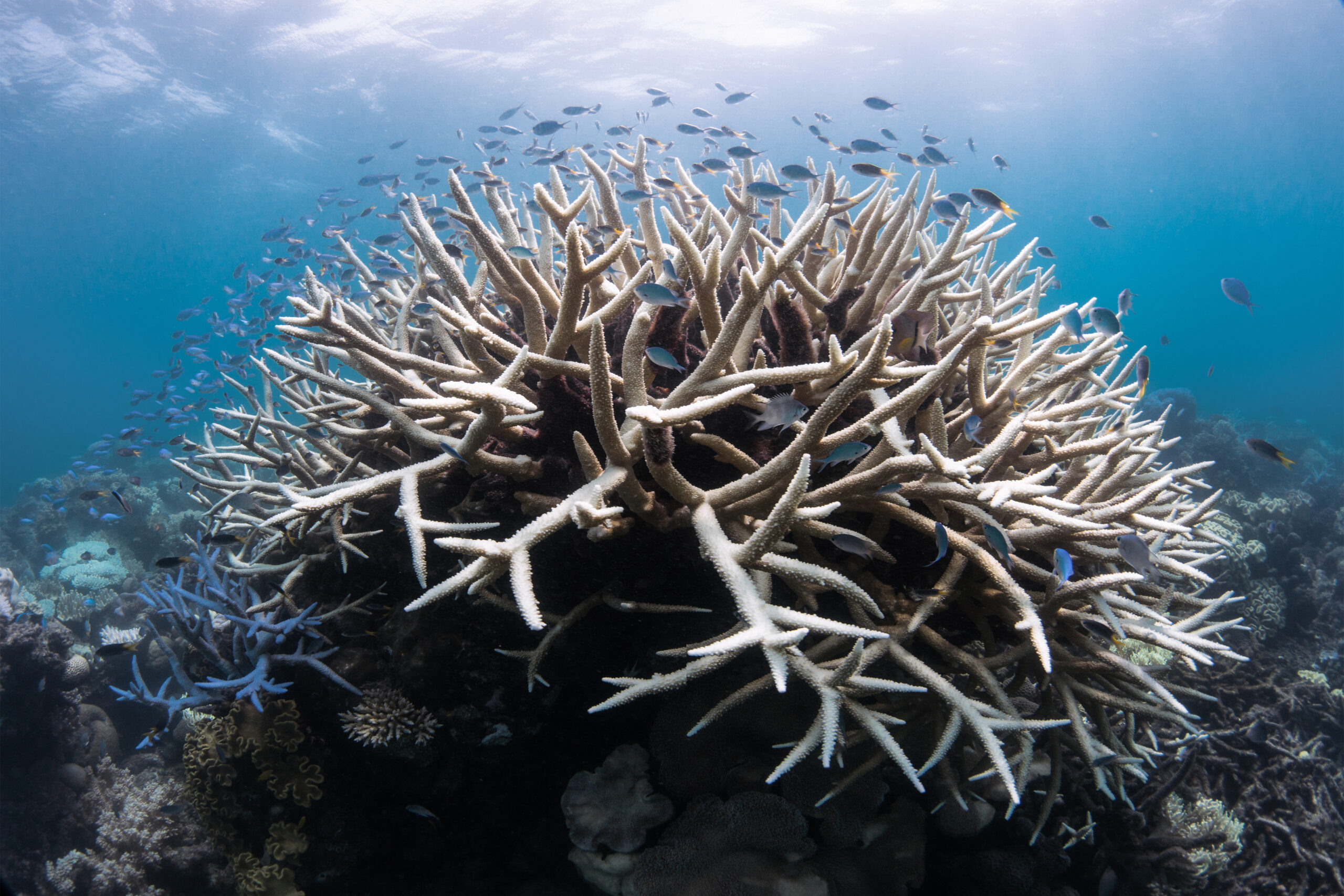
Coral Bleaching Awareness Month: Giving Coral Reefs a Chance to Recover

For hundreds of millions of years, coral reefs have supported life in our oceans. Although they cover less than 1% of the ocean floor, they provide habitat for at least 25% of all marine species. They also support people around the world by sustaining fisheries and tourism, providing food and livelihoods, and helping protect coastlines from waves and storms.

But coral reefs are under increasing pressure. Pollution, overfishing, coastal development, physical damage, and increasingly warm ocean temperatures can all affect reef health. One of the most visible signs that a coral reef is under stress is coral bleaching.

This September, in recognition of Coral Bleaching Awareness Month, we’re taking a closer look at what happens when corals bleach, why bleaching matters, and what scientists around the world are doing to better understand, protect, and restore coral reefs.

Read More
Privacy Overview

This website uses cookies so that we can provide you with the best user experience possible. Cookie information is stored in your browser and performs functions such as recognising you when you return to our website and helping our team to understand which sections of the website you find most interesting and useful.  You can view our complete Privacy Policy here.

Strictly Necessary Cookies

Most of our cookies are used to improve website security and reduce spam. These cookies should be enabled at all times. They also enable us to save your preferences for cookie settings.

3rd Party Cookies

This website uses Google Analytics to collect anonymous information such as the number of visitors to the site, and the most popular pages. Keeping this cookie enabled helps us to improve our website.