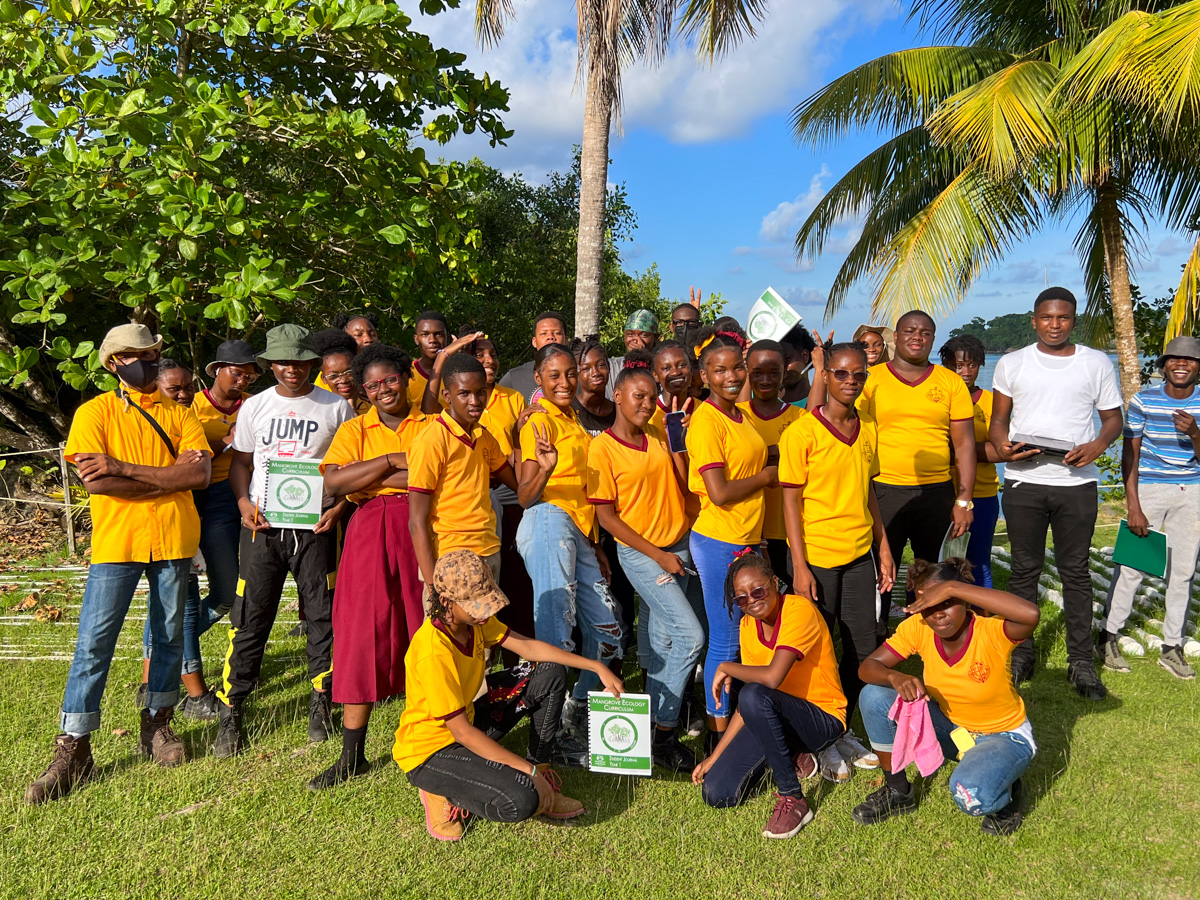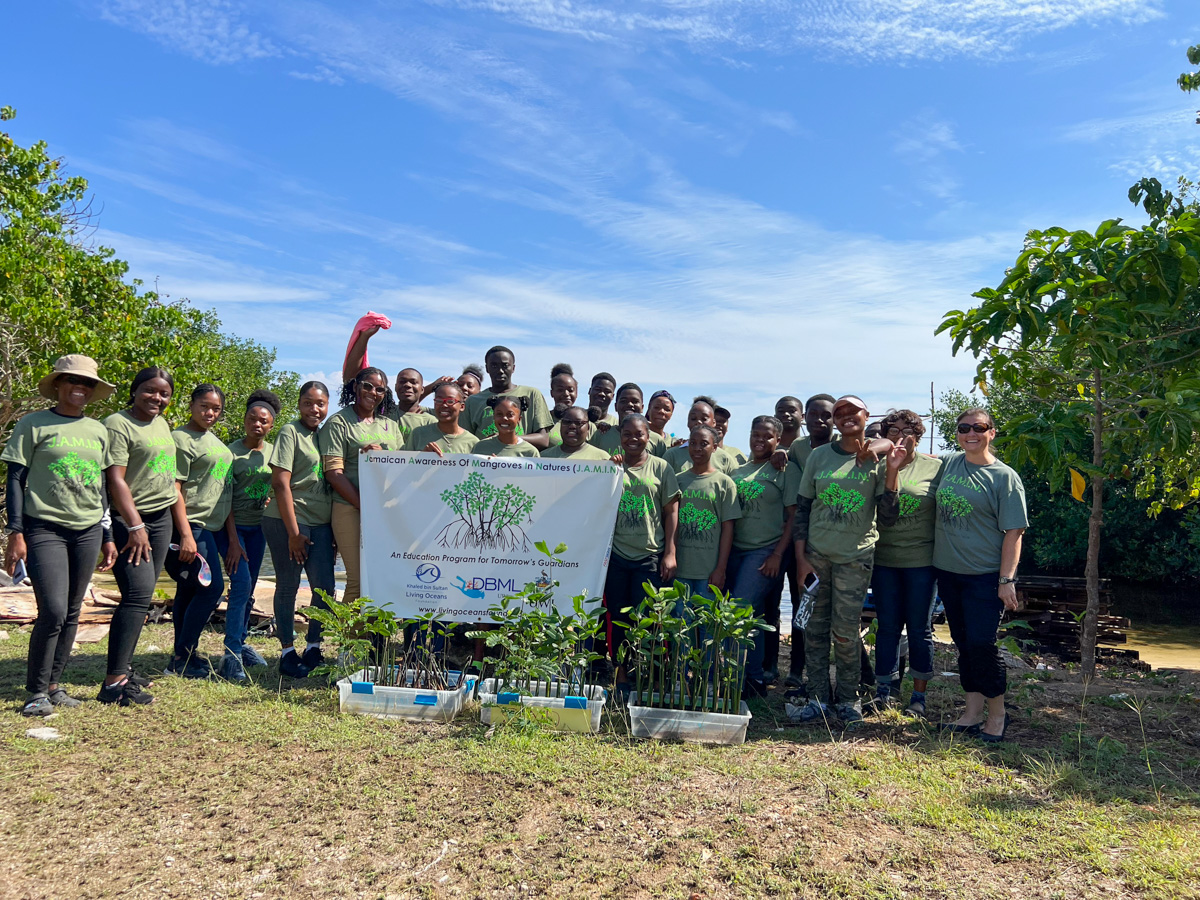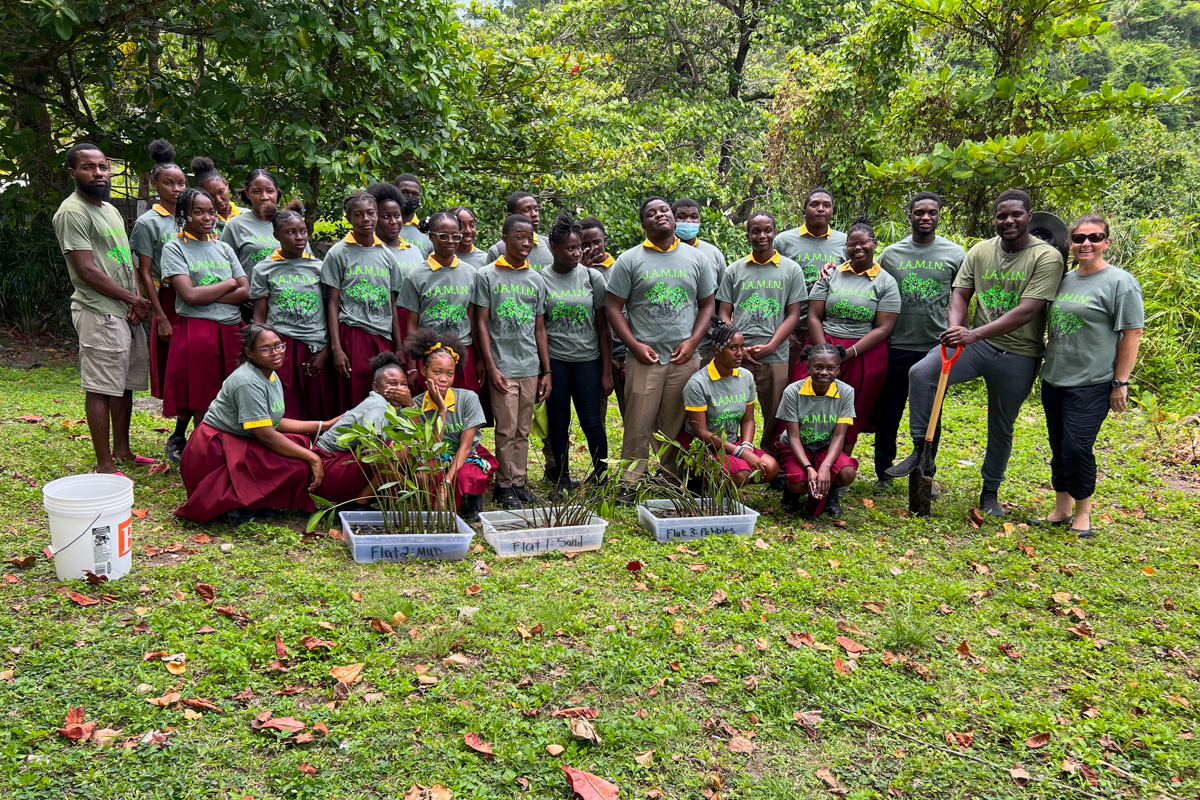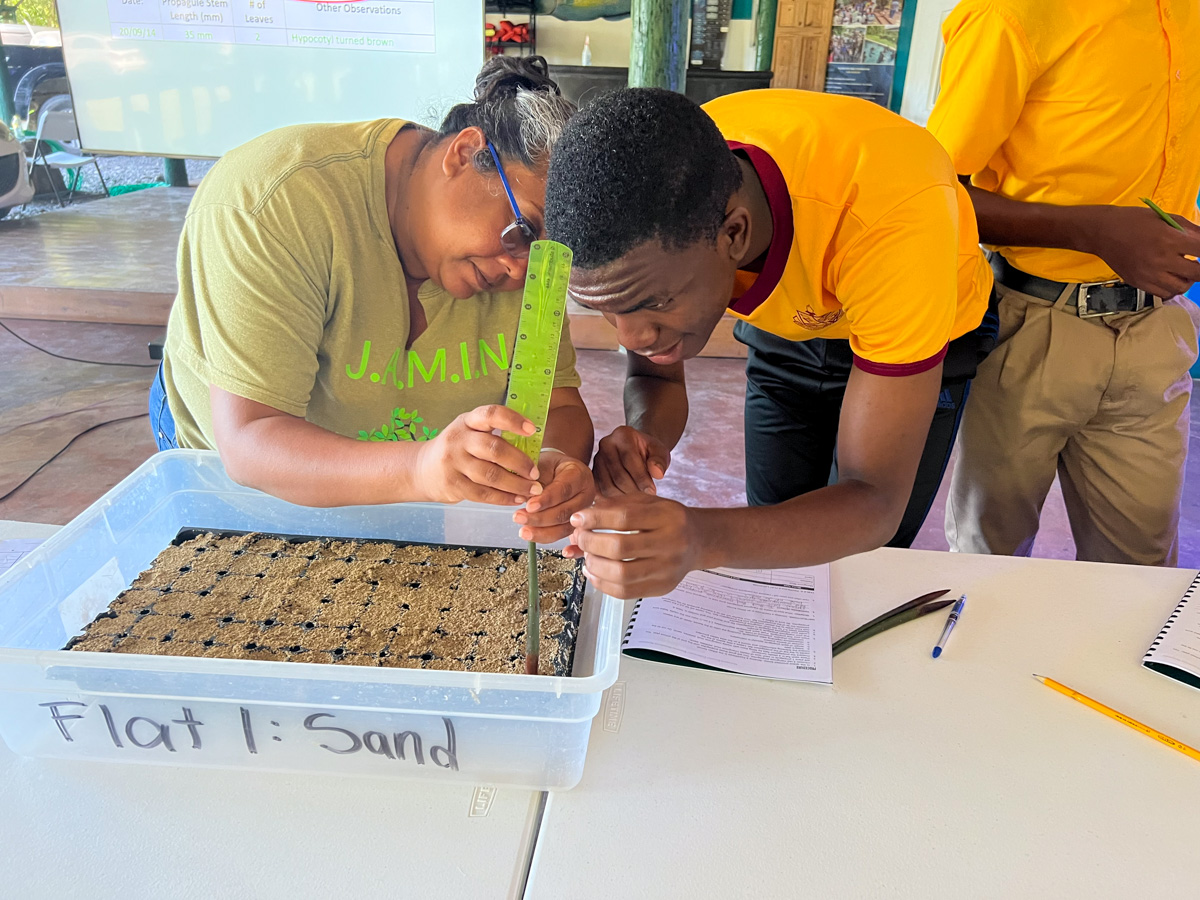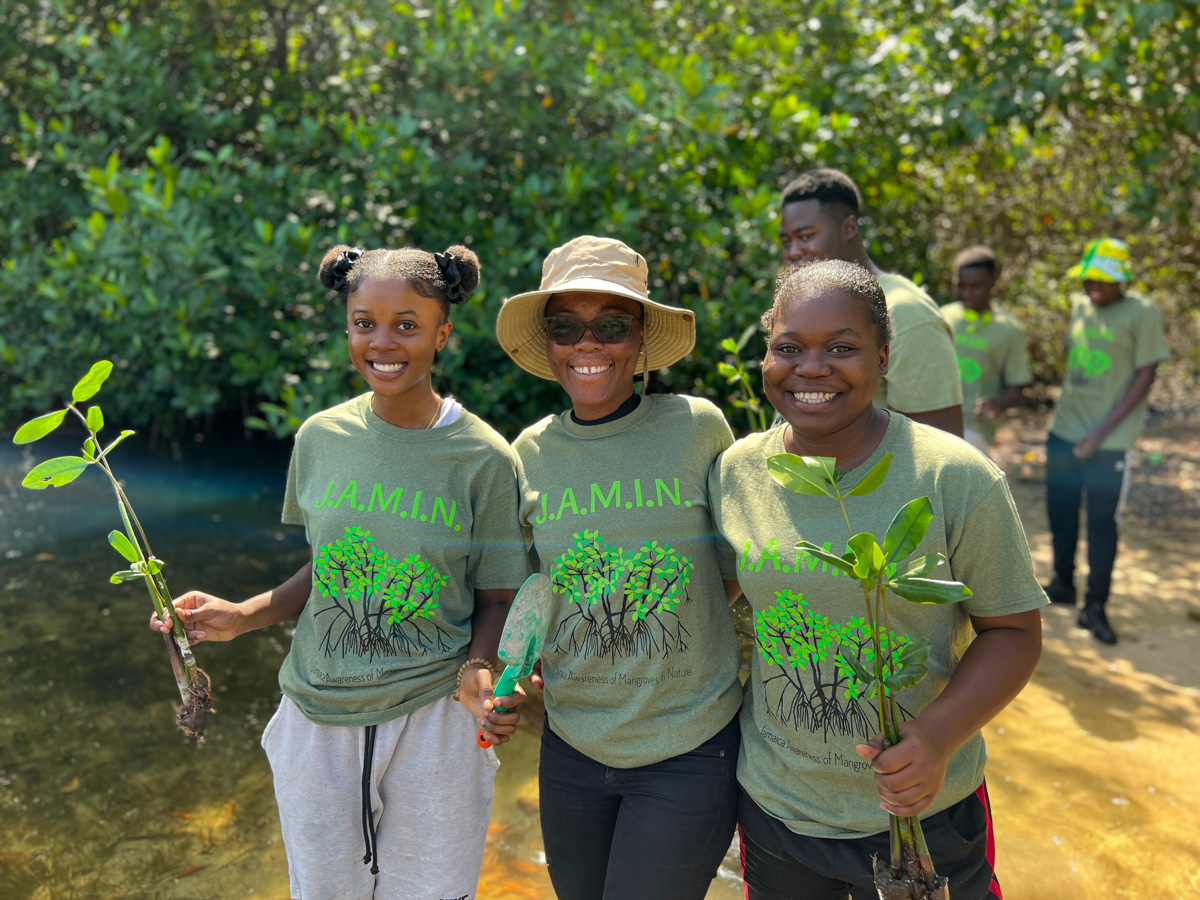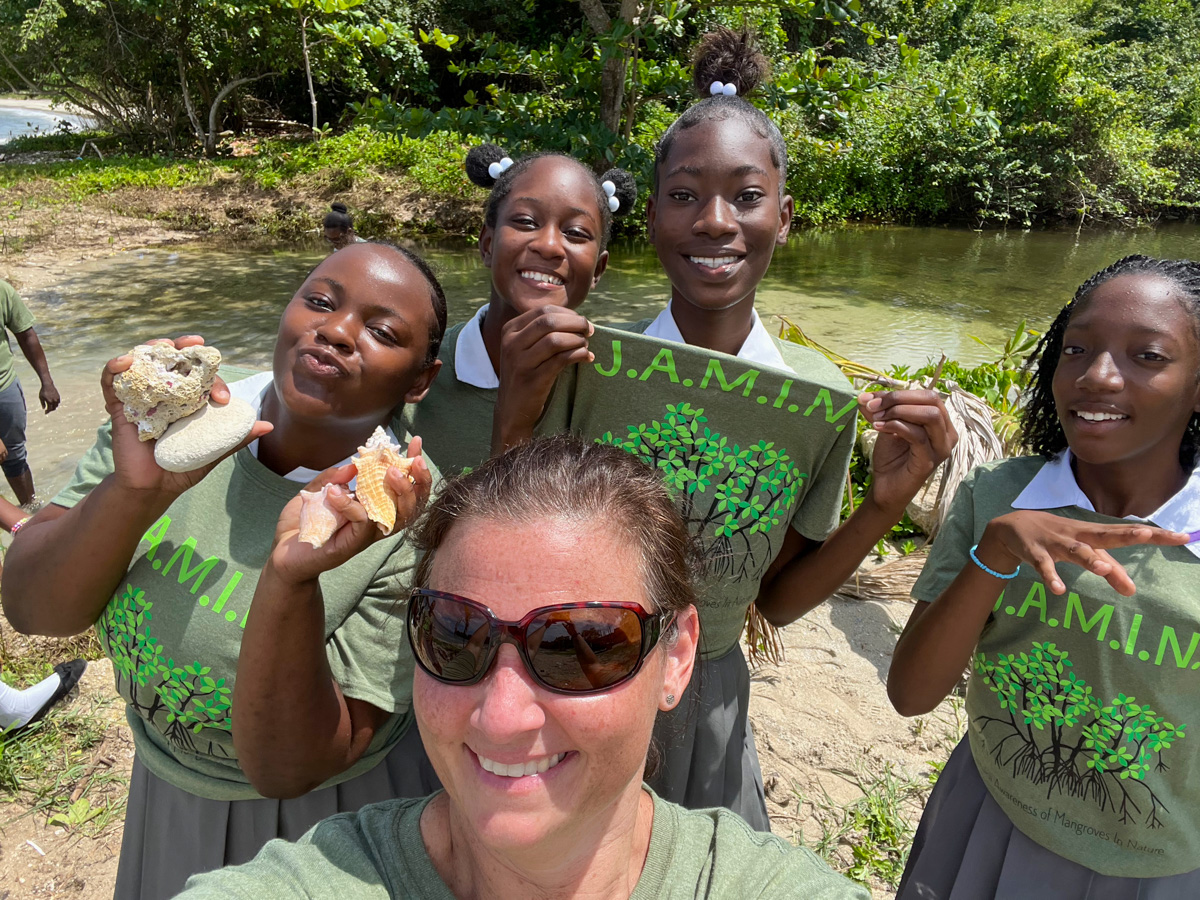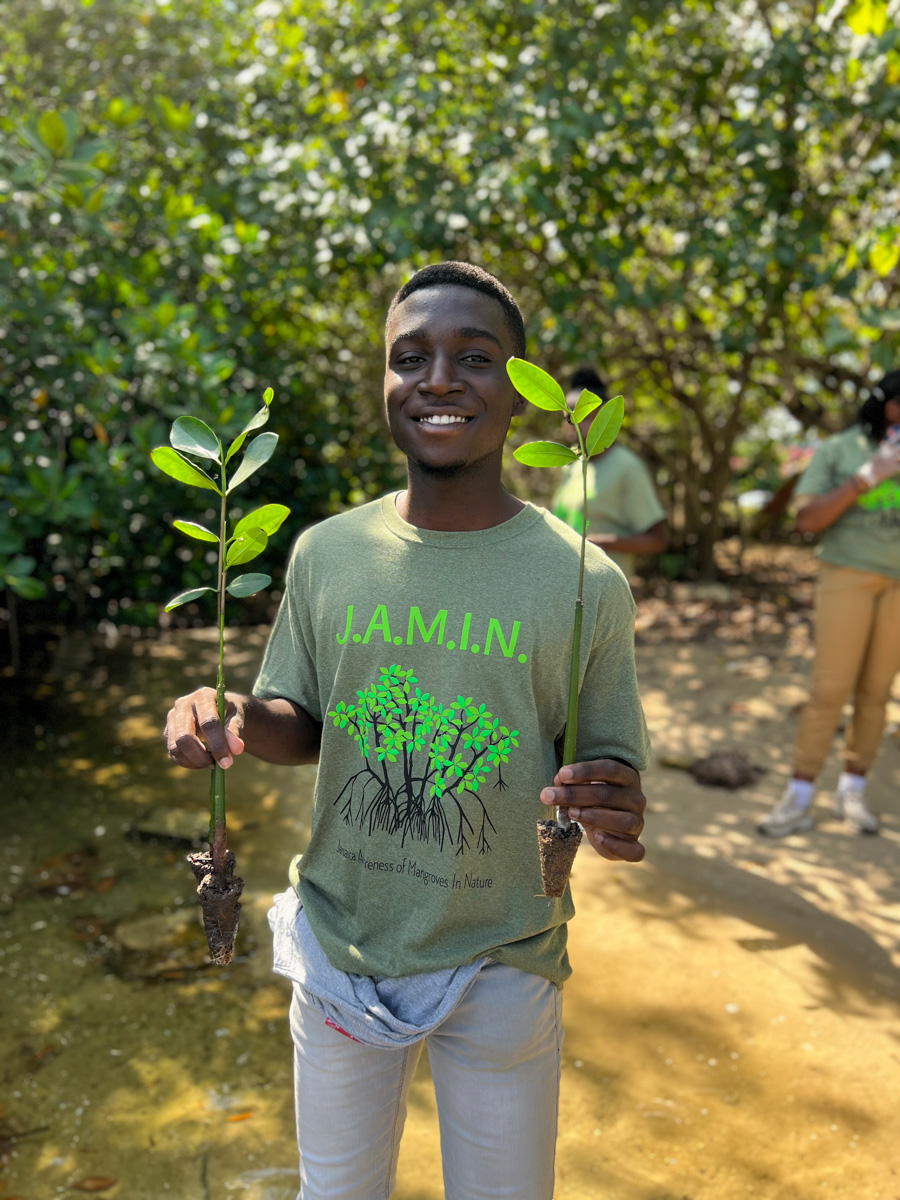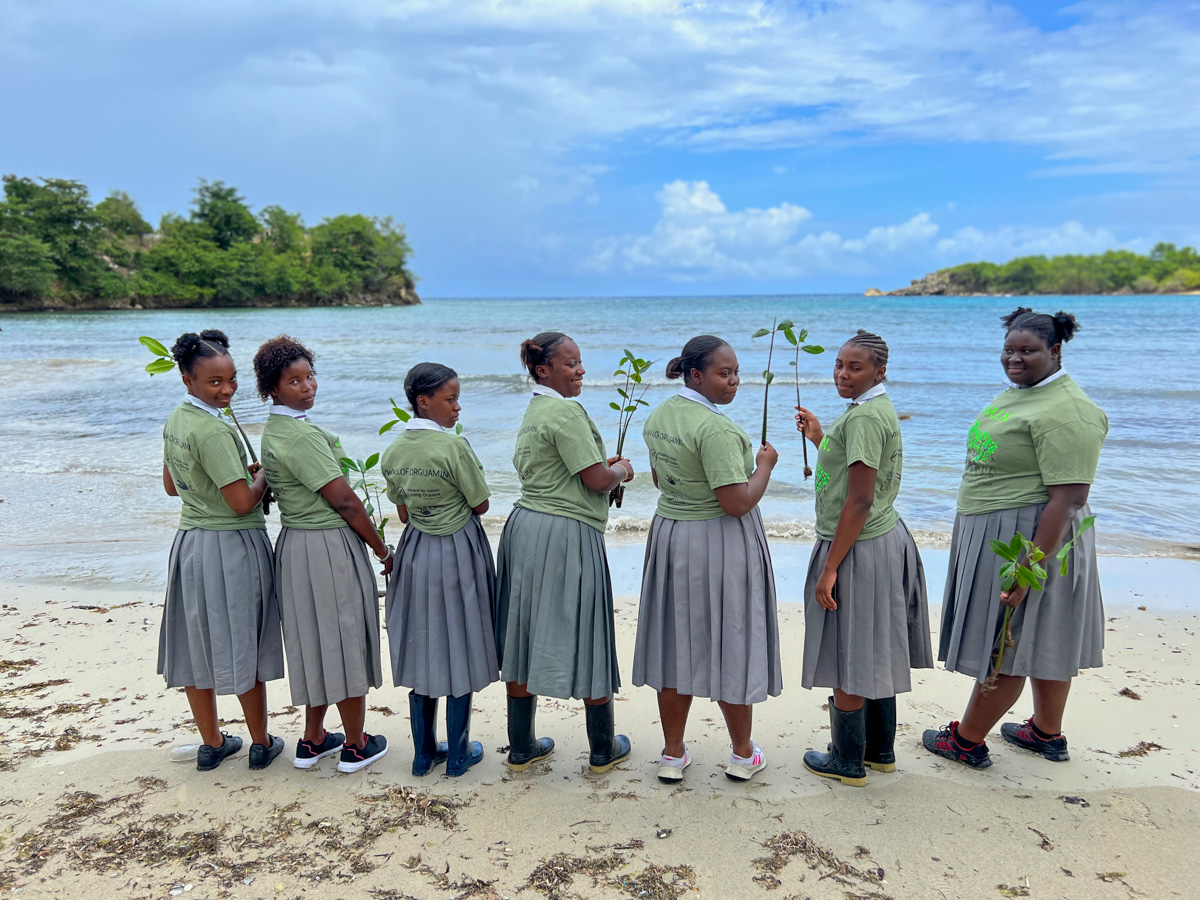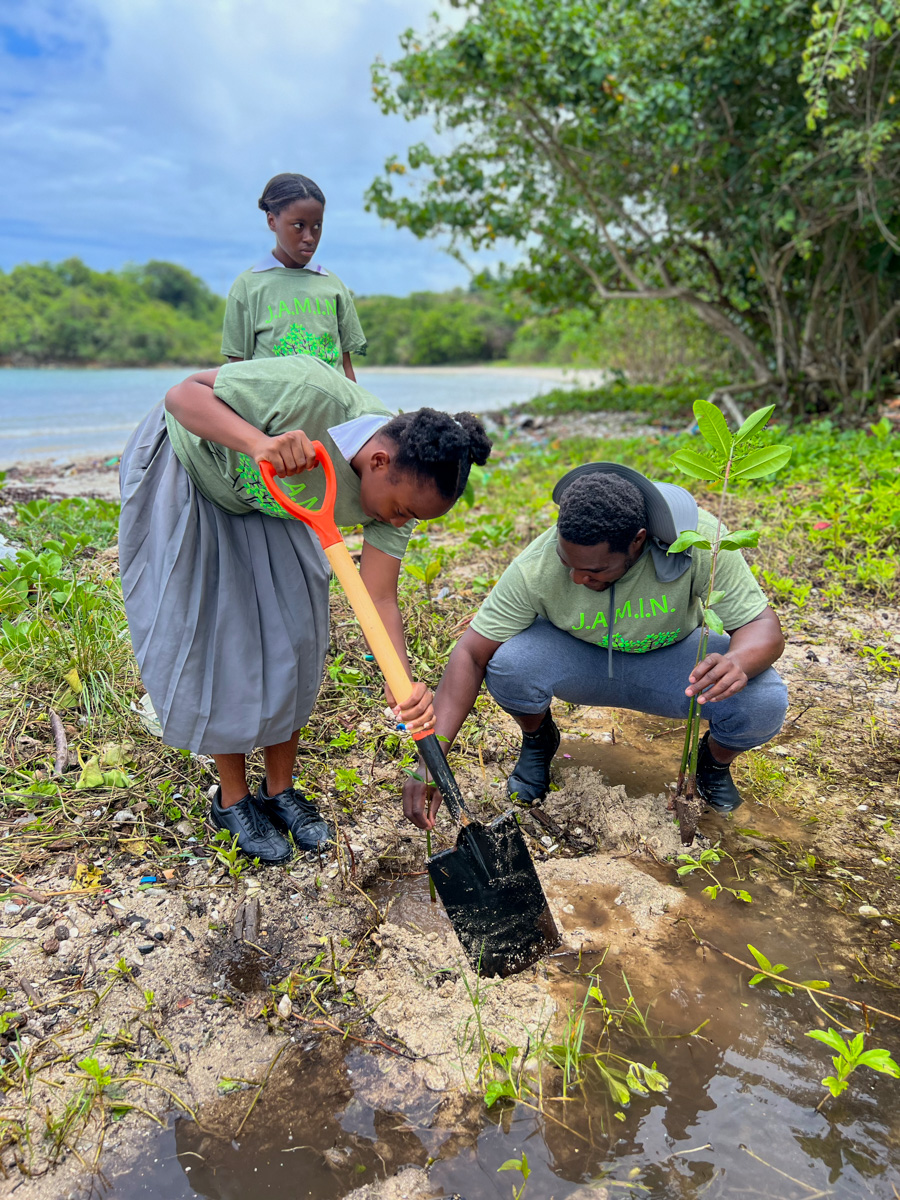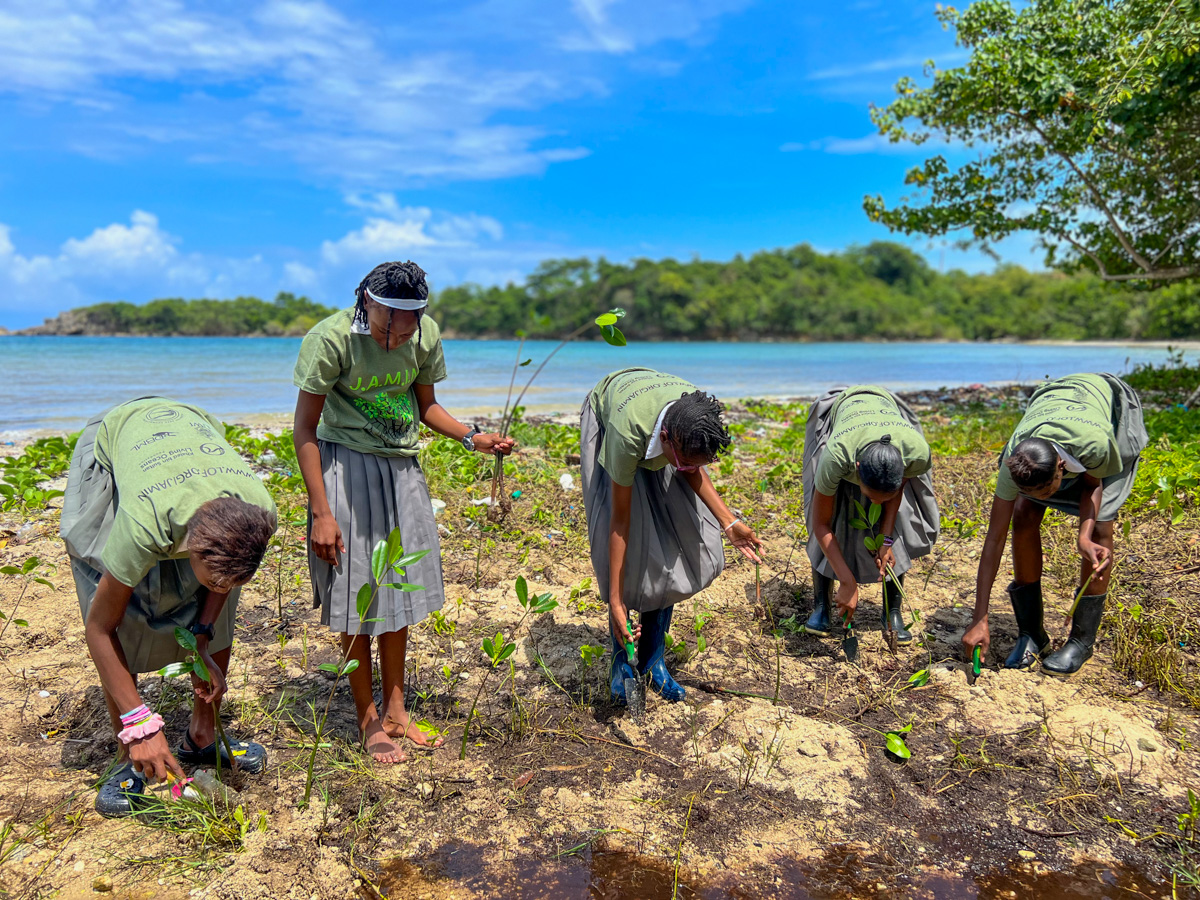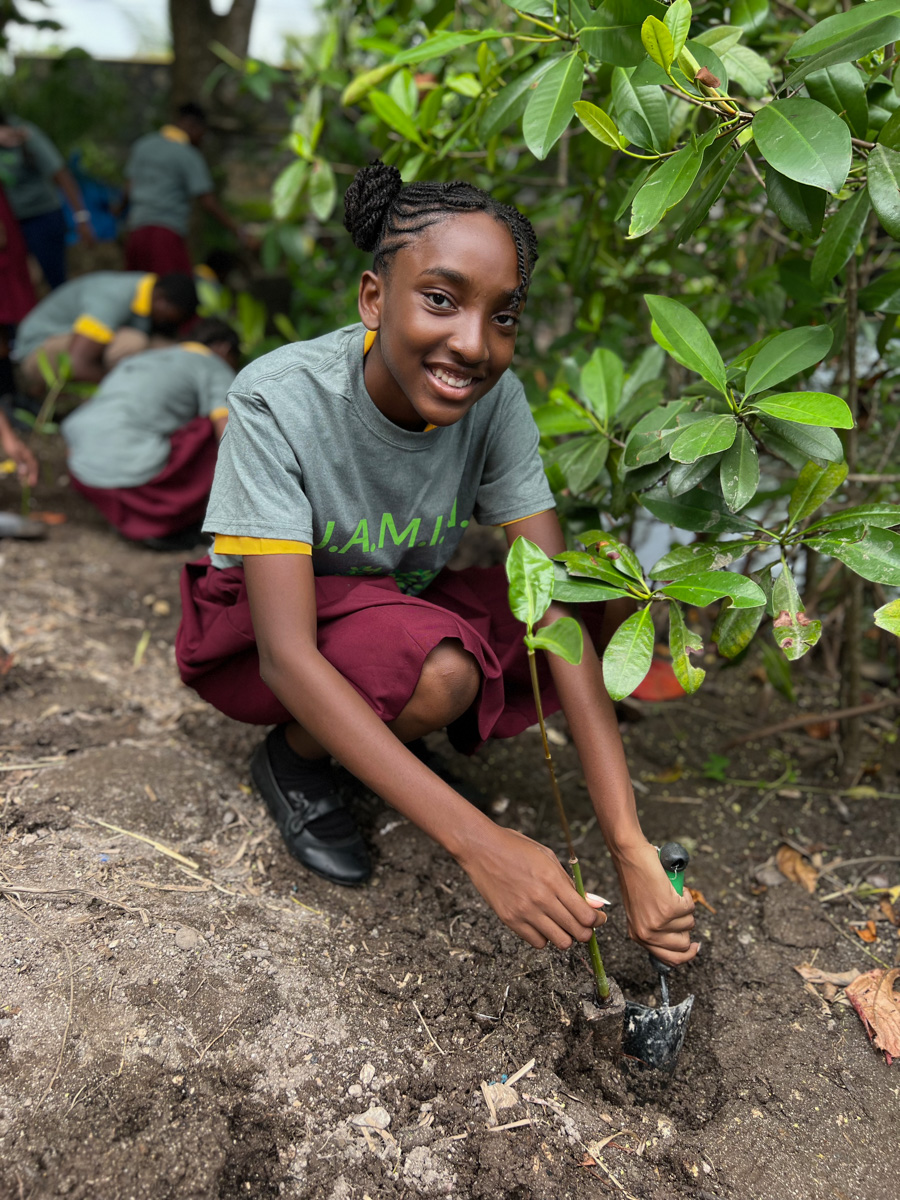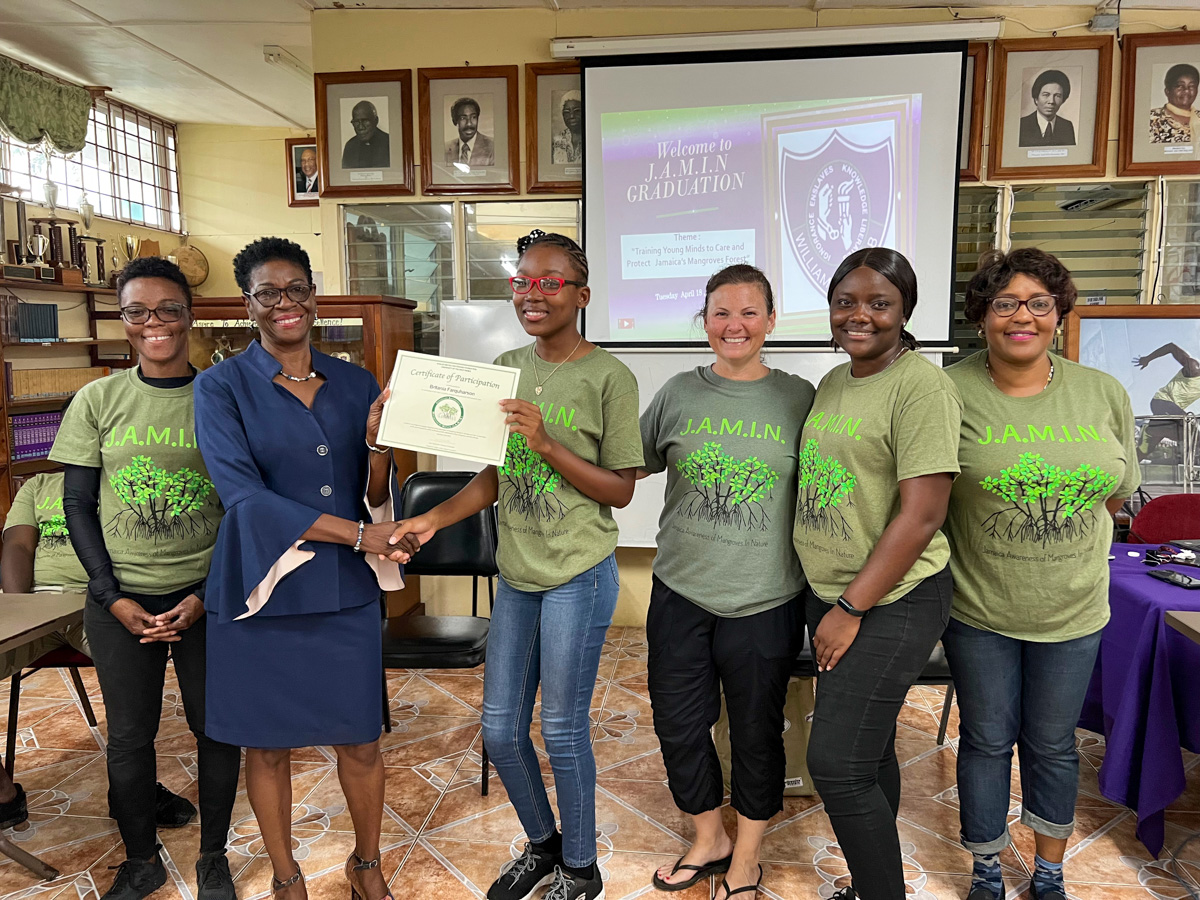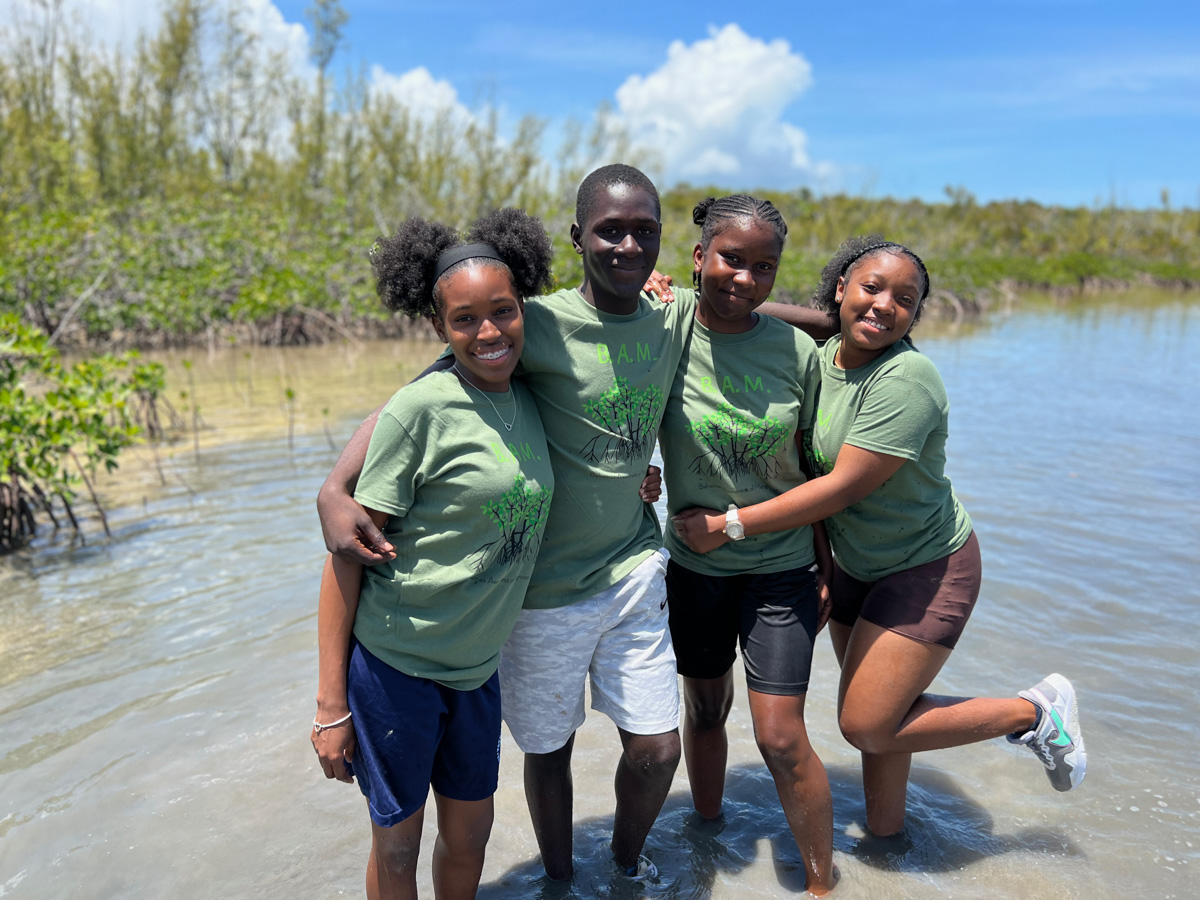
As the academic year comes to a close, we celebrate all the graduates out there. This year, I’m particularly filled with pride and excitement as I celebrate the achievements of my students in the Bahamas Awareness of Mangroves (B.A.M.) and Jamaica Awareness of Mangroves in Nature (J.A.M.I.N.) programs, who have successfully completed their first year. While this milestone might not have carried the same weight in previous years, it holds a unique significance for me because it marks the first cohort of students to navigate our programs after pausing the programs due to the COVID-19 pandemic.
The B.A.M. and J.A.M.I.N. programs were created with the goal of nurturing environmental awareness and conservation among young minds. By immersing students in the world of mangroves—an ecologically significant and biologically diverse ecosystem—we aimed to instill a sense of stewardship for these invaluable habitats.
However, the pandemic presented numerous obstacles, particularly in the realm of education and the transition to online learning. Students around the world experienced disruptions to their routines and had to adapt to a new virtual classroom environment. While educators made tremendous efforts to provide remote learning opportunities, certain subjects, like environmental education, posed unique challenges that couldn’t be fully addressed through virtual means.
One of the most significant losses for students during this time was the absence of outdoor activities, particularly those related to environmental education. The immersive experience of being in nature, exploring diverse ecosystems, and witnessing the wonders of the natural world is an integral part of environmental education. It is during these outdoor activities that students have the opportunity to engage with their surroundings, observe the interconnectedness of living organisms, and develop a deep appreciation for the environment.
Unfortunately, due to the restrictions and safety measures imposed by the pandemic, students had limited access to these invaluable outdoor experiences. Field trips, nature walks, and hands-on experiments in the field were put on hold, creating a void in their educational journey. While teachers did their best to provide virtual alternatives, such as virtual nature tours or online simulations, it couldn’t fully replicate the authentic experience of physically being present in nature.
The absence of these outdoor activities not only impacted the students’ learning but also hindered the development of their environmental stewardship. Experiencing nature firsthand allows students to establish a personal connection with the environment, nurturing a sense of responsibility and a desire to protect it. Through these direct interactions, students develop a profound understanding of the fragility and importance of our ecosystems, motivating them to become advocates for environmental conservation.
In celebrating the achievements of our B.A.M. and J.A.M.I.N. graduates, it is vital to recognize the importance of reinstating hands-on, experiential learning in environmental education. By providing opportunities for students to engage directly with nature, we can cultivate their love for the environment and foster a sense of responsibility for its conservation. Although the pandemic temporarily disrupted our plans, it has also emphasized the significance of outdoor activities and their irreplaceable role in shaping the environmental advocates of tomorrow.
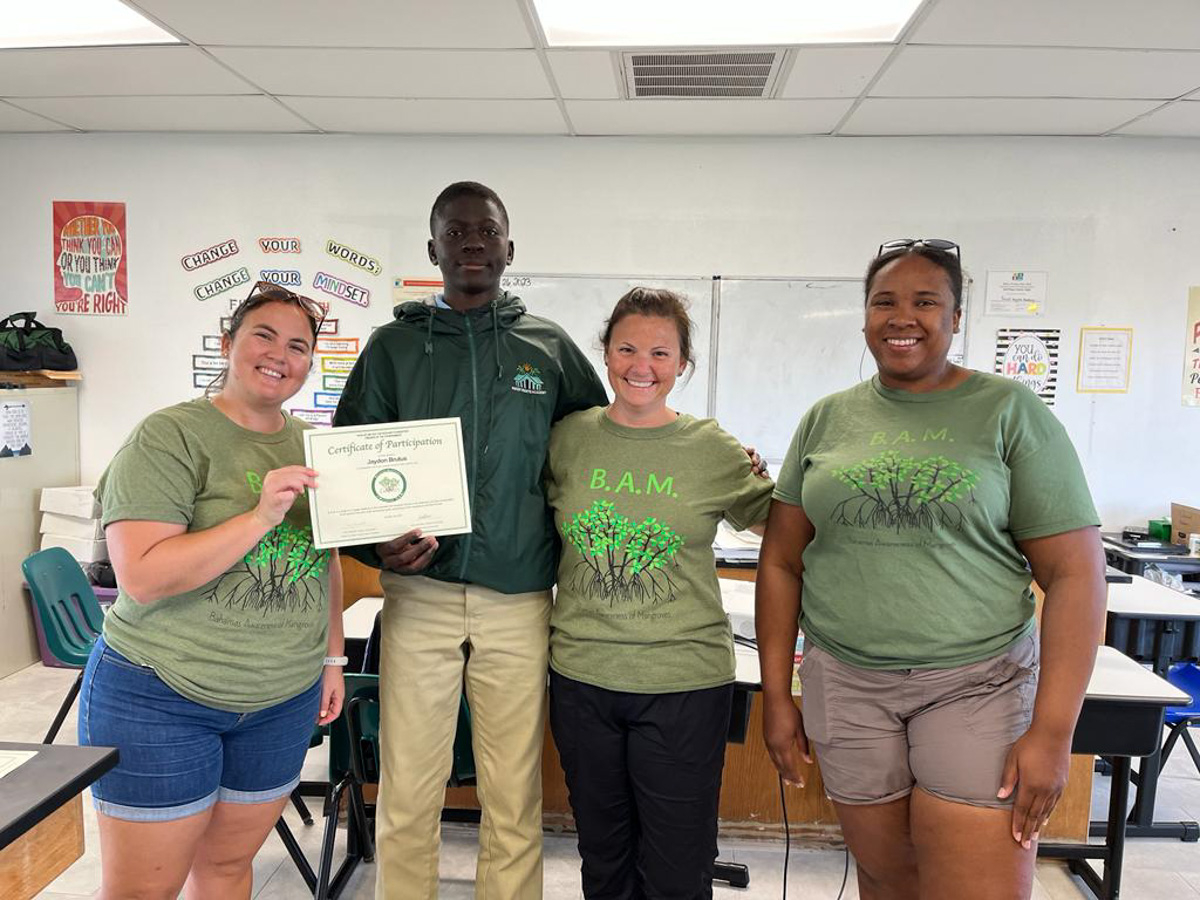
Congratulations to all the B.A.M. and J.A.M.I.N. graduates! Your accomplishments are a testament to your resilience, dedication, and passion for creating a better world. As you step into the future, may your experiences in environmental education continue to inspire you to protect our planet and advocate for a sustainable future.
Bahamas Awareness of Mangroves (B.A.M)
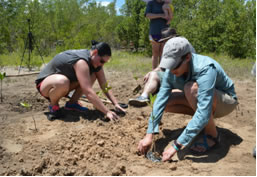
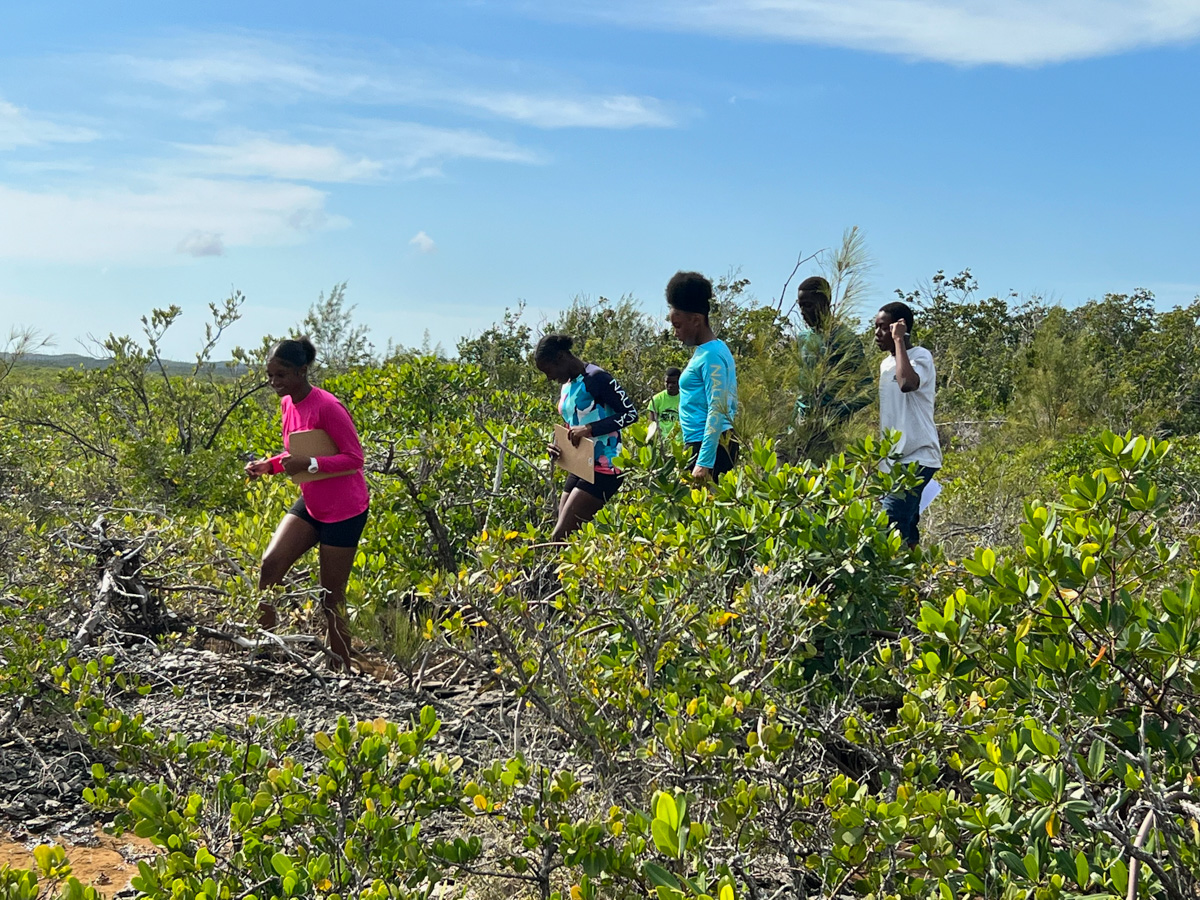
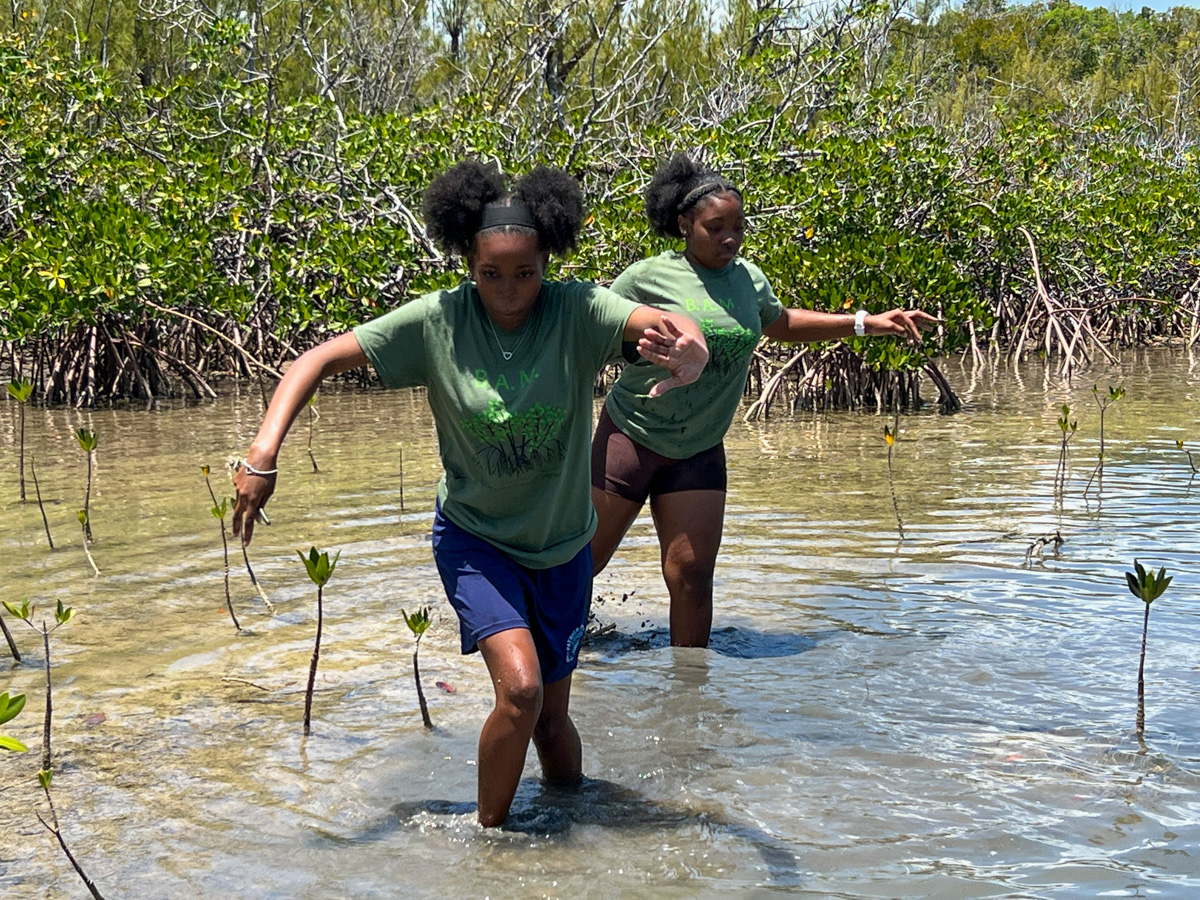
A few highlights from the 2022-2023 school year
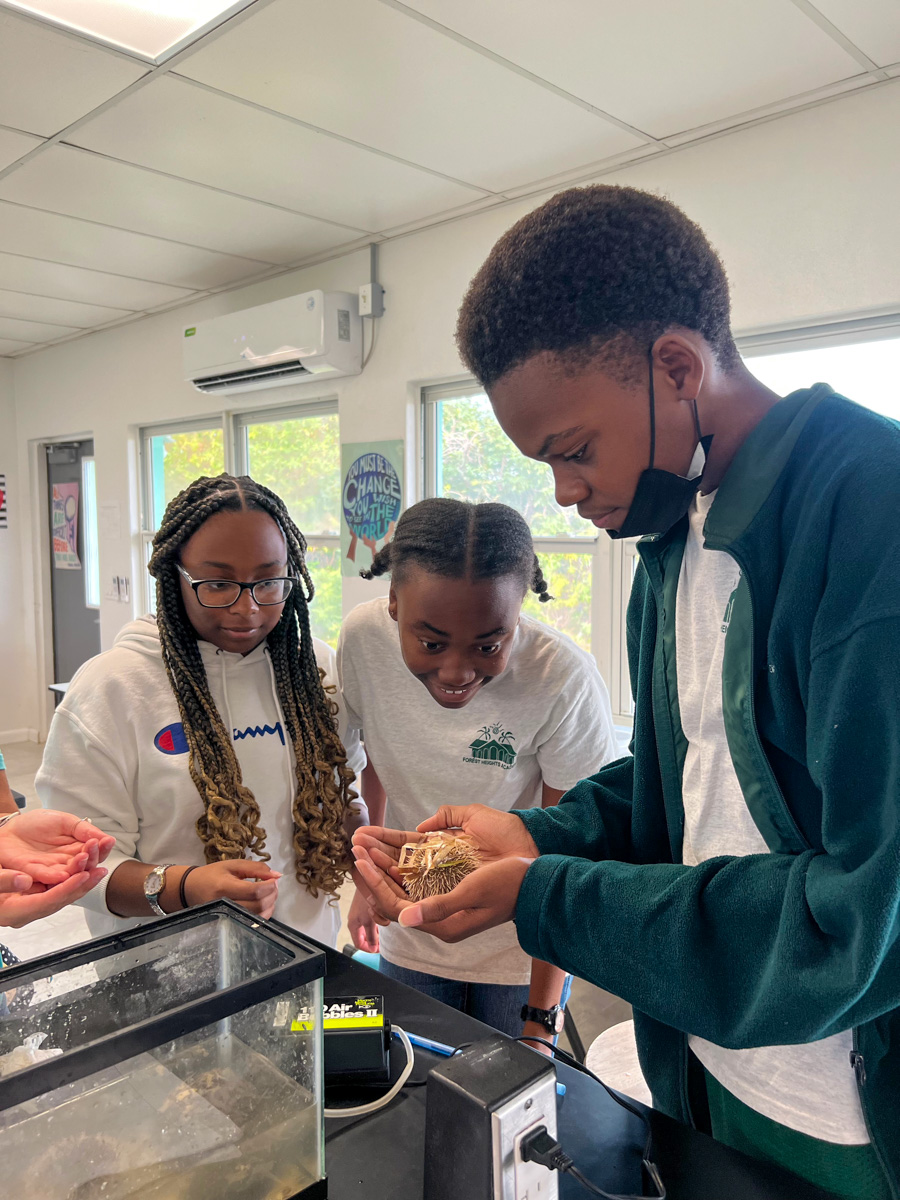


Jamaica Awareness of Mangroves in Nature (J.A.M.I.N.)
A few highlights from the 2022-2023 school year