As the sun begins to set and the lagoonal waters are calm, I begin to smell the strong aroma of burning coconut husks and leaves as we approach the beach near the village Rukua on Beqa Island. The Pacific Blue Foundation (PBF) team and I are attending a fire walking ceremony, an important cultural and spiritual exercise that has its roots strongly tied in with the Beqa Island community.
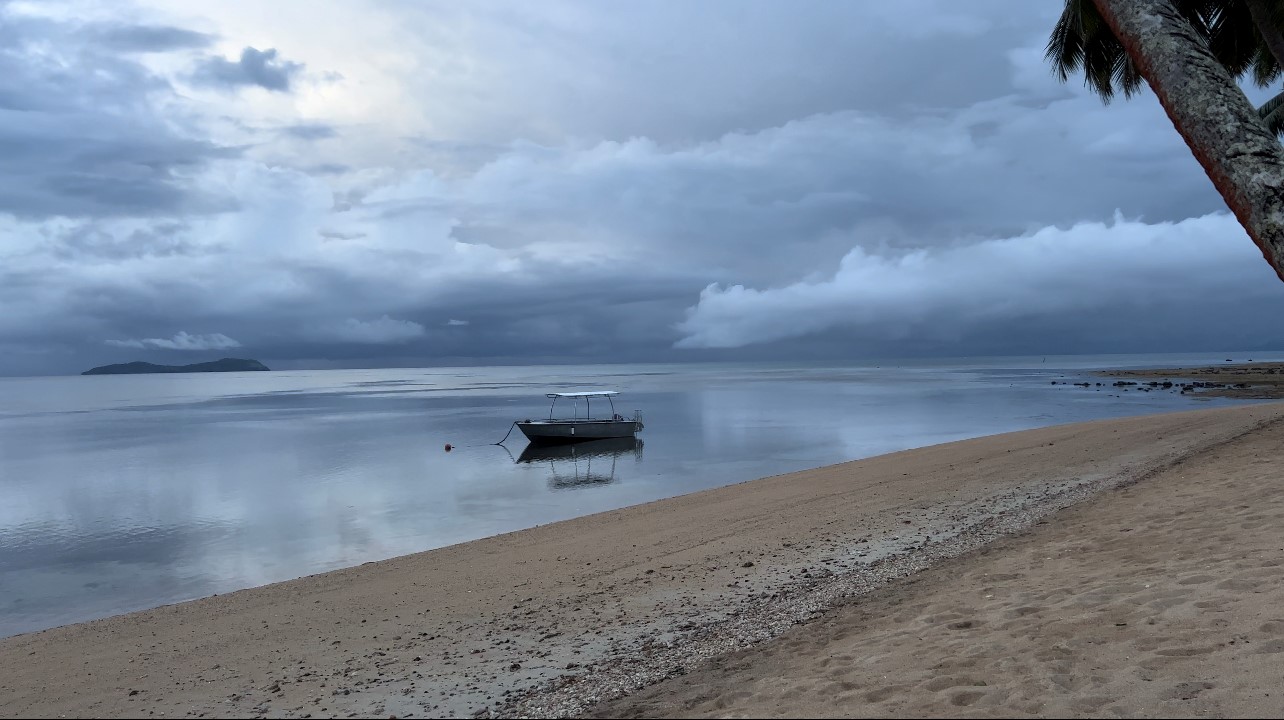
Fire walking is a traditional ritual that has been practiced in various cultures around the world for centuries. One of the most well-known places where this ritual is still performed is in the Beqa Lagoon in Fiji. This ancient tradition is not only a testament to the Fijian culture but also a spectacular event that draws tourists from all over the world.
Beqa Island is located off the southern coast of the main island of Viti Levu in Fiji. The island is home to the Sawau tribe, who are known for their skill in fire walking. The Sawau people believe that they have been given a special gift from their ancestors, which enables them to walk across hot coals without being burned. The ritual is a way for the tribe to honor their ancestors and pay homage to the gods.
The fire walking ceremony is usually performed during special occasions such as weddings, funerals, and other important events. The ceremony begins with a traditional Fijian welcome dance, followed by the preparation of the fire pit. The fire pit is a large circular pit dug into the ground and filled with burning hot coals.
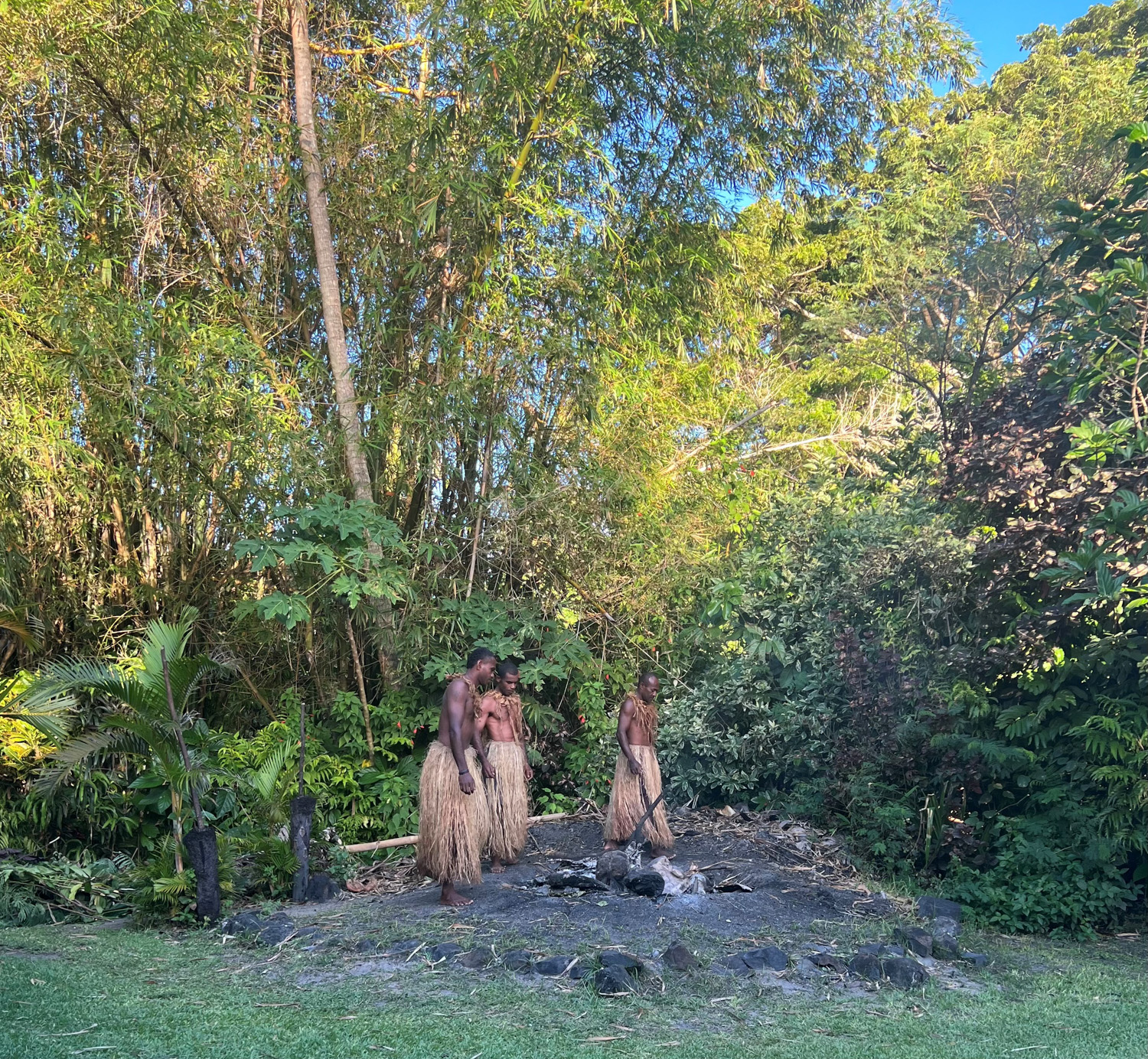
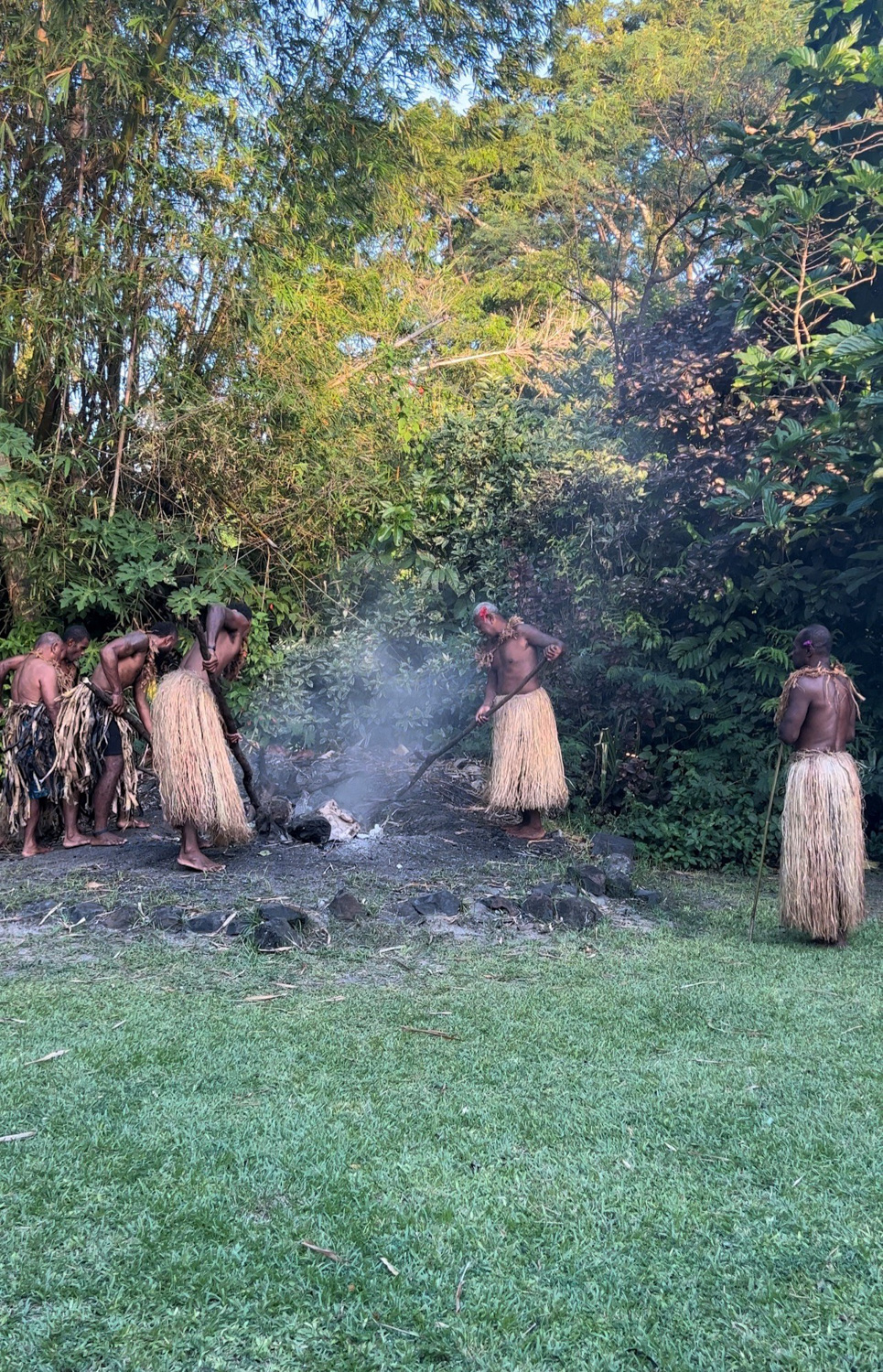
The fire walkers, known as “vilavilairevo,” meaning “people of the fire,” begin their preparations by praying and meditating to prepare themselves mentally and spiritually. They then cover their feet with a mixture of coconut oil and water, which helps to protect their skin from the heat of the coals.
Once the coals are ready, the fire walkers begin their walk across the pit. The walk is slow and deliberate, with the fire walkers maintaining a steady pace and a focused mindset. The crowd watches in awe as the fire walkers make their way across the pit, with some even carrying objects such as baskets or spears to demonstrate their skill.
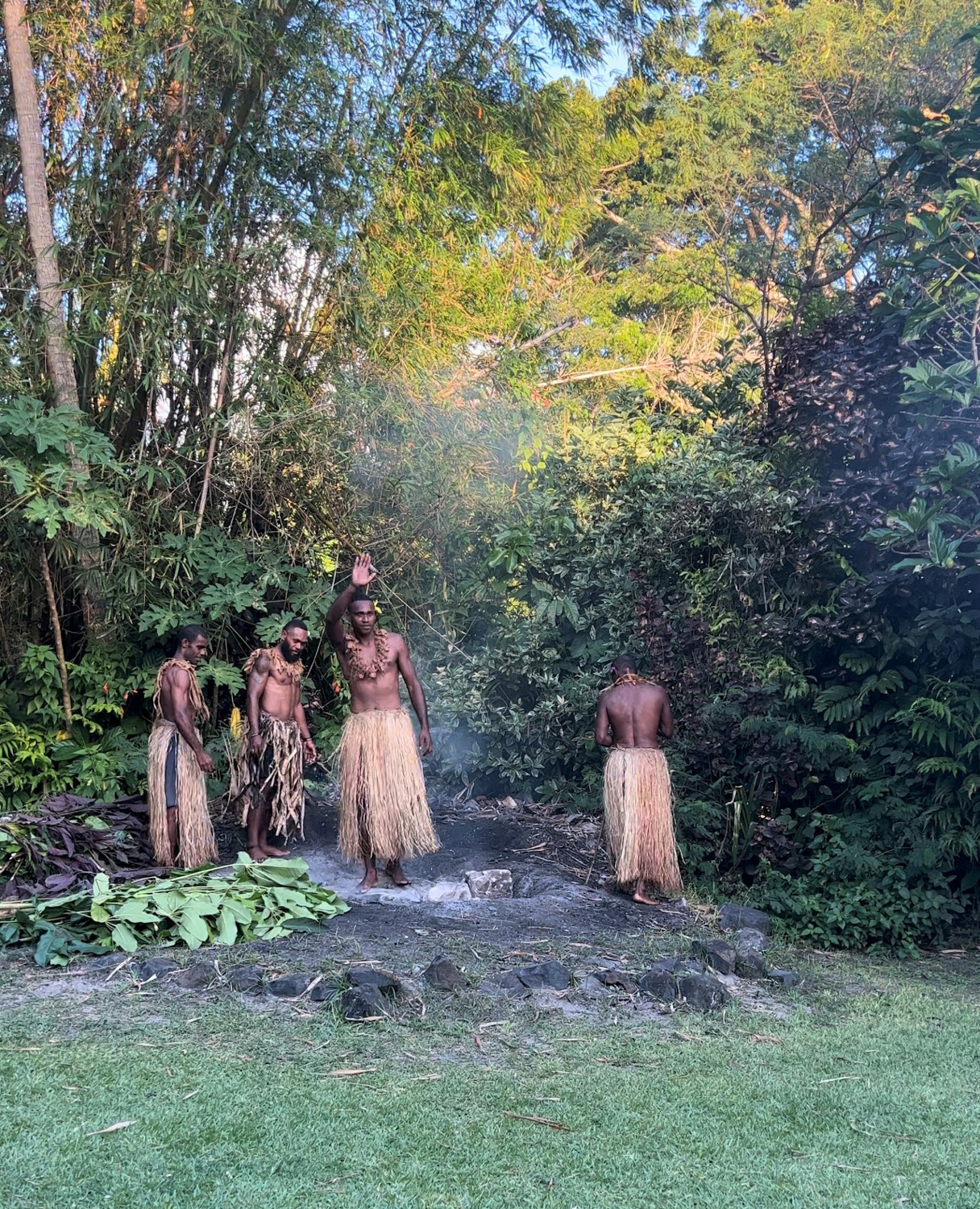
After the ceremony is over, the fire walkers are treated as heroes and receive gifts and praise from the crowd. I was quite lucky to be able to experience such a deeply spiritual and culturally significant practice firsthand. Many thanks to the Rukua community for being so welcoming and including me in to such an important event.