search-icon

2015

Maldives Crown-of-Thorns Starfish Control and Removal

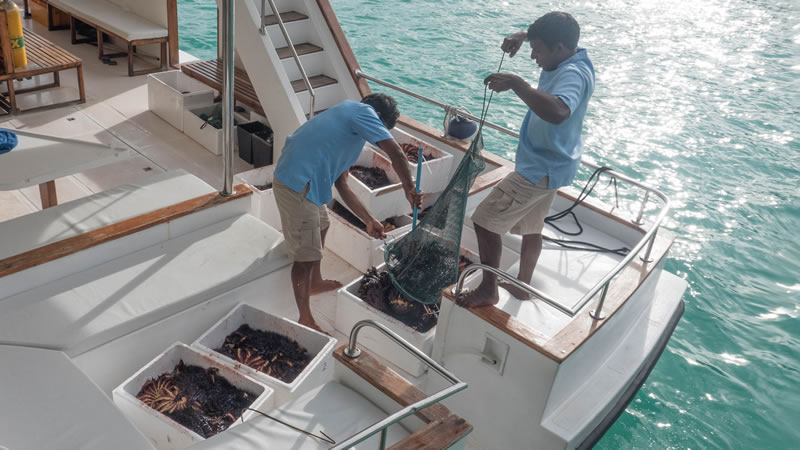
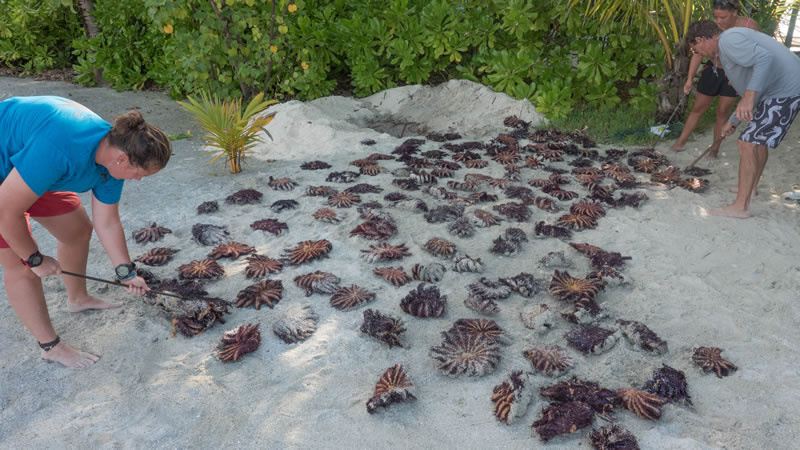
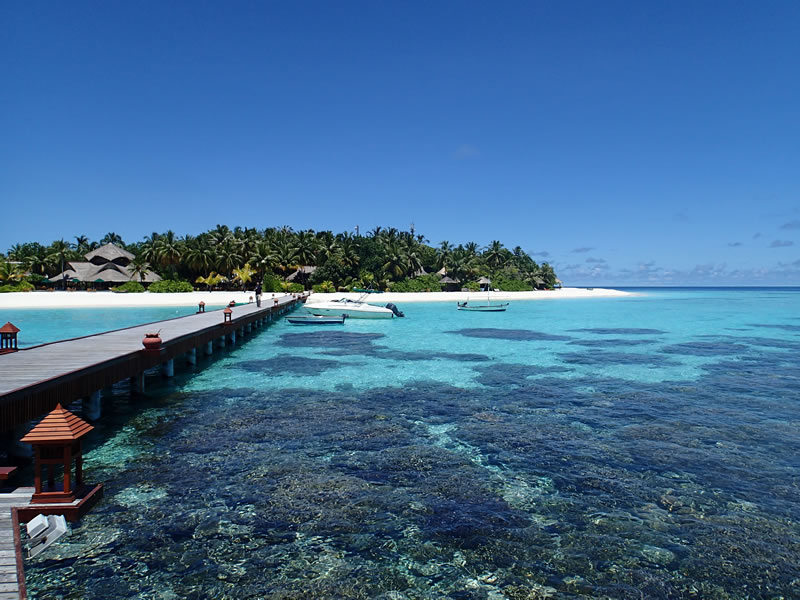
The Foundation launches a novel partnership with resorts and recreational divers to protect reefs from destructive starfish. During the months of October and November, the Foundation worked in the Maldives to remove Crown of Thorns Starfish (COTS) and invited certified SCUBA divers to participate in the effort as part of the Foundation’s Starfish Control and Removal (SCAR) Program designed to protect reefs from the damaging effects of the coral-eating starfish.

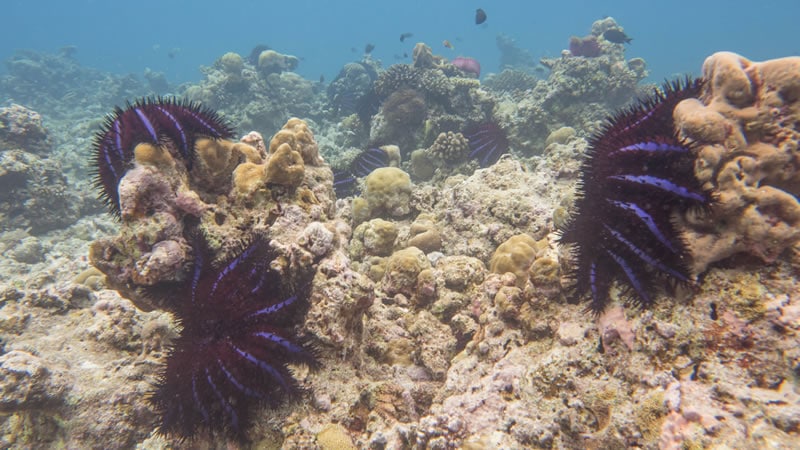
Crown of Thorns Starfish are a significant threat to coral reefs in the Indo-Pacific region. When outbreaks of these starfish are not controlled quickly, COTS often consume all the coral in one area and spread to neighboring reefs. Severe outbreaks of COTS are capable of destroying an entire reef system in a matter of weeks, and reefs may require decades or more to recover. Without corals, the fish that depend on reefs for feeding, shelter and breeding grounds will disappear. With millions of visitors to coral reef nations every year, COTS outbreaks have the potential to have a devastating impact on dive tourism.


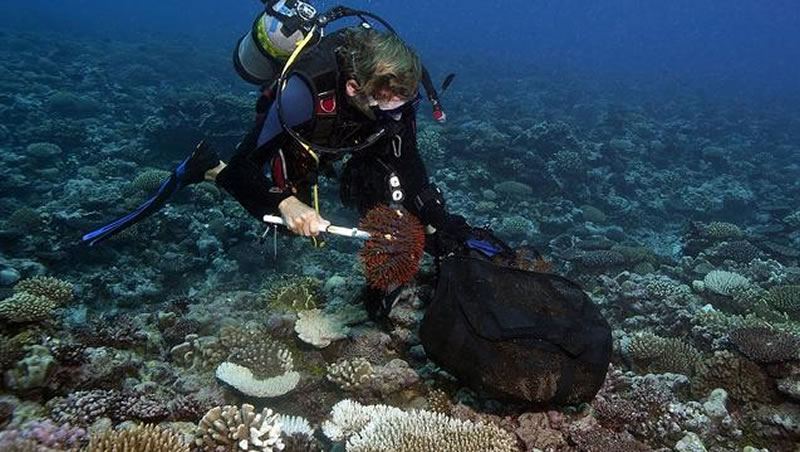
The project in the Maldives is part of the Foundation’s  Starfish Control and Removal (SCAR) Program designed to protect reefs from the damaging effects of the coral-eating starfish. The SCAR program has three components: an assessment of the condition of the reef and the amount of damage caused by the starfish, the removal of the COTS during outbreaks, and training others to remove COTS.
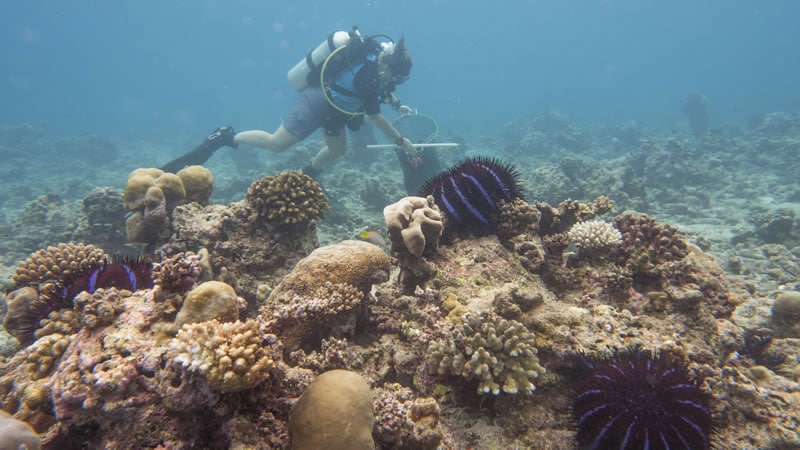
While in the Maldives the Foundation’s science team surveyed coral reefs to record the number and distribution of COTS, assessed the extent of damage, and studied COTS feeding preferences. They also collected tube feet from these starfish to determine where they came from and how the outbreak is spreading.

This project provided recreational divers and dive operators with the opportunity to take an active role in conserving the reefs they value. Because scientists are unlikely to be able to deal with the scale of the problem alone, citizen scientists, and local divers play a critical part in the success of COTS removal efforts. By working side by side with local divers, we were able to greatly increase the number of starfish that were removed from these reefs.


Partners in the Maldives

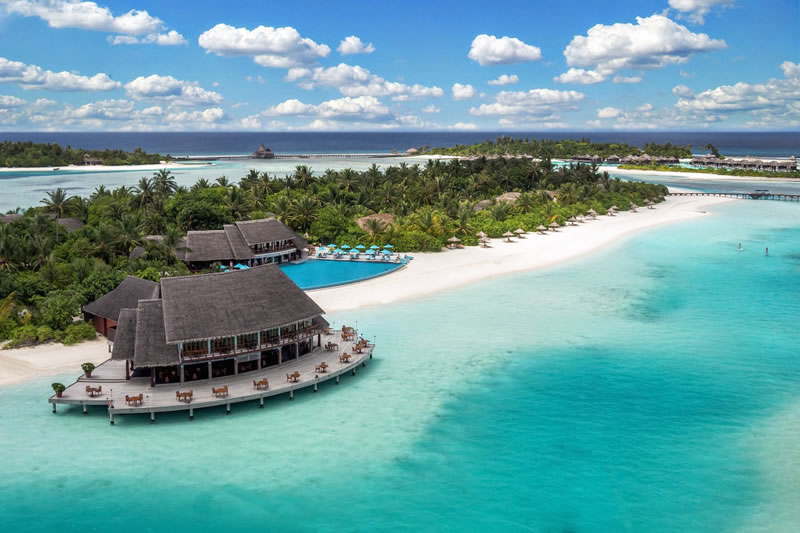
The following resorts in the Maldives have been extremely supportive of our starfish control and removal program and generously sponsored portions of our COTS research program.

“Furthering the coral adoption programme that Anantara initiated in 2008, we are thrilled to be supporting this marine environment programme conducting hands-on coral reef conservation. Surrounded 99% by water, the real beauty of the Maldives thrives below sea level with stunning corals and vast array of marine life. It is crucial that proactive and preventative measures are taken to protect it.”

– Elizabeth Smailes, Anantara Resorts
Related Posts

From Dialogue to Action: Ocean Foundations Gather in Stockholm

What can philanthropy accomplish when foundations working across ocean science, conservation, and sustainable development come together around a shared purpose?

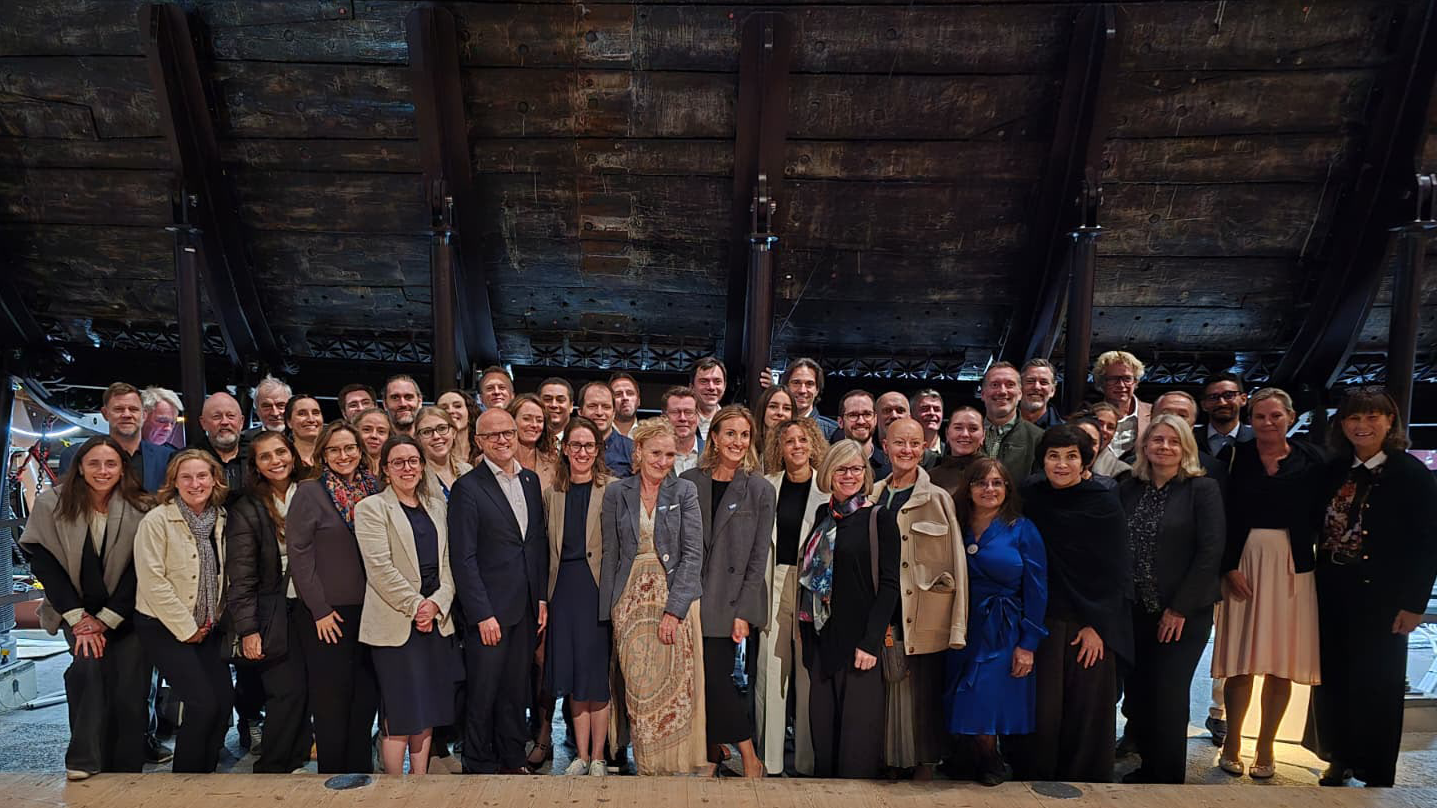
That question was at the heart of the 6th UN Ocean Decade Foundations Dialogue, held September 7–9 in Stockholm, Sweden. The Khaled bin Sultan Living Oceans Foundation joined philanthropic organizations from around the world for three days of discussion, collaboration, and planning focused on accelerating progress during the second half of the UN Decade of Ocean Science for Sustainable Development.

Facilitated by UNESCO’s Intergovernmental Oceanographic Commission (IOC), the UN Ocean Decade Foundations Dialogue is a growing network of more than 30 philanthropic organizations committed to advancing ocean science, collaboration, and action. Since its creation within the framework of the Ocean Decade, the Dialogue has provided foundations with a space to exchange ideas, develop partnerships, and explore how philanthropy can help advance a healthy and resilient ocean.

Hosted by the Voice of the Ocean Foundation (VOTO), this year’s gathering began with From Depth to Action, an Opening Forum that brought nearly 100 leaders from the Swedish and international ocean community together at…

Read More

Meet IFAN: Helping Bring Navigate with Care to the Next Generation

If you’ve ever seen a lighthouse flashing from the shore or a brightly colored buoy bobbing in the water, you’ve seen Aids to Navigation at work.

Aids to Navigation, often called AtoNs, help mariners navigate safely. They can mark channels, warn of hazards, help vessels determine their position, and provide other information people need to make safe decisions on the water. Around the world, these systems help guide everything from small recreational boats to large commercial or container ships. 

But safe navigation isn’t only about protecting vessels and the people aboard them. The choices mariners make can also affect the animals and ecosystems beneath and around them.

That connection between maritime safety and ocean conservation is at the heart of this year’s Science Without Borders® Challenge—and of our partnership with this year’s theme sponsor, the International Foundation for Aids to Navigation (IFAN).

Read More
Privacy Overview

This website uses cookies so that we can provide you with the best user experience possible. Cookie information is stored in your browser and performs functions such as recognising you when you return to our website and helping our team to understand which sections of the website you find most interesting and useful.  You can view our complete Privacy Policy here.

Strictly Necessary Cookies

Most of our cookies are used to improve website security and reduce spam. These cookies should be enabled at all times. They also enable us to save your preferences for cookie settings.

3rd Party Cookies

This website uses Google Analytics to collect anonymous information such as the number of visitors to the site, and the most popular pages. Keeping this cookie enabled helps us to improve our website.