
search-icon
Helping Students Love Mangroves

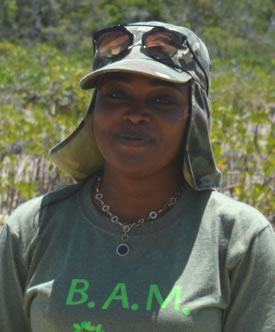
Cassandra Abraham, Education Officer, Friends of the Environment

A guest blog by: Cassandra Abraham 
Education Officer 
Friends of the Environment


Mangrove Education and Restoration Program Blog

Mangroves are one of the most productive ecosystems in the world. In small island nations like The Bahamas, where most people thrive off fisheries, mangrove ecosystems serve as the lifeline for this vital industry. However, not everyone understands this dynamic. This is how projects like The Bahamas Awareness of Mangroves (BAM), and organizations like Friends of the Environment can and do play a big role. Friends of the Environment is a nonprofit non-governmental organization that focuses on environmental education heavily geared towards not just schools, but also communities and visitors. The BAM project helps students not only to understand the importance of mangroves, but it has also helped to foster an appreciation for them.

Cassandra Abraham teaching students about the types of Bahamian mangroves.

Cassandra Abraham plants mangrove propagules during the B.A.M. restoration at Camp Abaco.

On our very first mangrove expedition with the students, they were not excited about walking in the “stinky mud.” I can distinctly remember one student in particular screaming out “Ms. Cassie? Ms. Cassie?” In a panic I turned around thinking that she was hurt, but instead was greeted by a big smile and an even louder outburst “This feels so REAL.”

Even after sinking in the mud, this Forest Heights Academy student is excited to plant her mangroves.

This was a great moment for me. Yes, this student was taught all about mangroves in her classroom, but for the first time, she was able to connect to this ecosystem that previously only existed for her in books and dull discussions.

Casandra Abraham helps a student from Abaco Central High School plant mangrove propagules.

Baba Dioum said “In the end we will conserve only what we love, we will love only what we understand, we will understand only what we are taught.” This is so true! With programs such as BAM, we are helping students to love and appreciate the functions and values of our natural resources. These students are going to be the future leaders of this country. We must therefore ensure that we are not only handing over our precious resources in good condition, but we must also ensure that they know how to take care of them.
Related Posts

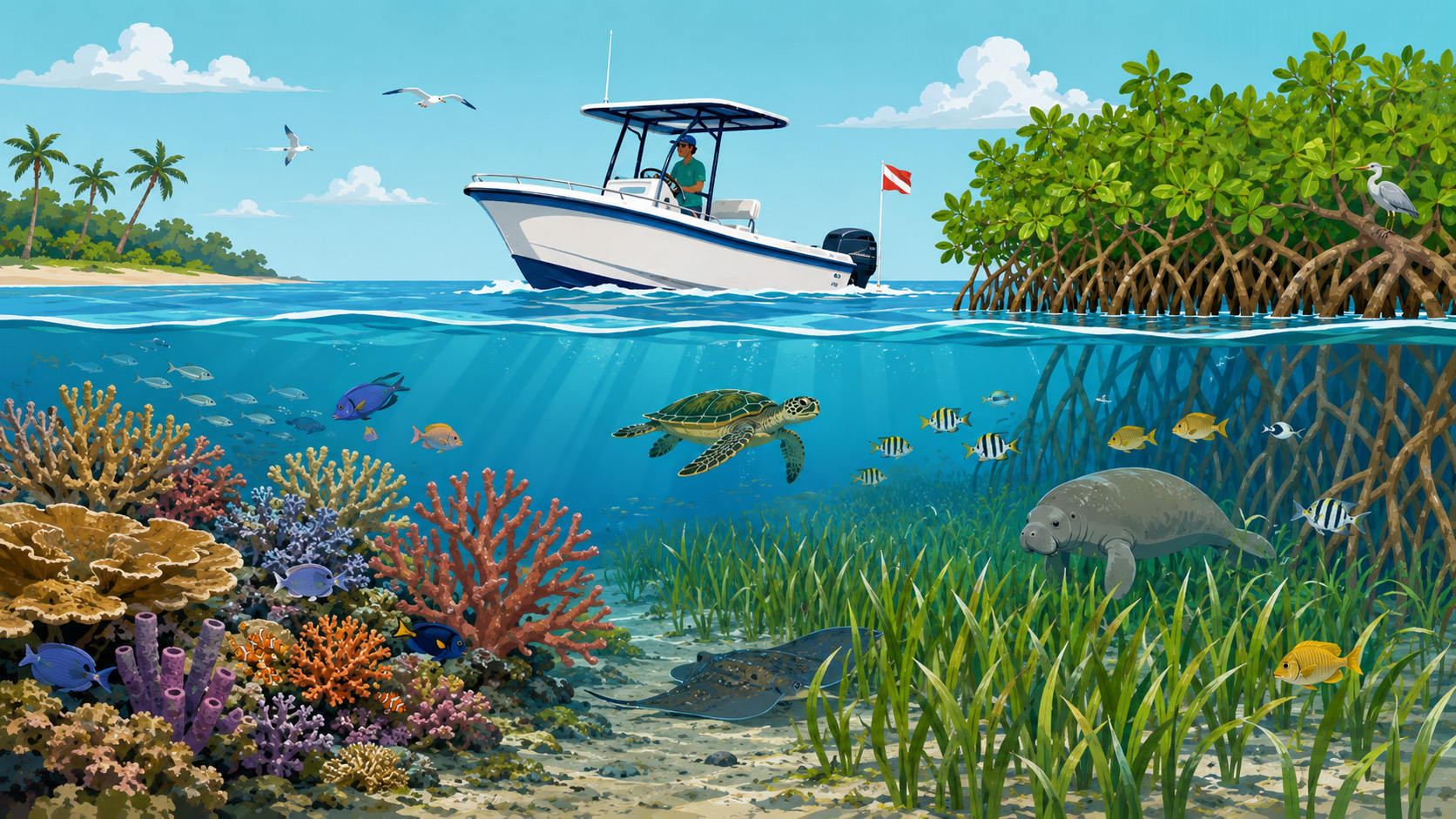
Everything You Need to Know About the 2027 Science Without Borders® Challenge

Are you ready to combine your creativity with ocean science?

The 15th Annual Science Without Borders® Challenge is now open! Whether you’re participating for the first time or returning for another year, this guide will help you get started.

This year’s theme, Navigate With Care, invites students to explore how responsible navigation helps protect both people and life in the ocean. Through your artwork, you can compete for scholarships and international recognition while inspiring others to protect both people and life in the ocean.

Read More

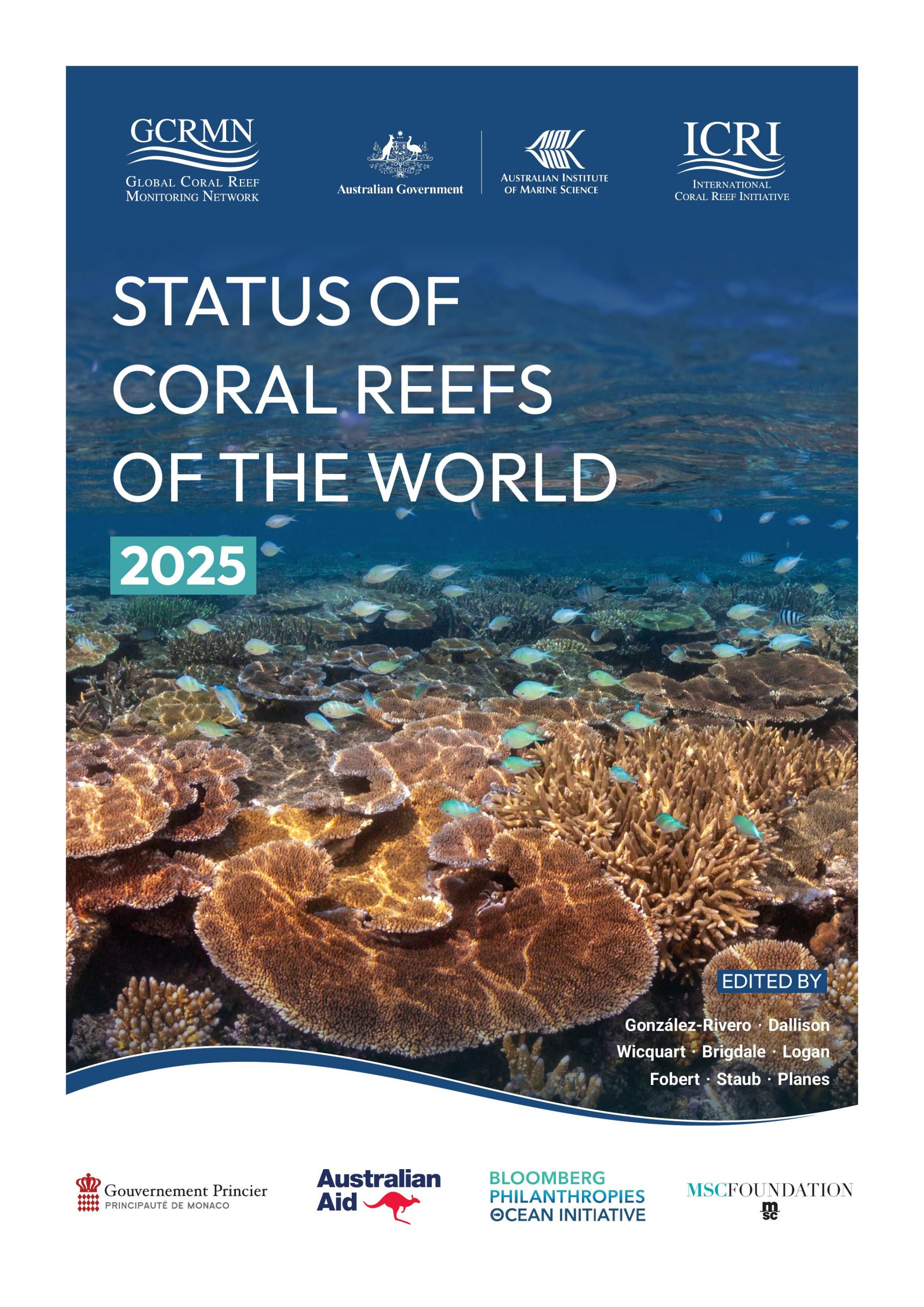
Global Reef Expedition Data Contributes to Landmark Report on the World’s Coral Reefs

More than a decade after scientists aboard the Global Reef Expedition surveyed coral reefs across the Pacific, the data they collected continues to contribute to our understanding of the world’s coral reefs.

Today, the Global Coral Reef Monitoring Network (GCRMN) released Status of Coral Reefs of the World: 2025, the most comprehensive assessment to date of the status and trends of coral reefs worldwide. The report brings together an extraordinary amount of information collected over more than four decades—and the Khaled bin Sultan Living Oceans Foundation is proud to have contributed data from the Global Reef Expedition to this global effort. 

Read More
Privacy Overview

This website uses cookies so that we can provide you with the best user experience possible. Cookie information is stored in your browser and performs functions such as recognising you when you return to our website and helping our team to understand which sections of the website you find most interesting and useful.  You can view our complete Privacy Policy here.

Strictly Necessary Cookies

Most of our cookies are used to improve website security and reduce spam. These cookies should be enabled at all times. They also enable us to save your preferences for cookie settings.

3rd Party Cookies

This website uses Google Analytics to collect anonymous information such as the number of visitors to the site, and the most popular pages. Keeping this cookie enabled helps us to improve our website.