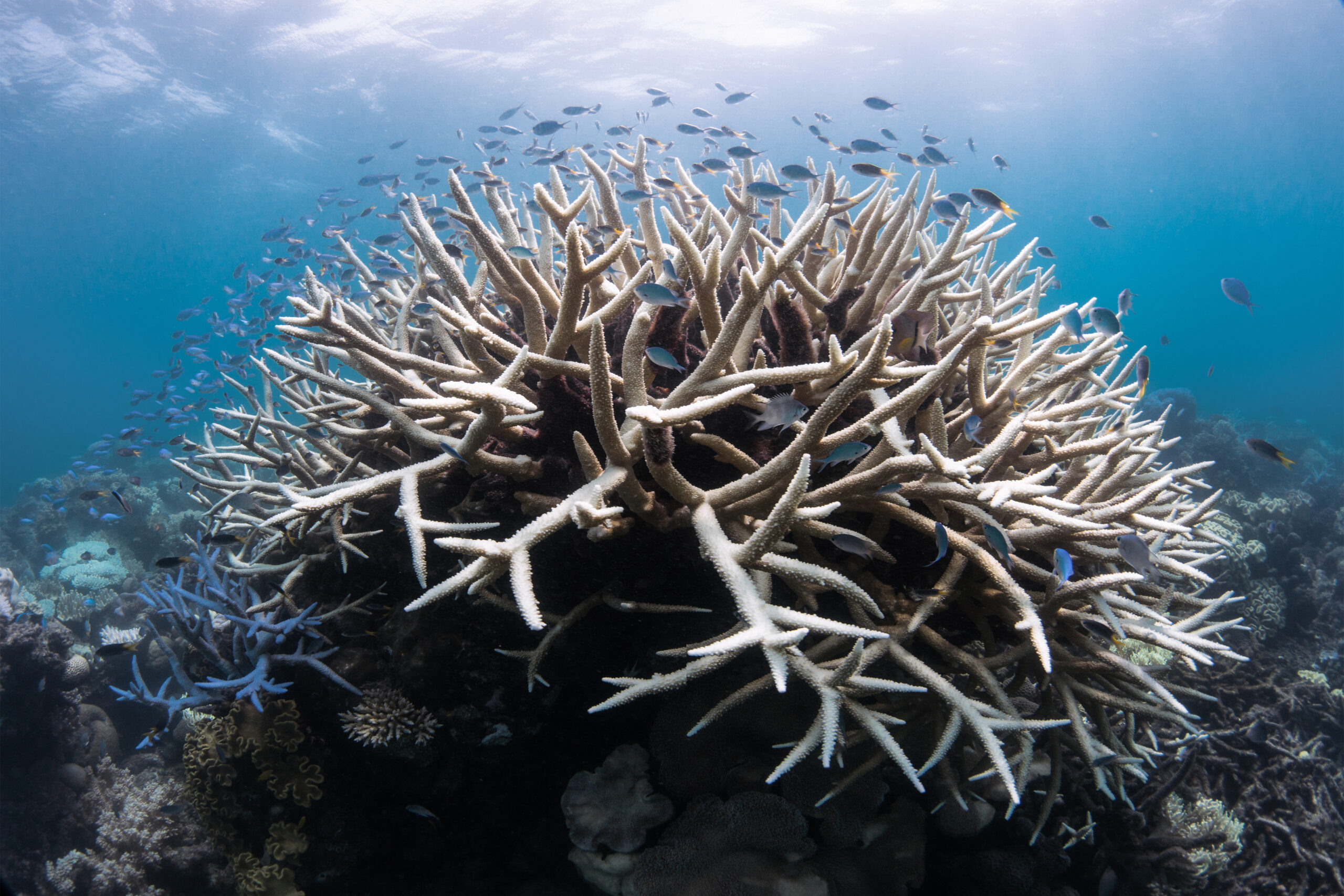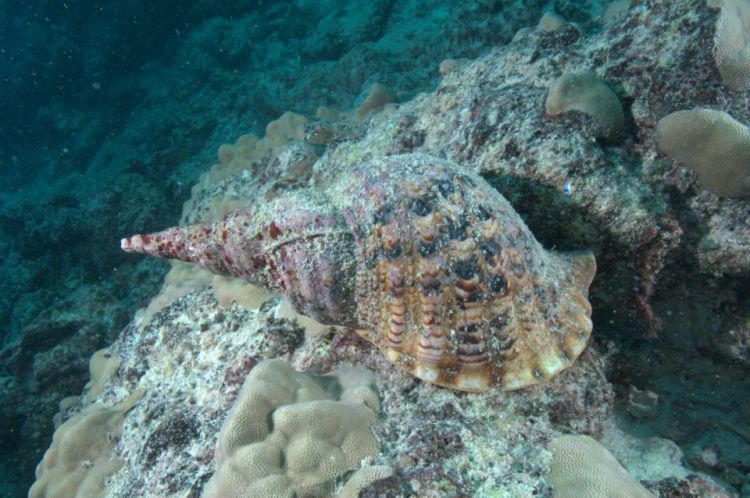
The Living Oceans Foundation conducted research missions in the Cook Islands and our scientists worked alongside researchers from the Ministry of Marine Resources, members of the Cook Islands Marine Park Steering Committee, and the Te Ipukarea Society. Together they used satellite imagery and ground observations to identify and characterize the various marine habitats to create high resolution habitat maps. Our researchers also focused on the health of these ecosystems hoping to identify threats affecting the reefs, as well as the extent of degradation and resilience to stressors such as ocean acidification and infestations of destructive crown of thorns starfish.
Meet IFAN: Helping Bring Navigate with Care to the Next Generation
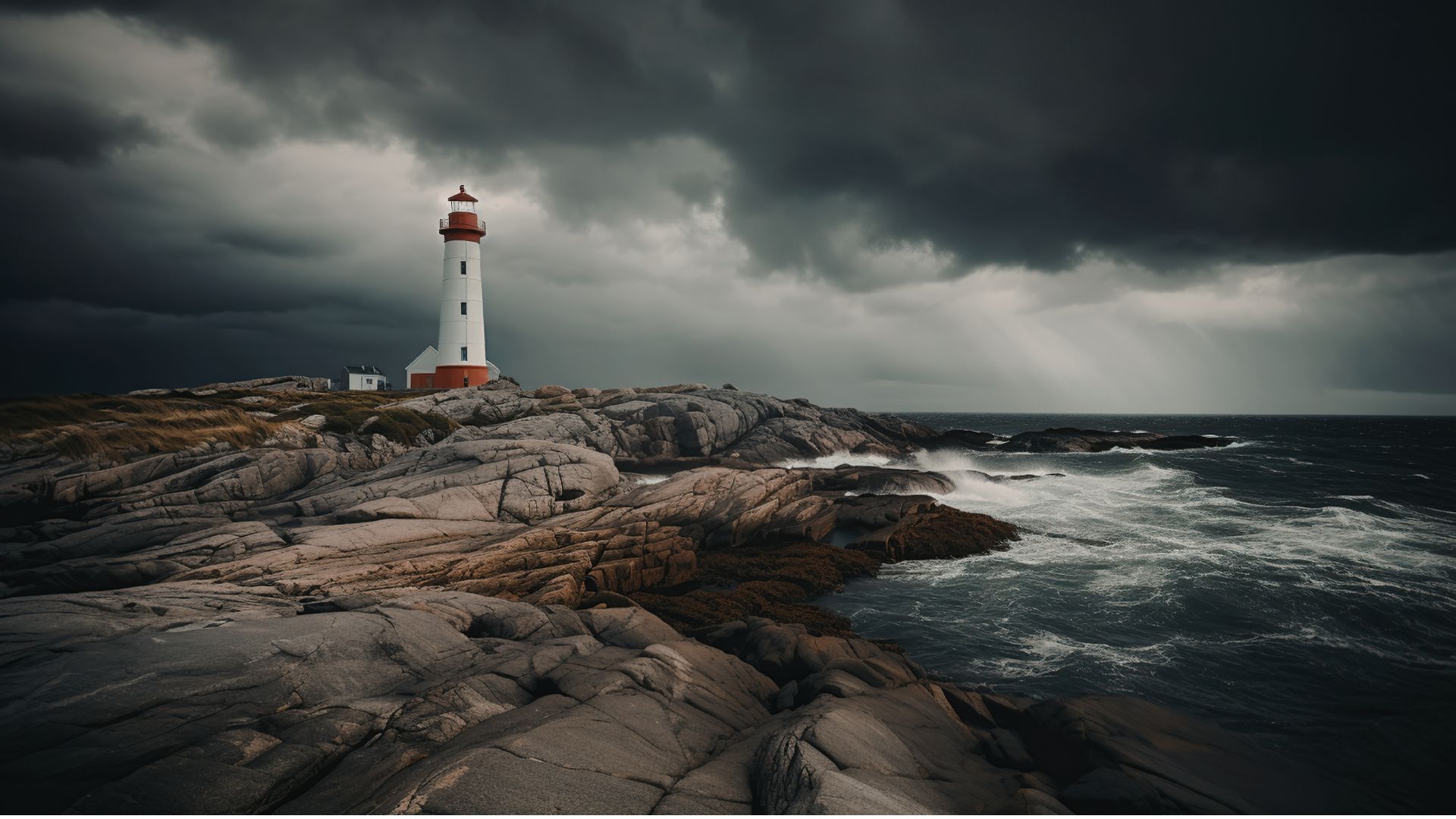
If you’ve ever seen a lighthouse flashing from the shore or a brightly colored buoy bobbing in the water, you’ve seen Aids to Navigation at work.
Aids to Navigation, often called AtoNs, help mariners navigate safely. They can mark channels, warn of hazards, help vessels determine their position, and provide other information people need to make safe decisions on the water. Around the world, these systems help guide everything from small recreational boats to large commercial or container ships.
But safe navigation isn’t only about protecting vessels and the people aboard them. The choices mariners make can also affect the animals and ecosystems beneath and around them.
That connection between maritime safety and ocean conservation is at the heart of this year’s Science Without Borders® Challenge—and of our partnership with this year’s theme sponsor, the International Foundation for Aids to Navigation (IFAN).