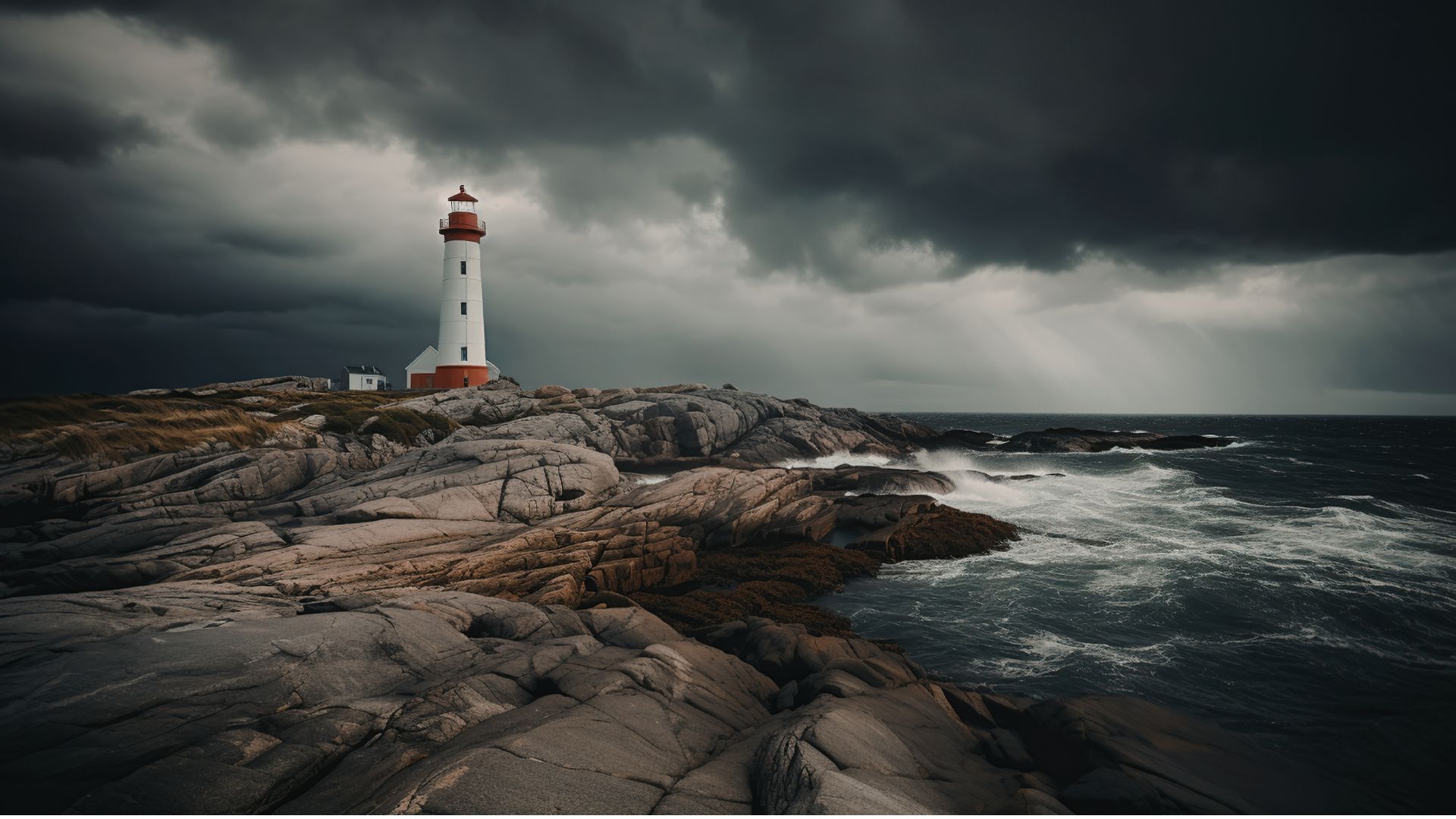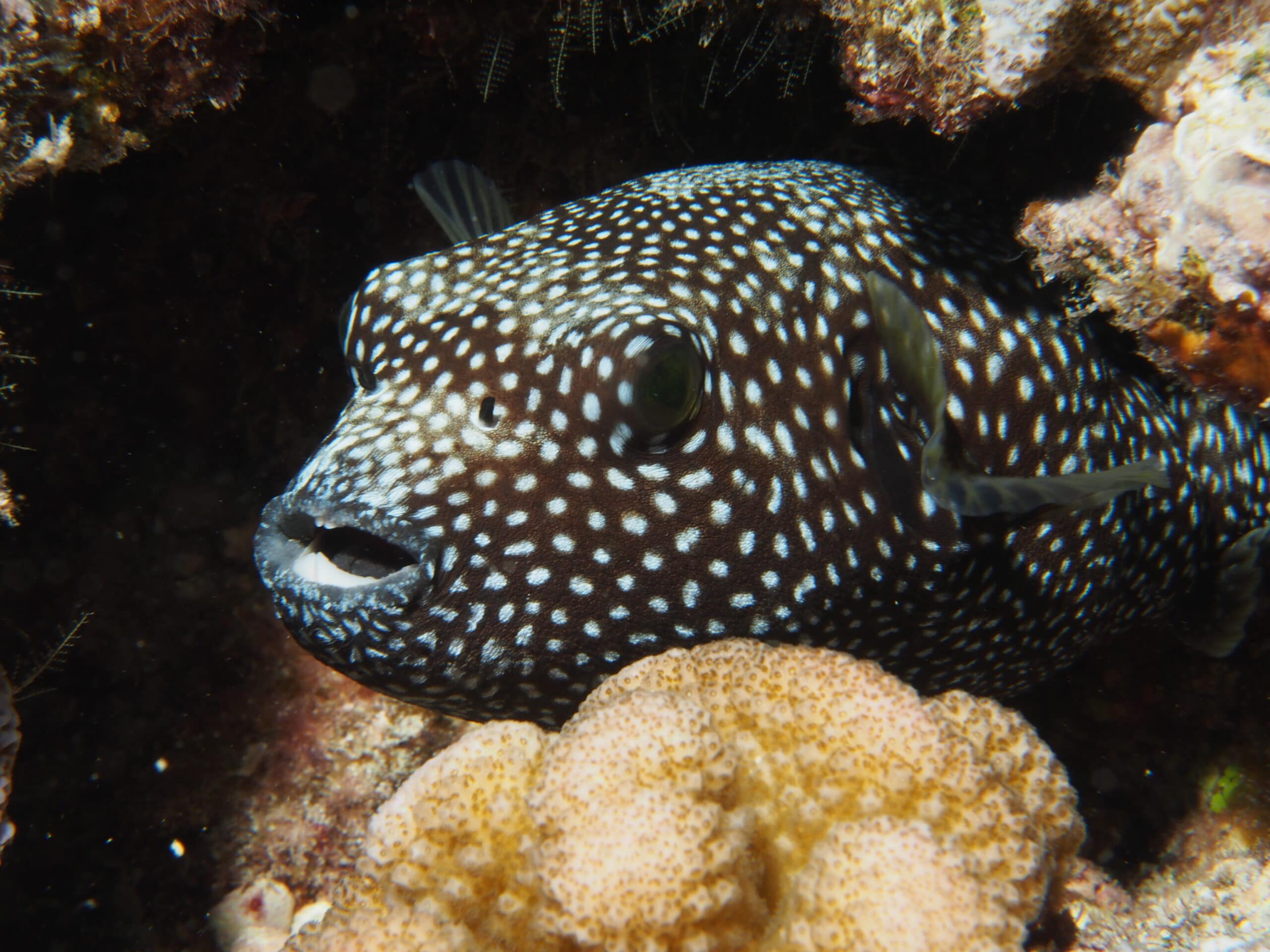
Our research in Tonga will fill major gaps in understanding. These reef communities have been poorly studied, with exception of a few locations near more populated islands. Coral reefs in Tonga are reported to have been impacted by multiple threats, including large scale disturbances such as tropical cyclones, crown-of-thorns starfish outbreaks, sea-level fluctuations associated with El Niño events, and a bleaching event in 2000. Reefs near populated areas have also been confronted by major anthropogenic threats since the 1980s, including overexploitation of natural resources, destructive fishing practices, siltation and runoff resulting from rapid urbanization and human population growth.
From Dialogue to Action: Ocean Foundations Gather in Stockholm
What can philanthropy accomplish when foundations working across ocean science, conservation, and sustainable development come together around a shared purpose?
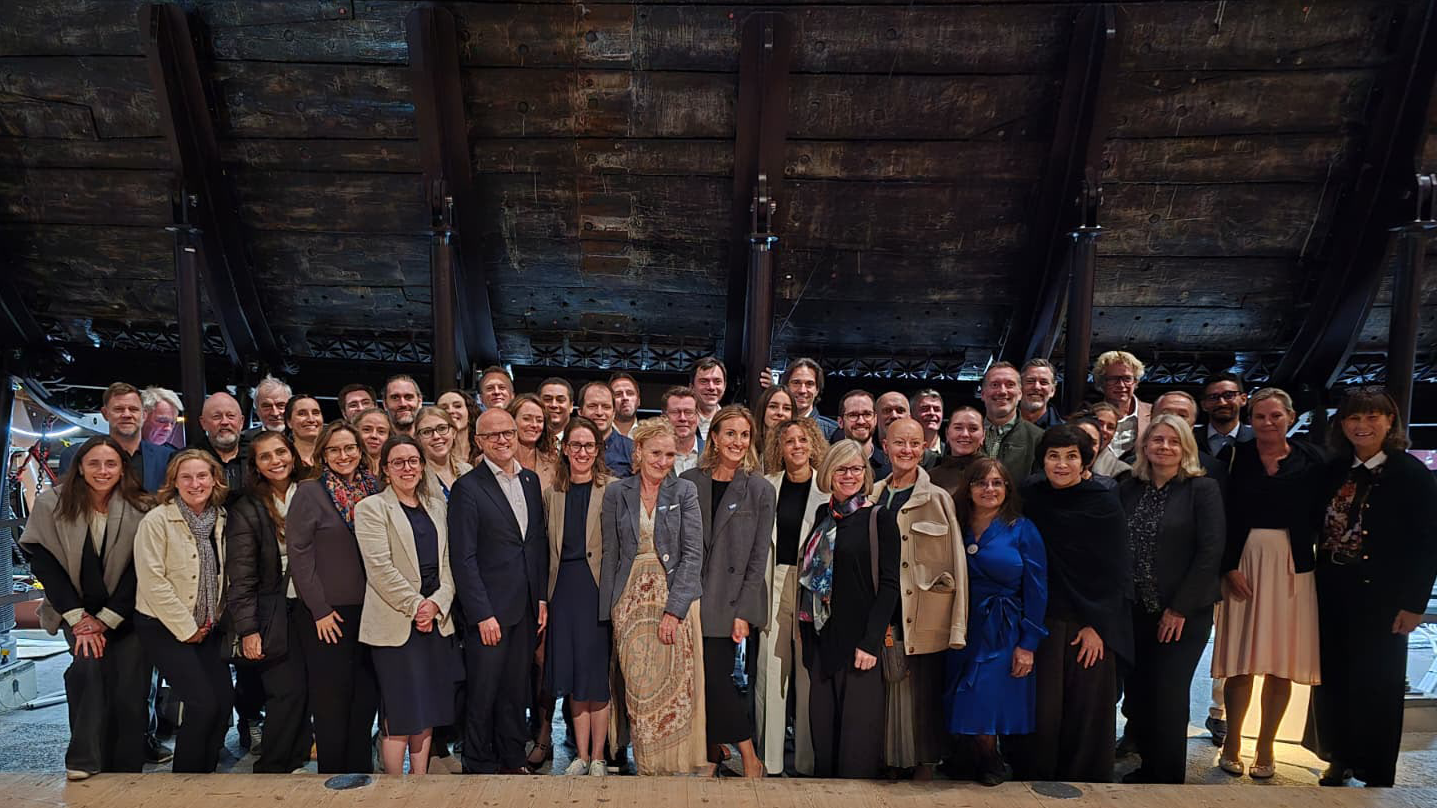
That question was at the heart of the 6th UN Ocean Decade Foundations Dialogue, held September 7–9 in Stockholm, Sweden. The Khaled bin Sultan Living Oceans Foundation joined philanthropic organizations from around the world for three days of discussion, collaboration, and planning focused on accelerating progress during the second half of the UN Decade of Ocean Science for Sustainable Development.
Facilitated by UNESCO’s Intergovernmental Oceanographic Commission (IOC), the UN Ocean Decade Foundations Dialogue is a growing network of more than 30 philanthropic organizations committed to advancing ocean science, collaboration, and action. Since its creation within the framework of the Ocean Decade, the Dialogue has provided foundations with a space to exchange ideas, develop partnerships, and explore how philanthropy can help advance a healthy and resilient ocean.
Hosted by the Voice of the Ocean Foundation (VOTO), this year’s gathering began with From Depth to Action, an Opening Forum that brought nearly 100 leaders from the Swedish and international ocean community together at…