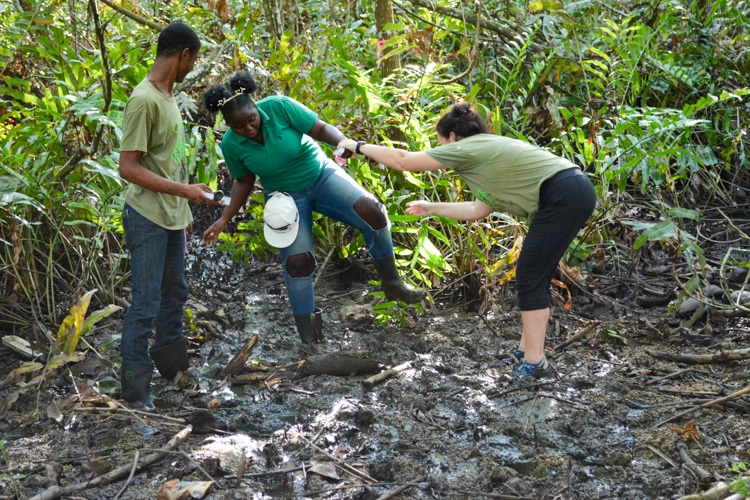
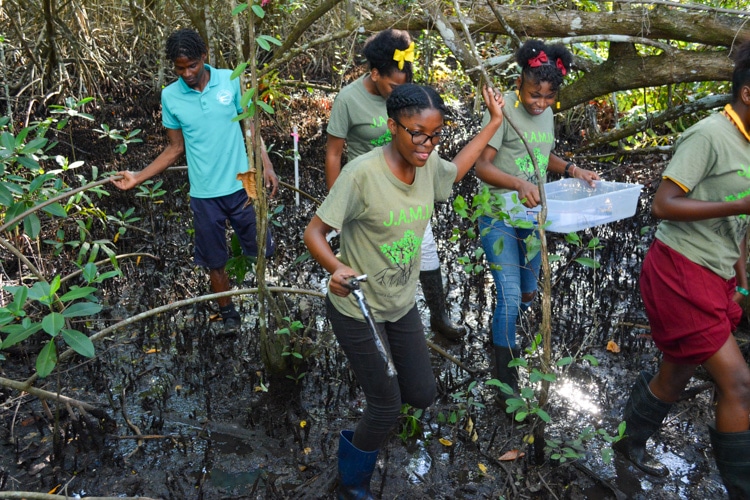
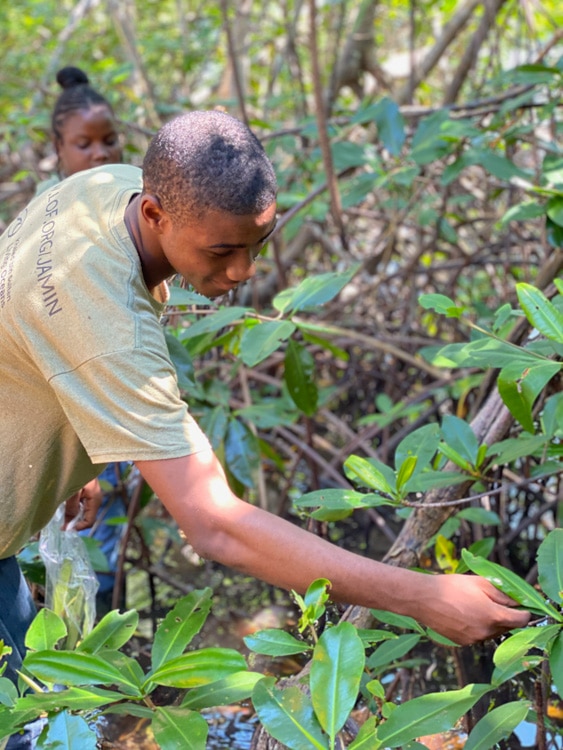
Giggles, chatter, and the sound of squeaking rubber boots echoed through the mangrove forest surrounding Alligator Head Foundation, where second-year J.A.M.I.N. students from Port Antonio and Titchfield High Schools trudged through the thick mangrove mud to reach their square quadrats. Inside the quadrats, they used scientific equipment to collect data for a variety of environmental parameters such as salinity, dissolved oxygen, and mangrove tree height. They also gathered red mangrove leaves that contain necrotic (dead) tissue. The students later conducted an investigation to see if these leaves contained the presence of a disease-causing fungus. More on that later.
Scientist Dr. Ryann Rossi discovered the presence of a fungal disease called Pestalotiopsis in mangrove leaves throughout the Bahamas. This disease was believed to be a potential culprit of a mangrove die-off that took place in Abaco, The Bahamas. Dr. Rossi wanted to find out if this fungus was present in other Caribbean locations, but quickly discovered that it would be too costly and time consuming to conduct research in multiple locations. She decided that she would need partners in order to expand her reach. After meeting Dr. Rossi at a conference, we both saw how a partnership would allow her to obtain valuable data, and also provide young people in our mangrove programs with a unique opportunity to participate in science. Years of collaboration with Dr. Rossi led to the development of a citizen science program called Mangrove Detectives, which allows students to be the scientists. This program provides our students and many others with an enriching opportunity to participate in scientific inquiry in a relevant and meaningful way.
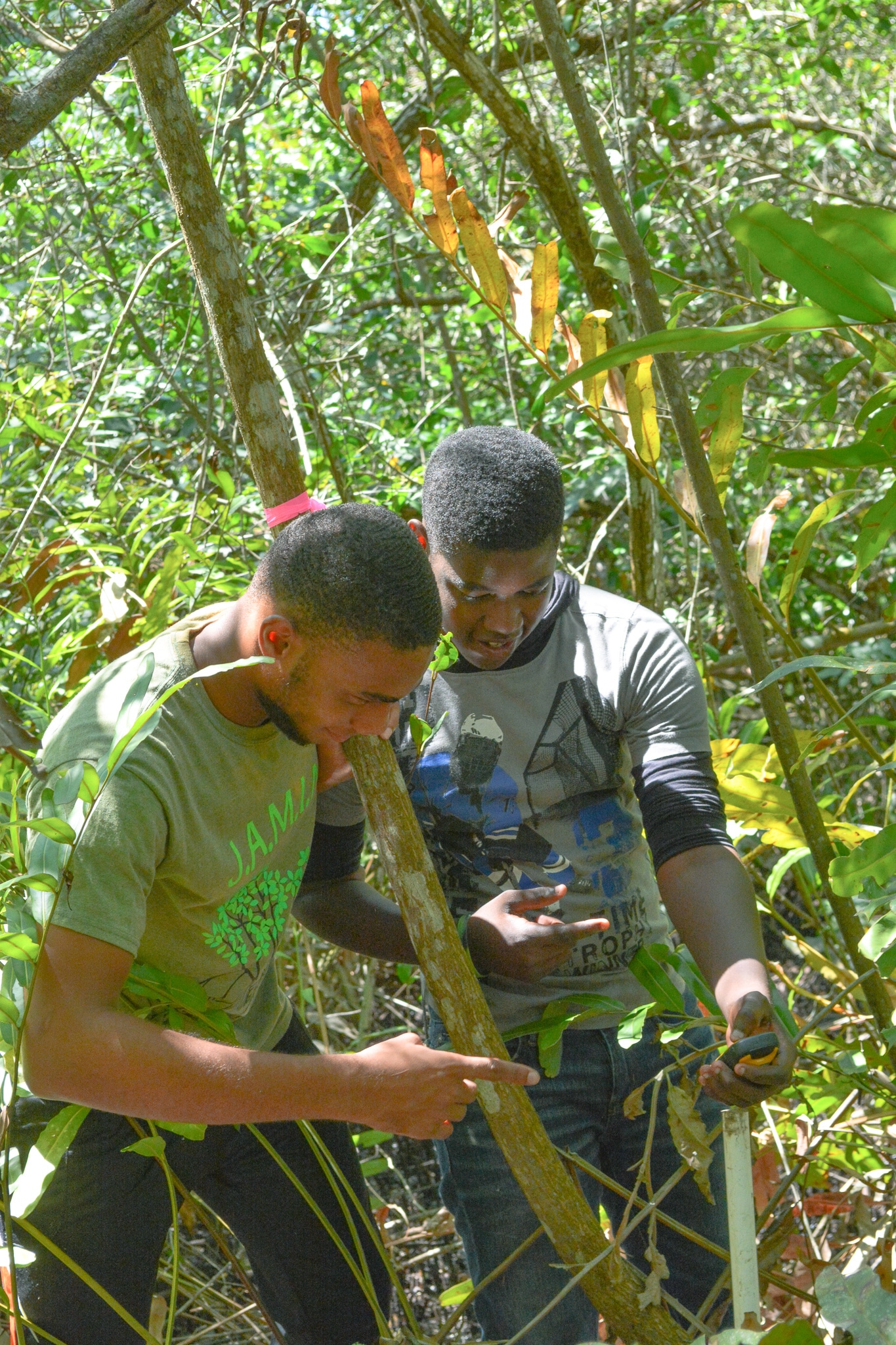
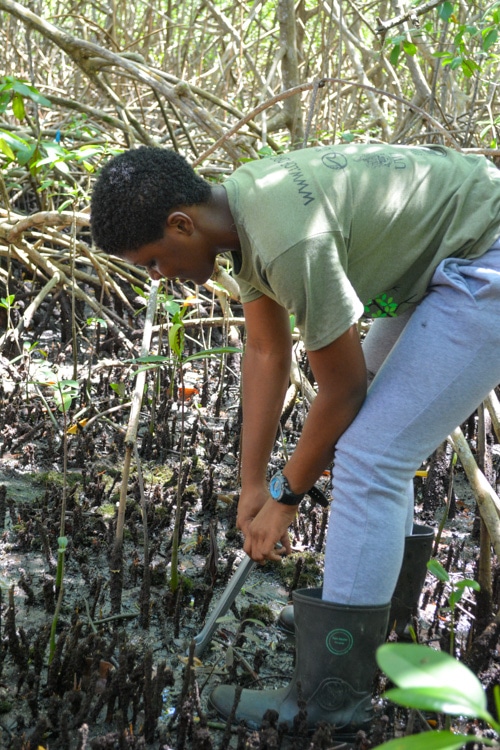
We have been conducting this disease investigation in our B.A.M. and J.A.M.I.N. programs since the 2017-2018 academic year. Through our programs, we have found the presence of the disease-causing fungus in Abaco, The Bahamas and Falmouth, Jamaica. Our J.A.M.I.N. students were about to discover if it was also present in Port Antonio, Jamaica. They were the first ones to investigate the presence of mangrove disease in this region.
Stay tuned to find out the results of the students’ mangrove disease investigation.