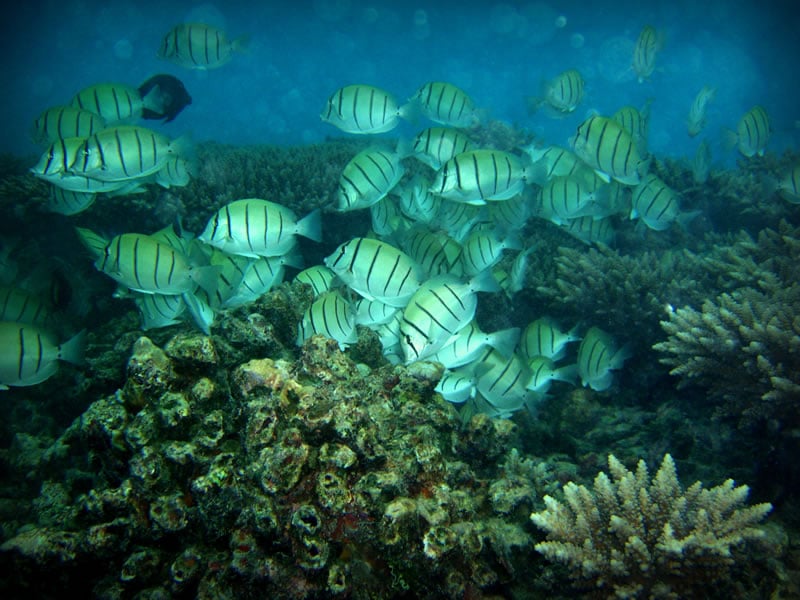
Our second research mission of 2015 took the Global Reef Expedition to the British Indian Ocean Territory (BIOT), a small island chain in the Indian Ocean and home to some of the most remote, and pristine, coral reefs on Earth – 95% of which have yet to be explored. Our work here consists of coral reef surveys and high resolution mapping of reefs in the Chagos archipelago, all of which are part of the Chagos Marine Reserve, the largest no-take marine protected area on earth. Representatives from Woods Hole Oceanographic Institution (WHOI), Nova Southeastern University, and the Chagos Conservation Trust will join our core science team on this mission.
From Dialogue to Action: Ocean Foundations Gather in Stockholm
What can philanthropy accomplish when foundations working across ocean science, conservation, and sustainable development come together around a shared purpose?
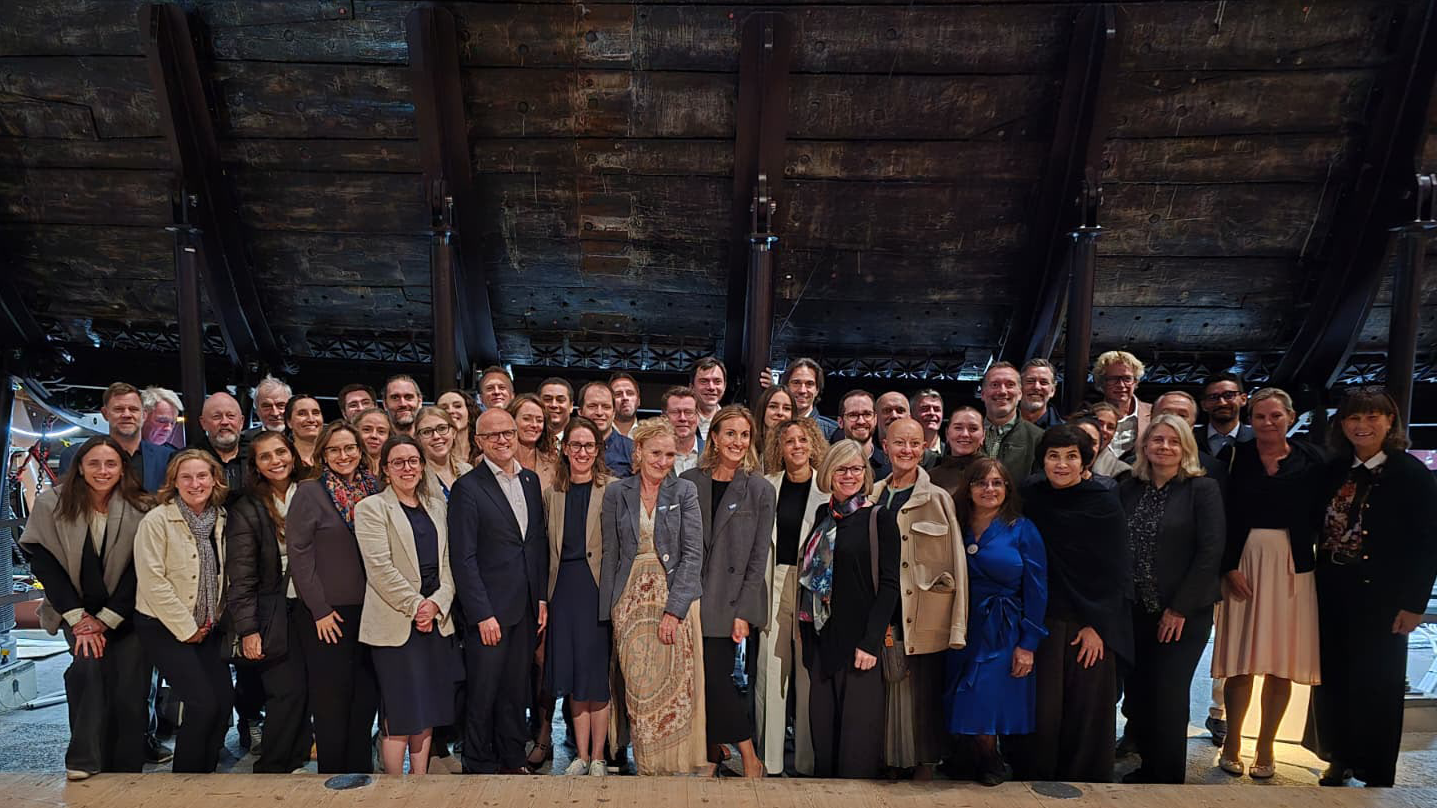
That question was at the heart of the 6th UN Ocean Decade Foundations Dialogue, held September 7–9 in Stockholm, Sweden. The Khaled bin Sultan Living Oceans Foundation joined philanthropic organizations from around the world for three days of discussion, collaboration, and planning focused on accelerating progress during the second half of the UN Decade of Ocean Science for Sustainable Development.
Facilitated by UNESCO’s Intergovernmental Oceanographic Commission (IOC), the UN Ocean Decade Foundations Dialogue is a growing network of more than 30 philanthropic organizations committed to advancing ocean science, collaboration, and action. Since its creation within the framework of the Ocean Decade, the Dialogue has provided foundations with a space to exchange ideas, develop partnerships, and explore how philanthropy can help advance a healthy and resilient ocean.
Hosted by the Voice of the Ocean Foundation (VOTO), this year’s gathering began with From Depth to Action, an Opening Forum that brought nearly 100 leaders from the Swedish and international ocean community together at…