
search-icon
2009 Annual Report

2009 Annual Report of the Khaled bin Sultan Living Oceans Foundation
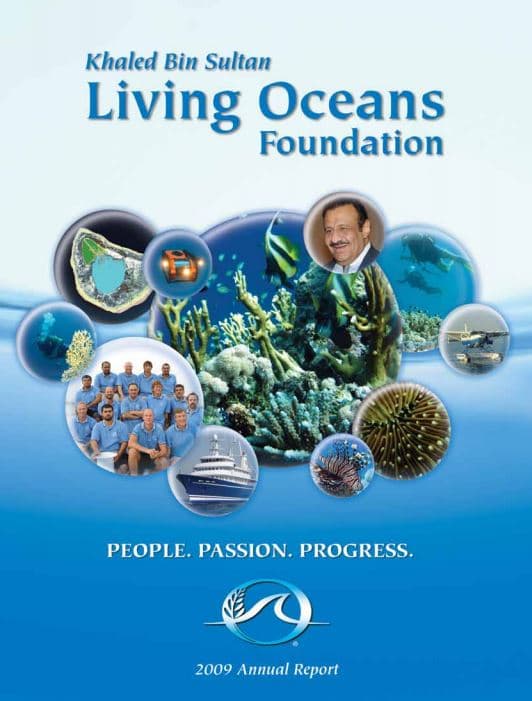
LOF_Annual-Report_09_FINAL

The theme for our 2009 annual report is “People, Passion, Progress.” That slogan truly captures the essence of the Khaled bin Sultan Living Oceans Foundation. Given our scientific nature, I converted that slogan into an equation for success: People + Passion = Progress. It’s an equation that works well for us. We have a small, dedicated, passionate staff at the Living Oceans Foundation headquarters, but the success of our operations is vastly increased through our large network of affiliates. Our extended team of scientists provides resources, capabilities, and capacity, which add great value to our mission.

The operational highlight of 2009 was our successful research expedition to the Farasan Banks: a rich coral reef ecosystem in the Red Sea, offshore of the Saudi Arabian coast. Science Without Borders® was embodied by this expedition. We mobilized coral reef scientists from Saudi Arabia, Australia, USA, UK, Austria, and Egypt to work in unison aboard the M/Y Golden Shadow research ship towards the common goal of mapping and characterizing this remote reef system. The expedition marked the conclusion of our rewarding four-year research program in the Red Sea and our hope is that the results of our work will have a positive influence on the conservation policies of tomorrow. It has been said that when one door closes, another one opens. With that perspective, the conclusion of our Red Sea program heralds a new phase of operations for the Living Oceans Foundation—the Global Reef Expedition: Science Without Borders® program. Over the coming years, we will circumnavigate the globe aboard the M/Y Golden Shadow on an ambitious scientific expedition to study coral reef resilience and assist many countries with their coral reef conservation efforts.

People, Passion, and Progress were in abundance during our inaugural Fellowship Development program held at the Glovers Reef Research Station in Belize. Our Fellowship program gives competitive graduate students and post-grads the opportunity to reach their goal of becoming a marine scientist. It also helps us achieve our operational goals by increasing the Foundation’s research capabilities. Each Fellow’s research topic is directly aligned with our operational objectives. It’s a win-win situation. We are fortunate to have an amazing group of aspiring marine scientists enrolled in our Fellowship program.

Delve into this annual report to examine how we are contributing to the critical mission of conserving and restoring health to our vital oceans…
Related Posts

Meet IFAN: Helping Bring Navigate with Care to the Next Generation

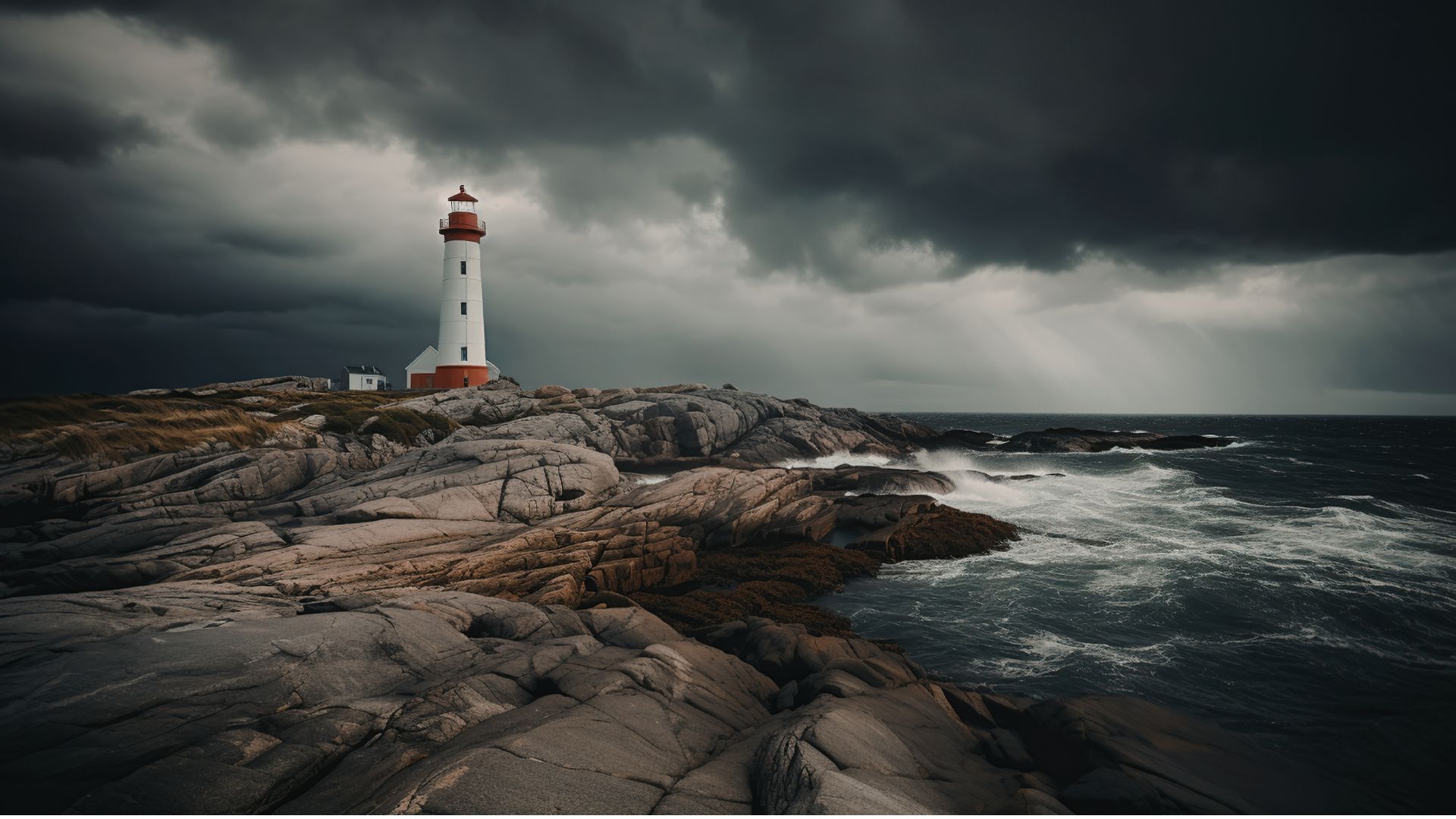
If you’ve ever seen a lighthouse flashing from the shore or a brightly colored buoy bobbing in the water, you’ve seen Aids to Navigation at work.

Aids to Navigation, often called AtoNs, help mariners navigate safely. They can mark channels, warn of hazards, help vessels determine their position, and provide other information people need to make safe decisions on the water. Around the world, these systems help guide everything from small recreational boats to large commercial or container ships. 

But safe navigation isn’t only about protecting vessels and the people aboard them. The choices mariners make can also affect the animals and ecosystems beneath and around them.

That connection between maritime safety and ocean conservation is at the heart of this year’s Science Without Borders® Challenge—and of our partnership with this year’s theme sponsor, the International Foundation for Aids to Navigation (IFAN).

Read More
OceanImageBank_TheOceanAgency_Bleaching_16-scaled-1

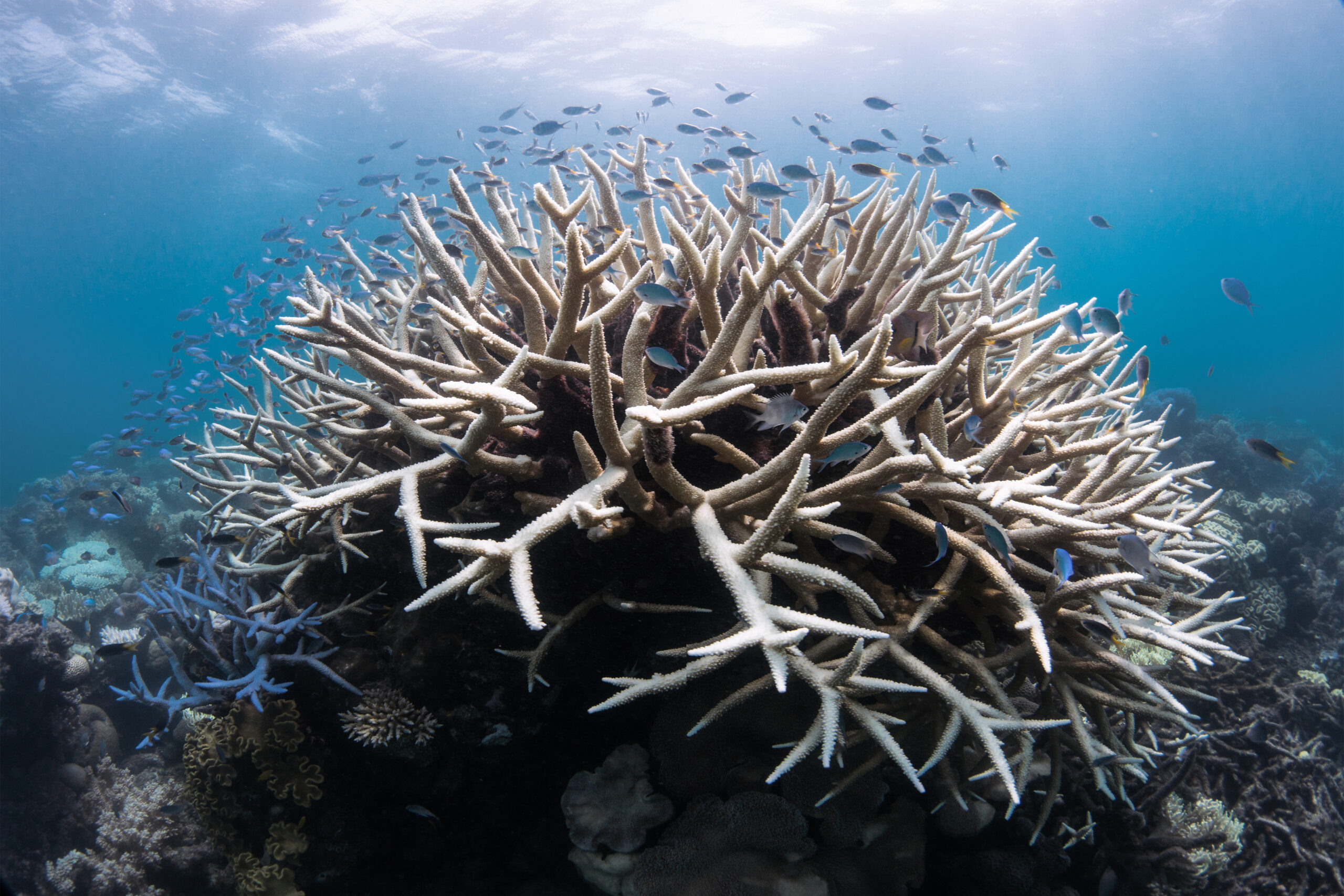
Coral Bleaching Awareness Month: Giving Coral Reefs a Chance to Recover

For hundreds of millions of years, coral reefs have supported life in our oceans. Although they cover less than 1% of the ocean floor, they provide habitat for at least 25% of all marine species. They also support people around the world by sustaining fisheries and tourism, providing food and livelihoods, and helping protect coastlines from waves and storms.

But coral reefs are under increasing pressure. Pollution, overfishing, coastal development, physical damage, and increasingly warm ocean temperatures can all affect reef health. One of the most visible signs that a coral reef is under stress is coral bleaching.

This September, in recognition of Coral Bleaching Awareness Month, we’re taking a closer look at what happens when corals bleach, why bleaching matters, and what scientists around the world are doing to better understand, protect, and restore coral reefs.

Read More
Privacy Overview

This website uses cookies so that we can provide you with the best user experience possible. Cookie information is stored in your browser and performs functions such as recognising you when you return to our website and helping our team to understand which sections of the website you find most interesting and useful.  You can view our complete Privacy Policy here.

Strictly Necessary Cookies

Most of our cookies are used to improve website security and reduce spam. These cookies should be enabled at all times. They also enable us to save your preferences for cookie settings.

3rd Party Cookies

This website uses Google Analytics to collect anonymous information such as the number of visitors to the site, and the most popular pages. Keeping this cookie enabled helps us to improve our website.