
search-icon
2017 Annual Report

Throughout 2017, the Foundation Staff completed the arduous task of cataloguing and quality-controlling the “big-data” we collected during the Global Reef Expedition field work component (2011-2015).  In collaboration with the University of Miami (RSMAS), we have embarked on a scientific path to model “potential resilience” of the coral reefs around the globe surveyed during the Global Reef Expedition.  Coral reefs that are “resilient” can absorb stressors such as warming events and tropical storms, recover quickly and continue to be healthy and productive.  Measuring ecosystem resilience typically would entail careful long-term monitoring before and after disturbance events.  More expediently, scientists believe that we can measure certain variables that serve as good proxies for predicting the potential of a coral reef to be resilient.  Our scientific probing of the “big data” has commenced with Fiji as a test case.  Once we perfect the scientific methodology in that small region, we will begin to scale it to our entire global dataset.  If successful, the result will be a map of “potential resilience” across 15 countries around the globe that will be an invaluable guide to inform conservation efforts.
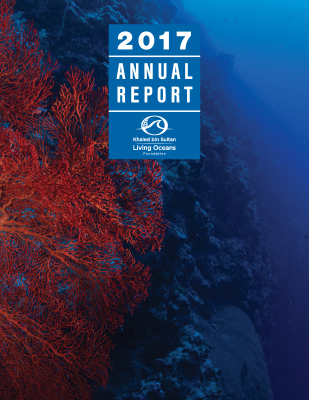
LOF Annual Report 2017 Cover_Page_1

We are very proud of the success enjoyed from the Foundation’s first full year of operating our Education Portal.  It is an award-winning, online resource being used around the world to reinforce STEM learning.  Teachers can search on a standard they want to teach and be rewarded with turn-key lesson plans, vocabulary, quizzes and so many more engaging materials to stimulate students’ desire to learn.   We also had great success with our immersive hands-on Caribbean STEM education programs based on mangrove science.  The Foundation is enthusiastically supported in the Bahamas and Jamaica through our STEM out-of-classroom education programs.  Once a student collects a mangrove propagule (seedpod), grows it, measures it, graphs its growth progress, and plants it back in the mangrove forest, s/he will never forget the science, technology, engineering and math fundamentals learned throughout that hands-on experience.  There is no better way to educate youth in our opinion.

Finally, our Communications team enjoyed great acclaim through the success of our film that we co-produced with the Smithsonian Channel.   An Ocean Mystery: The Missing Catch won  many awards from national and international film festivals. 

By all accounts, 2017 was an extremely successful and productive year for the Khaled bin Sultan Living Oceans Foundation.
Related Posts

Meet IFAN: Helping Bring Navigate with Care to the Next Generation

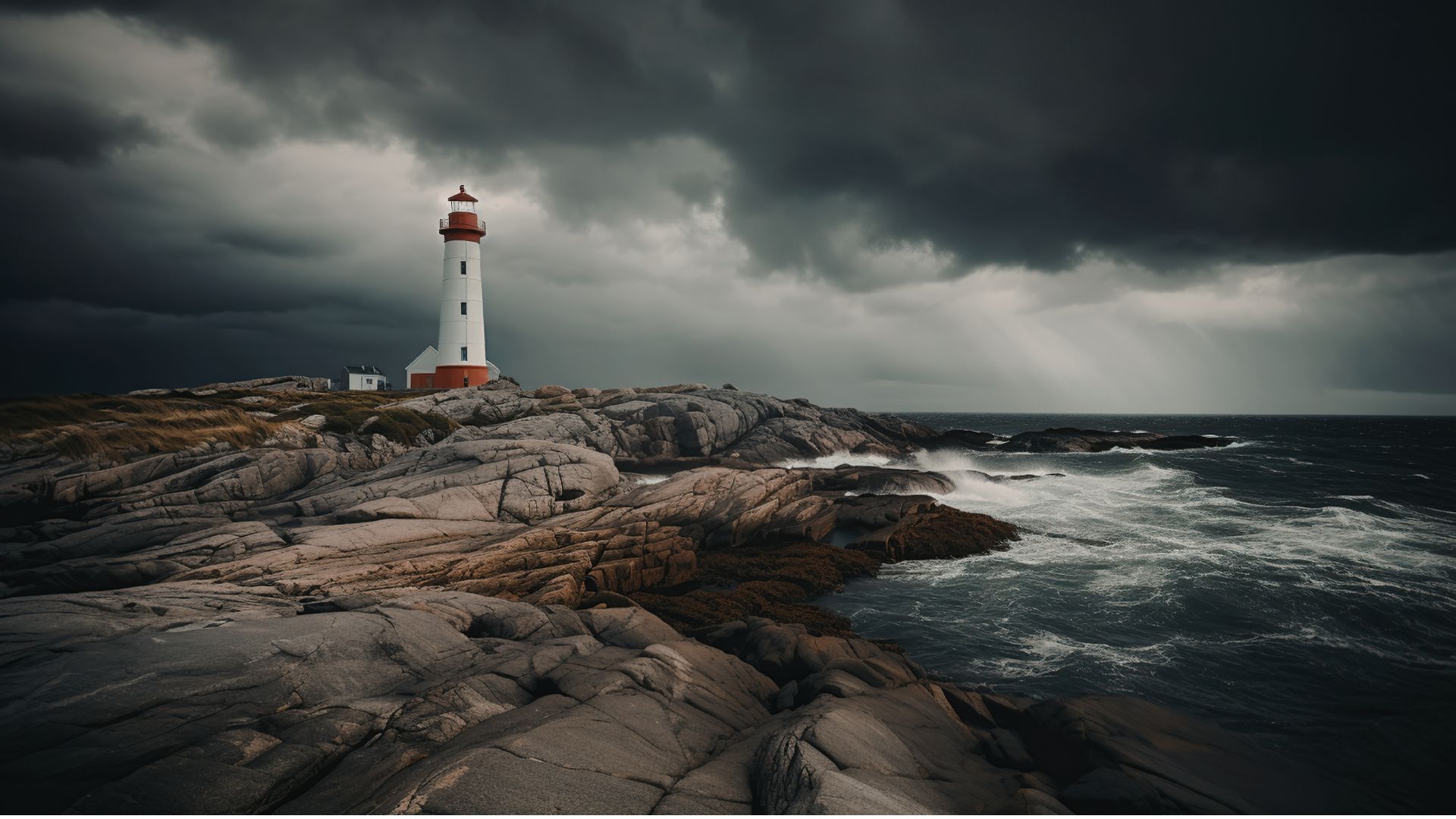
If you’ve ever seen a lighthouse flashing from the shore or a brightly colored buoy bobbing in the water, you’ve seen Aids to Navigation at work.

Aids to Navigation, often called AtoNs, help mariners navigate safely. They can mark channels, warn of hazards, help vessels determine their position, and provide other information people need to make safe decisions on the water. Around the world, these systems help guide everything from small recreational boats to large commercial or container ships. 

But safe navigation isn’t only about protecting vessels and the people aboard them. The choices mariners make can also affect the animals and ecosystems beneath and around them.

That connection between maritime safety and ocean conservation is at the heart of this year’s Science Without Borders® Challenge—and of our partnership with this year’s theme sponsor, the International Foundation for Aids to Navigation (IFAN).

Read More
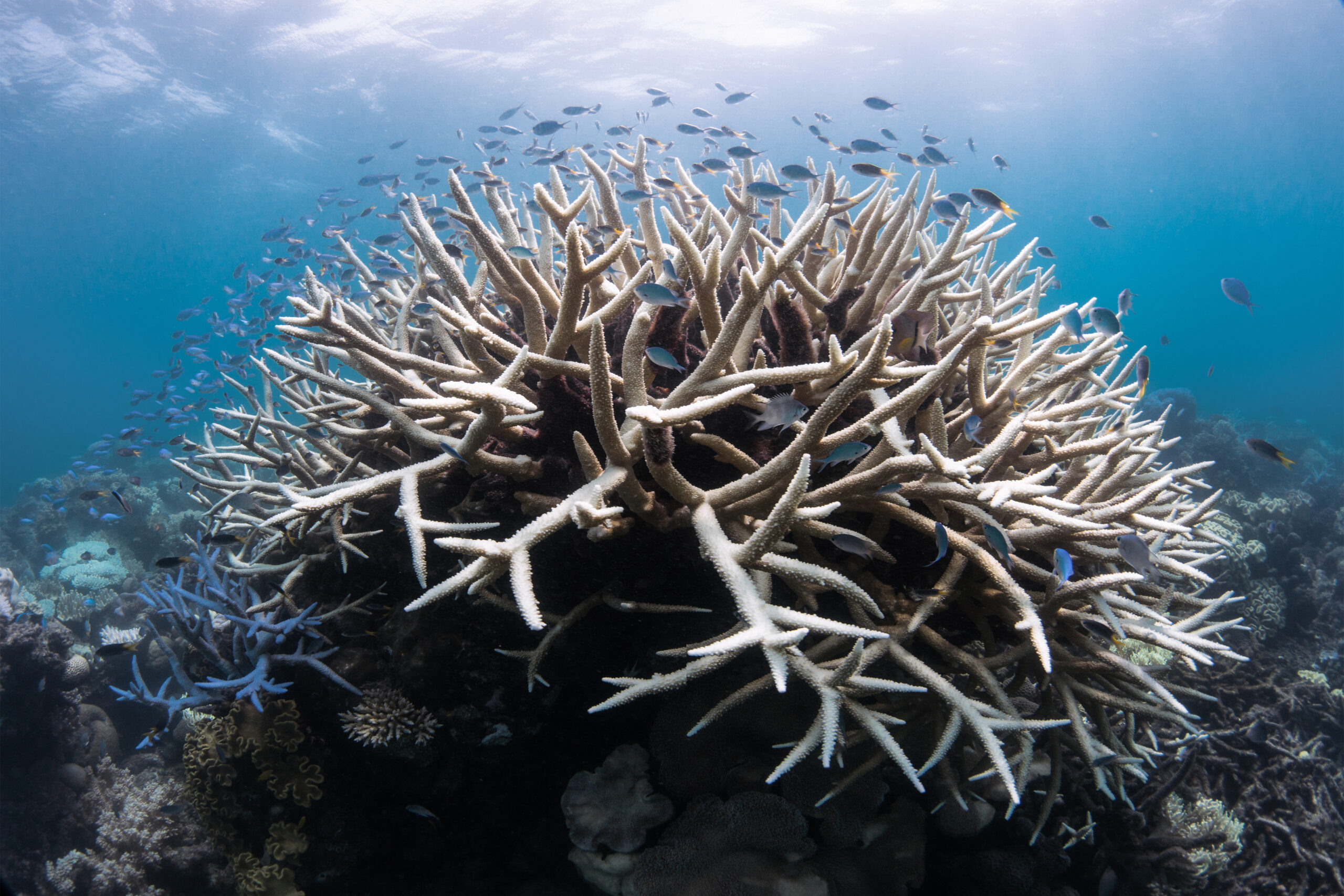
OceanImageBank_TheOceanAgency_Bleaching_16-scaled-1

Coral Bleaching Awareness Month: Giving Coral Reefs a Chance to Recover

For hundreds of millions of years, coral reefs have supported life in our oceans. Although they cover less than 1% of the ocean floor, they provide habitat for at least 25% of all marine species. They also support people around the world by sustaining fisheries and tourism, providing food and livelihoods, and helping protect coastlines from waves and storms.

But coral reefs are under increasing pressure. Pollution, overfishing, coastal development, physical damage, and increasingly warm ocean temperatures can all affect reef health. One of the most visible signs that a coral reef is under stress is coral bleaching.

This September, in recognition of Coral Bleaching Awareness Month, we’re taking a closer look at what happens when corals bleach, why bleaching matters, and what scientists around the world are doing to better understand, protect, and restore coral reefs.

Read More
Privacy Overview

This website uses cookies so that we can provide you with the best user experience possible. Cookie information is stored in your browser and performs functions such as recognising you when you return to our website and helping our team to understand which sections of the website you find most interesting and useful.  You can view our complete Privacy Policy here.

Strictly Necessary Cookies

Most of our cookies are used to improve website security and reduce spam. These cookies should be enabled at all times. They also enable us to save your preferences for cookie settings.

3rd Party Cookies

This website uses Google Analytics to collect anonymous information such as the number of visitors to the site, and the most popular pages. Keeping this cookie enabled helps us to improve our website.