
search-icon
Lamellodiscus (Monogenea: Diplectanidae) Parasites of Dentex macrophthalmus (Teleostei: Sparidae) From the North Atlantic Coast of Africa, With a Redescription of L. dentexi Aljoshkina, 1984, and Description of Three New Species

Lamellodiscus (Monogenea: Diplectanidae) Parasites of Dentex macrophthalmus (Teleostei: Sparidae) From the North Atlantic Coast of Africa, With a Redescription of L. dentexi Aljoshkina, 1984, and Description of Three New Species

Lamellodiscus dentexi Aljoshkina, 1984, a gill parasite of Dentex macrophthalmus (Bloch), is redescribed based on new material from the northwest coast of Africa (Senegal and Morocco). Three new species of Lamellodiscus Johnston et Tiegs, 1922 from D. macrophthalmus are described, Lamellodiscus toguebayei sp. n., L. vicinus sp. n., and L. triacies sp. n., all belonging to the “ignoratus” group. They can be distinguished from all other species of this group by the size and shape of male copulatory organ and sclerotised parts of the haptor. Considering the peculiar morphology of the male copulatory organ (long and thin tube) we propose to put together L. dentexi, L. virgula Euzet et Oliver, 1967 and L. obeliae Oliver, 1973 to form the “elongatus” type within the “elegans” group.

Lamellodiscus Johnston et tiegs, 1922 (Monogenea:Diplectanidae) is currently composed of 52 described spe- cies (Euzet and oliver 1967, Kritsky et al. 2000, amine and Euzet 2005, amine et al. 2006, 2007, Neifar 2008, Boudaya et al. 2009, Justine and Briand 2010) that have been mainly studied in sparids. Sparid fishes consist of approximately 115 species in 33 genera that are broadly distributed in tropical and temperate coastal waters (Nel- son 2006). Diplectanids often show strict host-specificity (oliver 1992); thus, it is a safe prediction that many other species of Lamellodiscus are still undescribed (Poulin and Mouillot 2005, Justine 2007).

Along the atlantic coast of africa, 29 species of spari-dae are reported (Quéro et al. 1990) on which only seven Lamellodiscus species have been described: L. dentexi aljoshkina, 1984 from the large-eye dentex Dentex mac- rophthalmus (Bloch) by aljoshkina (1984); L. elegans Bychowsky, 1957, L. ergensi Euzet et oliver, 1966 and L. ignoratus Palombi, 1949 reported from the white sea- bream Diplodus sargus cadenati de la Paz, Bauchot et Daget by Justine (1985); and L. sarculus and L. sigillatus from Pagrus caeruleostictus (Valenciennes) and L. rastel-lus from Pagrus auriga (Valenciennes) described by Nei-far et al. (2004).

Collections of D. macrophthalmus from the coast of senegal near Dakar during February 2009, and from off rabat, Morocco during april 2009, revealed, in addition to L. dentexi, three species of Lamellodiscus that are new to science. the purpose of this paper is to provide a redescription of L. dentexi and descriptions of three new species.
Related Posts

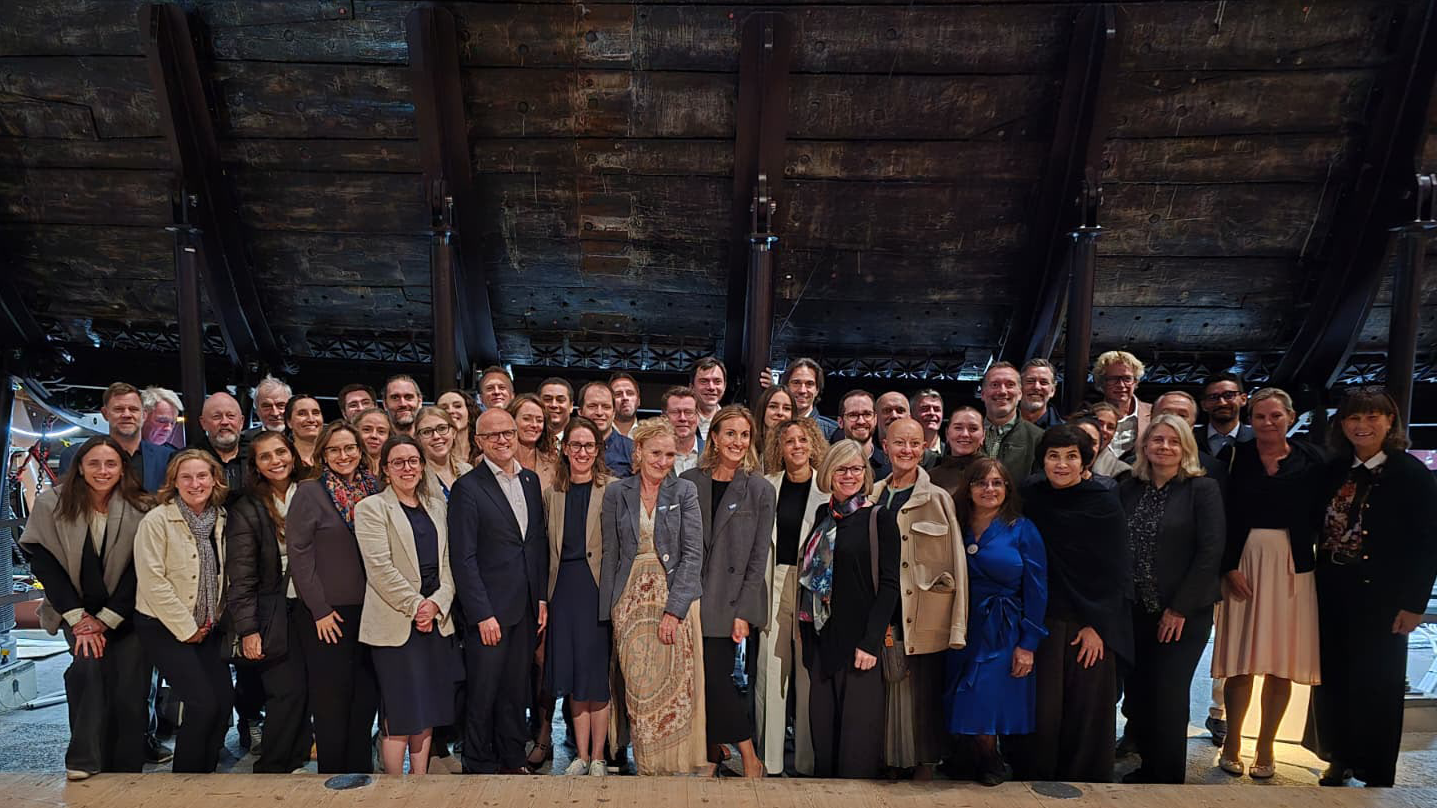
From Dialogue to Action: Ocean Foundations Gather in Stockholm

What can philanthropy accomplish when foundations working across ocean science, conservation, and sustainable development come together around a shared purpose?

That question was at the heart of the 6th UN Ocean Decade Foundations Dialogue, held September 7–9 in Stockholm, Sweden. The Khaled bin Sultan Living Oceans Foundation joined philanthropic organizations from around the world for three days of discussion, collaboration, and planning focused on accelerating progress during the second half of the UN Decade of Ocean Science for Sustainable Development.

Facilitated by UNESCO’s Intergovernmental Oceanographic Commission (IOC), the UN Ocean Decade Foundations Dialogue is a growing network of more than 30 philanthropic organizations committed to advancing ocean science, collaboration, and action. Since its creation within the framework of the Ocean Decade, the Dialogue has provided foundations with a space to exchange ideas, develop partnerships, and explore how philanthropy can help advance a healthy and resilient ocean.

Hosted by the Voice of the Ocean Foundation (VOTO), this year’s gathering began with From Depth to Action, an Opening Forum that brought nearly 100 leaders from the Swedish and international ocean community together at…

Read More

Meet IFAN: Helping Bring Navigate with Care to the Next Generation

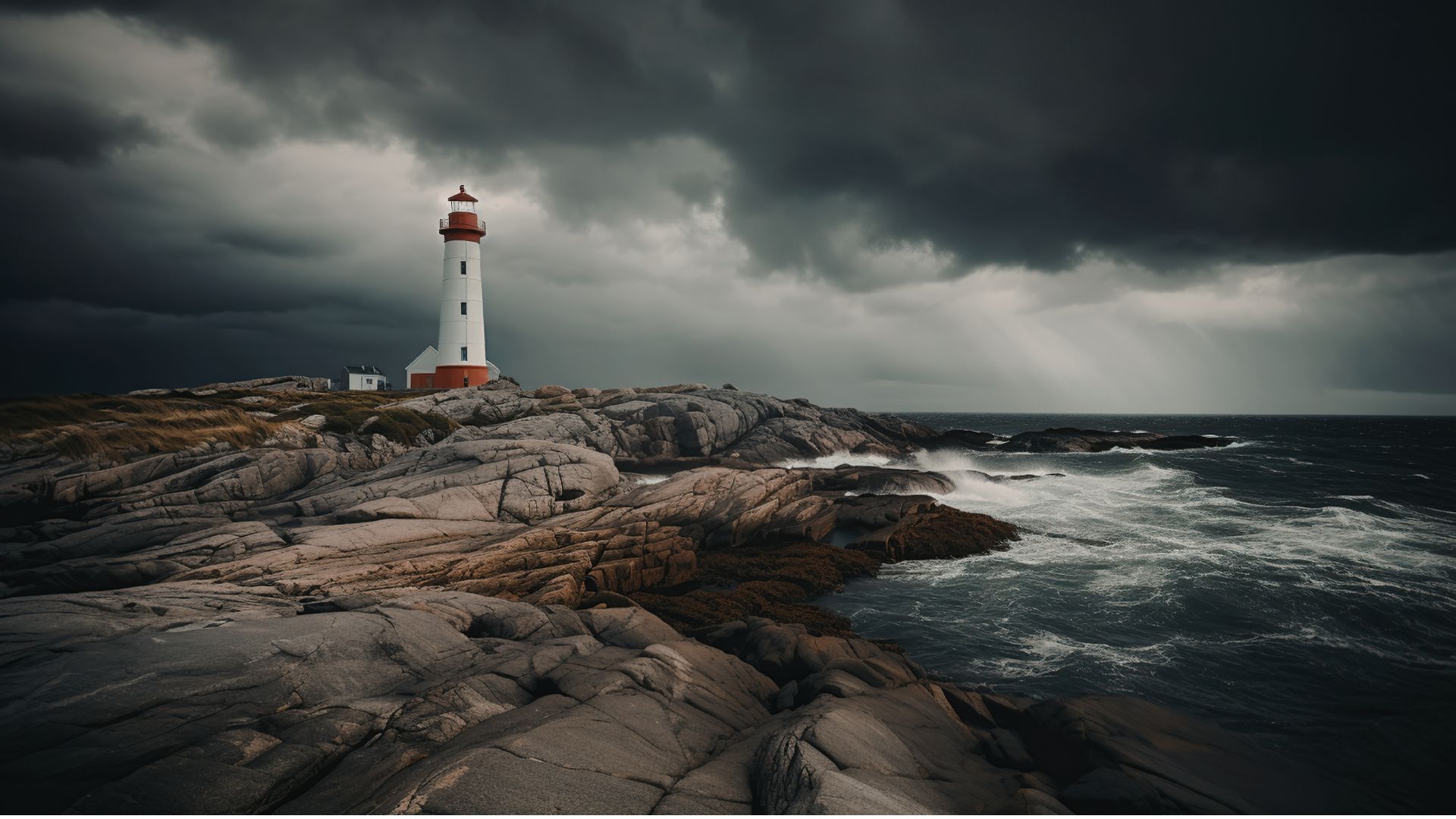
If you’ve ever seen a lighthouse flashing from the shore or a brightly colored buoy bobbing in the water, you’ve seen Aids to Navigation at work.

Aids to Navigation, often called AtoNs, help mariners navigate safely. They can mark channels, warn of hazards, help vessels determine their position, and provide other information people need to make safe decisions on the water. Around the world, these systems help guide everything from small recreational boats to large commercial or container ships. 

But safe navigation isn’t only about protecting vessels and the people aboard them. The choices mariners make can also affect the animals and ecosystems beneath and around them.

That connection between maritime safety and ocean conservation is at the heart of this year’s Science Without Borders® Challenge—and of our partnership with this year’s theme sponsor, the International Foundation for Aids to Navigation (IFAN).

Read More
Privacy Overview

This website uses cookies so that we can provide you with the best user experience possible. Cookie information is stored in your browser and performs functions such as recognising you when you return to our website and helping our team to understand which sections of the website you find most interesting and useful.  You can view our complete Privacy Policy here.

Strictly Necessary Cookies

Most of our cookies are used to improve website security and reduce spam. These cookies should be enabled at all times. They also enable us to save your preferences for cookie settings.

3rd Party Cookies

This website uses Google Analytics to collect anonymous information such as the number of visitors to the site, and the most popular pages. Keeping this cookie enabled helps us to improve our website.