search-icon
Tonga Time – Third Time’s a Charm

Expedition Log: Tonga – Day 1

Malo e lelei! This means hello in Tongan. I’m very happy to announce that I just arrived in the Kingdom of Tonga. This island nation consists of over 170 islands and it is located in the South Pacific approximately 1,500 miles northeast of New Zealnd. It consists of three different island groups: Vava’u, Ha’apai, and Tongatapu. I’ve returned to Vava’u for the third installment of Tongan coral reef education.

In September 2013, the Foundation conducted Tongan coral reef education and research, while on the Global Reef Expedition. We mapped areas around Tonga and conducted coral reef surveys. Additionally, we taught school children, communities, government officials, and tourists about coral reefs. We reached just over 2,300 people.
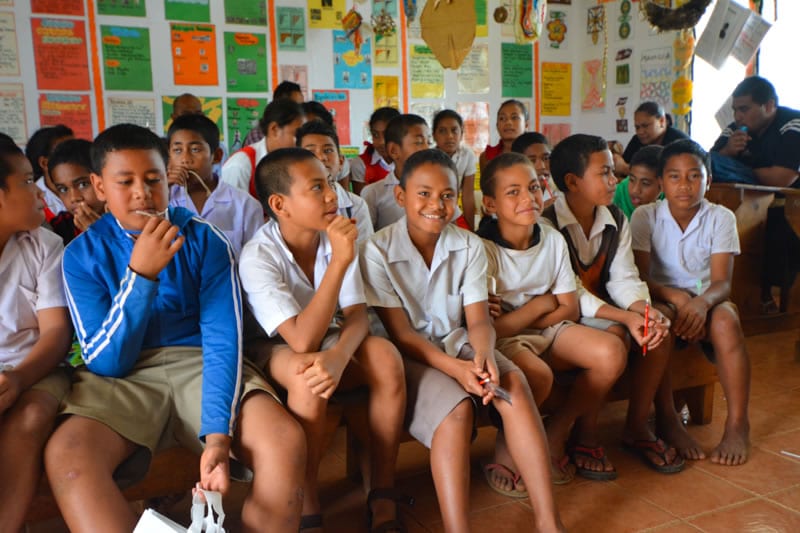
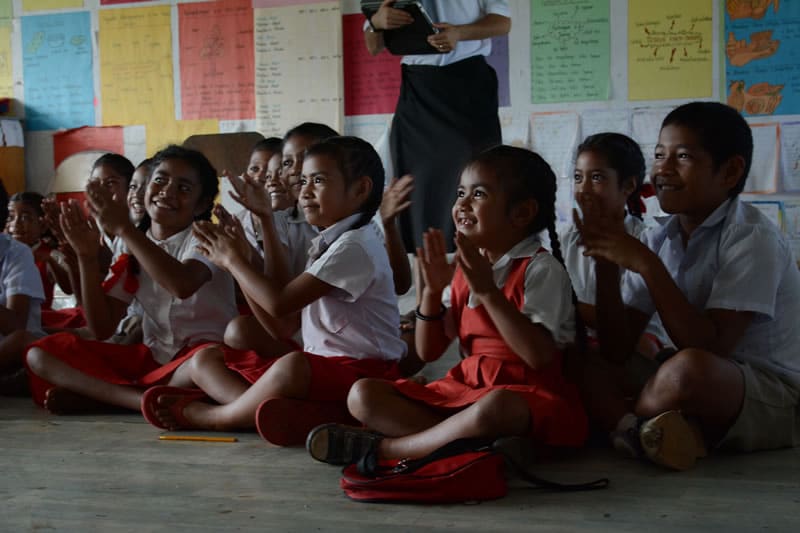
Tongan Coral Reef Education Tongan primary school students at Koloa learning about coral reefs
Students at Government Primary School Liviela and Koloa learning about coral reefs in Tonga.

We returned to Vava’u in June 2014 to conduct education and fisheries science research. We also created two films about the work that we did in Tonga: Education on the Road and Fishing for the Future.

During this trip, we delved into education research, a first for the Foundation. During this pilot program, we conducted educational seminars about coral reefs in nine schools and at a variety of grade levels. Before and after the presentation, we conducted surveys with students. The student surveys were designed to determine the effectiveness of our education seminars and videos, assess attitudes towards coral reefs, and measure knowledge retention.
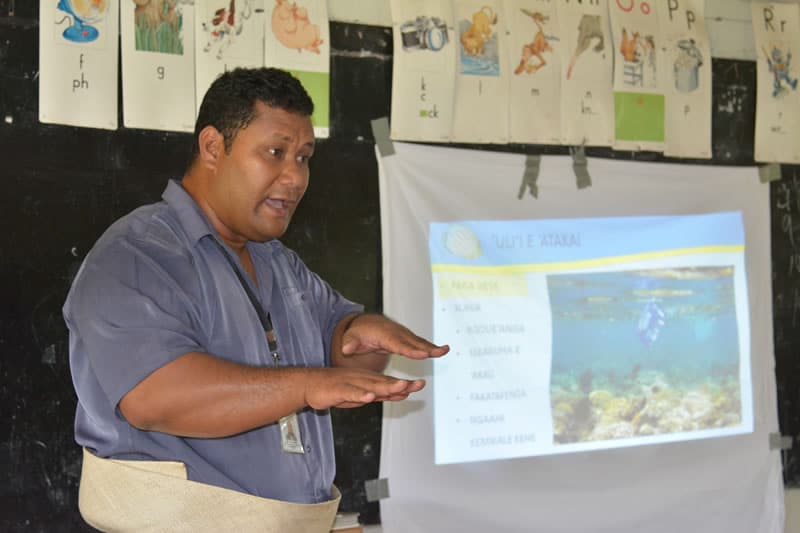
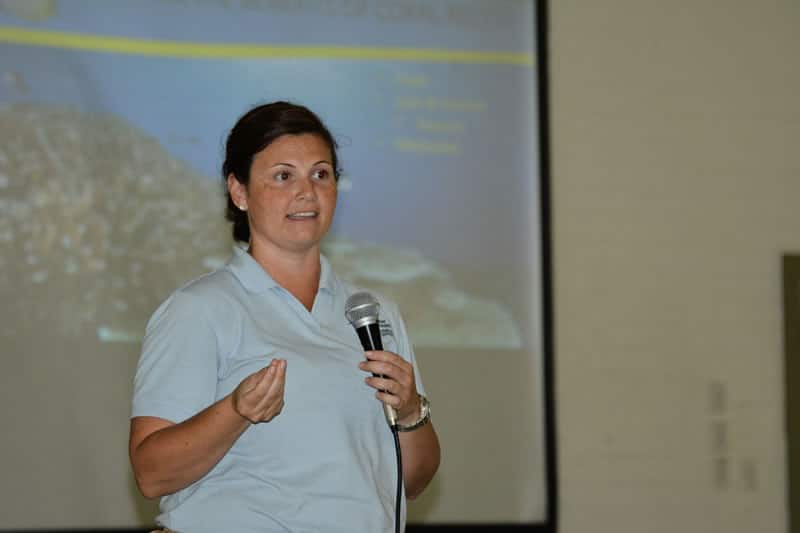
Apai Moala presenting Tongan coral reef education seminars at local schools Amy Heemsoth presenting Tongan coral reef education seminars in local schools
‘Apai Moala and Amy Heemsoth presenting coral reef education seminars in Vava’u schools.

Additionally, teachers filled out needs assessments. This survey will determine basic demographic information, the types of resources teachers have and need in order to teach about coral reefs, comfort level teaching various topics regarding coral reefs, and training that they would like to have in regards to coral reefs.

On our current trip, we are going to conduct knowledge retention and action surveys in Vava’u with the same students that we taught in 2014. This information will help us to understand whether students are retaining the information from the previous coral reef seminars and determine if they have changed their actions that may harm coral reefs.
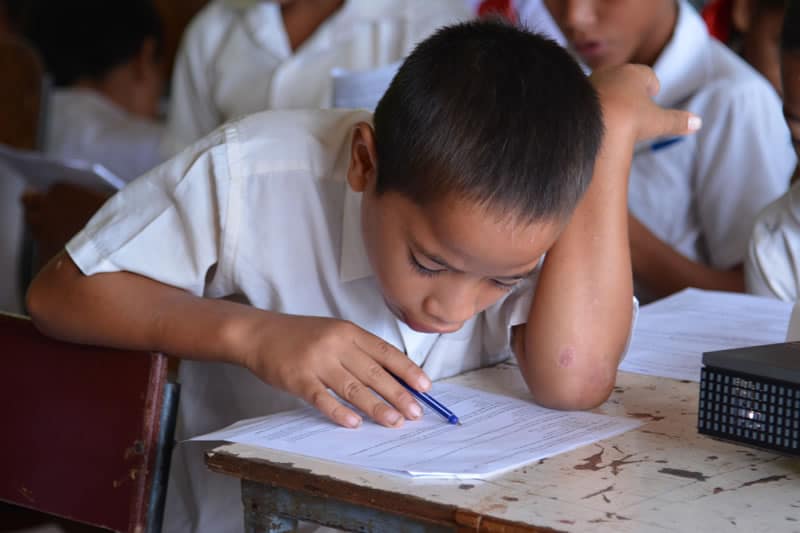
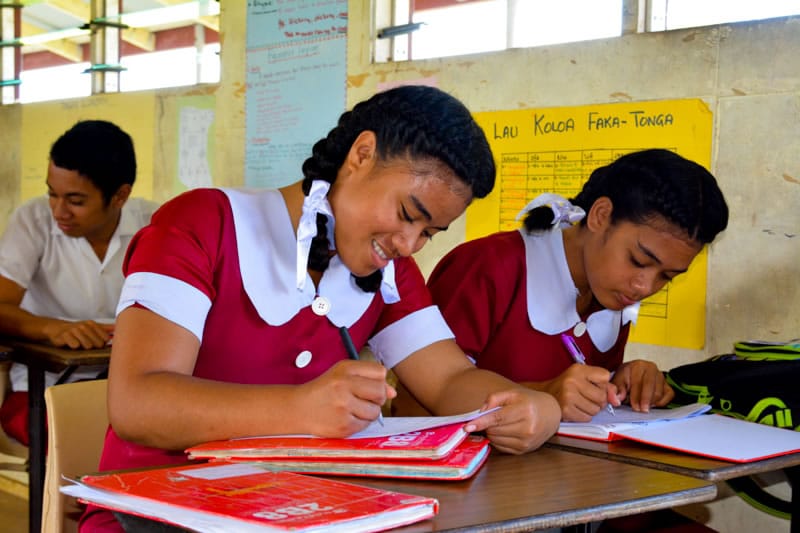
 Tongan primary school students taking coral reef education survey Tongan secondary school students taking coral reef education survey2
Students at Government Primary School Neiafu (left) and Mizpah Adventist High School (right) taking pre-assessment survey.

Once we have collected this last bit of information, we will be able to analyze the data collected from the 2014 and 2015 trips. This information will help us to determine how we can help to bring coral reef education to Tonga.

In order to carry out our mission, we are continuing our three-year partnership with local government ministries and NGO’s. While in Tongatapu, we will meet with ministry offices to determine the next steps of the project and how we can further Tongan coral reef education and conservation efforts.


Photos by Amy Heemsoth & Toni Saul
 

Related Posts

Introducing Our New Website: A Fresh Look for the Foundation’s Future

As we celebrate the Khaled bin Sultan Living Oceans Foundation’s 25th anniversary, we are proud to unveil our newly redesigned website—a modern home for our science, conservation work, and educational programs. This launch marks an important moment for the Foundation as we honor our long history and look toward the future of ocean conservation.

For more than two decades, the Foundation has worked tirelessly to improve the health of our living oceans. We have advanced ocean science, led one of the largest coral reef research missions in history, restored mangrove forests with local communities, created award-winning education programs, and shared the wonders of the ocean with people around the world. Our new website reflects the organization we are today—focused on conserving coral reefs, restoring mangrove forests, and improving ocean literacy—while still highlighting the legacy of work that brought us here.

The redesigned site…

Read More

Connecting People, Art, and Oceans: Championing Conservation at the 2025 IUCN Congress

The IUCN World Conservation Congress brings together thousands of leaders and decision-makers from governments, non-profit organizations, civil society, Indigenous groups, and the private sector to shape global conservation policy and action. This influential gathering serves as a platform to share knowledge, build partnerships, and advance initiatives that protect our planet’s biodiversity.

As a member of the International Union for Conservation of Nature (IUCN), the Khaled bin Sultan Living Oceans Foundation was honored to take part in the Congress, joining a global community of leaders, organizations, and changemakers committed to protecting nature and advancing sustainable futures.

Read More
Privacy Overview

This website uses cookies so that we can provide you with the best user experience possible. Cookie information is stored in your browser and performs functions such as recognising you when you return to our website and helping our team to understand which sections of the website you find most interesting and useful.  You can view our complete Privacy Policy here.

Strictly Necessary Cookies

Most of our cookies are used to improve website security and reduce spam. These cookies should be enabled at all times. They also enable us to save your preferences for cookie settings.

3rd Party Cookies

This website uses Google Analytics to collect anonymous information such as the number of visitors to the site, and the most popular pages. Keeping this cookie enabled helps us to improve our website.