search-icon
Totoya’s Sacred Qio

A cultural view of Totoya sharks written by the high chief.

As a young boy growing up Totoya, I recall that there were incidents of shark attacks on some of our villagers.  In our culture, this type of incident is an indication that the shark attack victim committed an offense against the traditional protocol of our people – the tabu. (For more about the meaning of the tabu read http://www.sciencewithoutborders.org/totoyas-sacred-marine-protected-area/). It’s our belief that qio or sharks represent our ancestral god “Dakuwaqa.” This tradition links us to other chiefly households in other provinces like Cakaudroven.
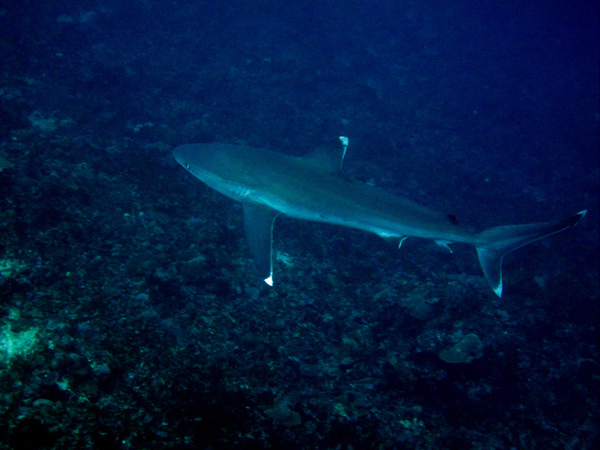
Totoya sharks
Silvertip shark, Carcharhinus albimarginatus

If someone misuses the sacred passage, Daveta Tabu, then there will be three ‘waves’ of warning. The first wave will rock the boat. The second will cause you to fall out of the boat. The final warning is a shark bite. We believe that the shark does not bite for food, nor does it tear away the flesh. They only leave teeth marks to warn that person of their misuse. A villager can avoid the second and third wave by taking the first wave as a warning or escape the third wave by heeding the warning of the second.

I tested the taboo one time myself to see if the tradition was true. The boat was immediately hit with a crashing wave. I took this as a warning and left the sacred area. This proved to me that the sacred area is guarded by the Totoya sharks and the other two waves.
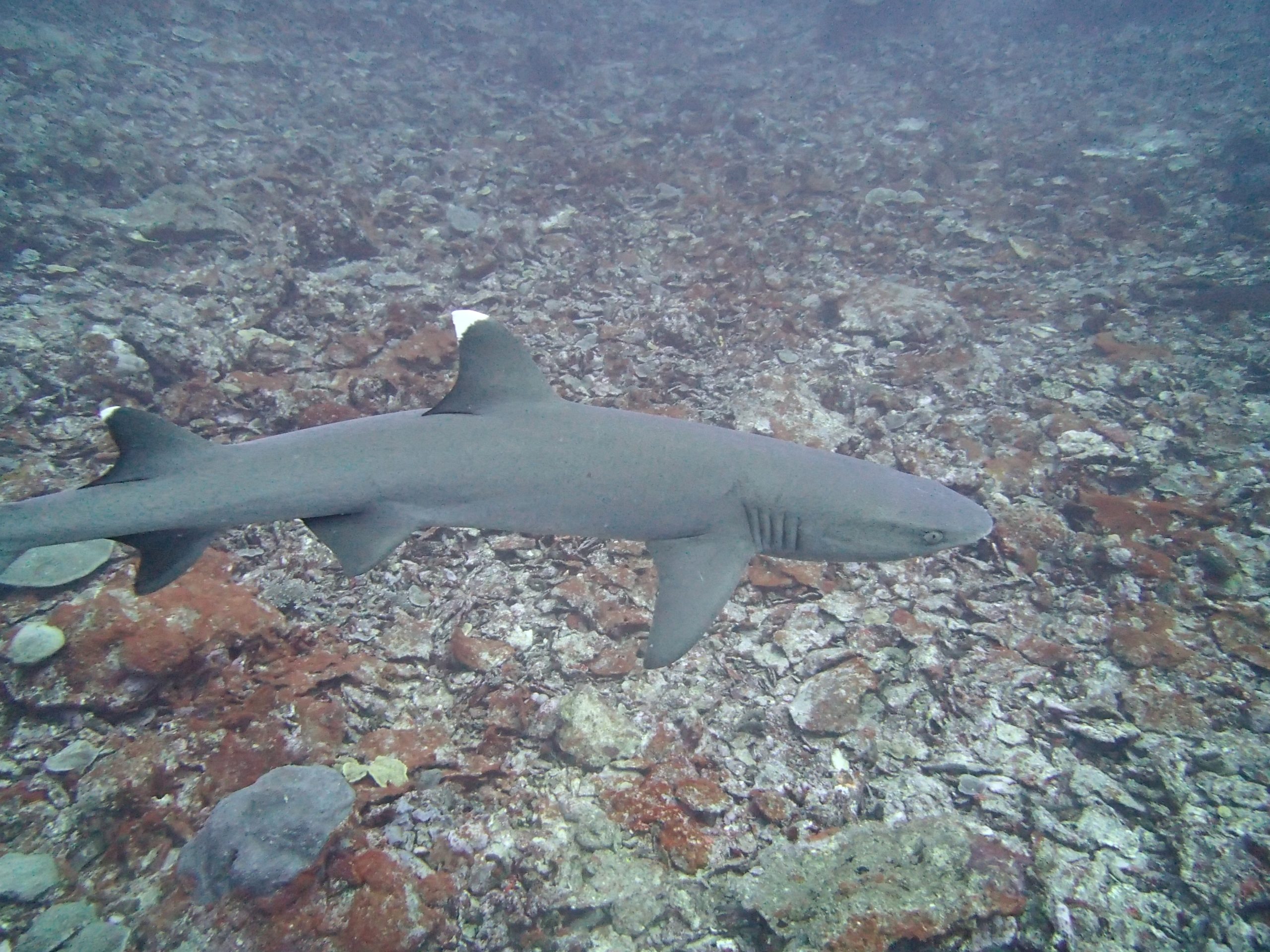
Whitetip reef shark, Triaenodon obesus

When someone is bit by a shark, they must reconcile with the village. The traditional means for reconciliation involves the presentation of kava or yaqona by the victim to his clan for any wrong doing against their traditional leader and protocol.

Even today, Totoya sharks are never caught for food because of the connection and respect that we have for them.  We believe that sharks are the keepers of our sacred passage, Daveta Tabu.
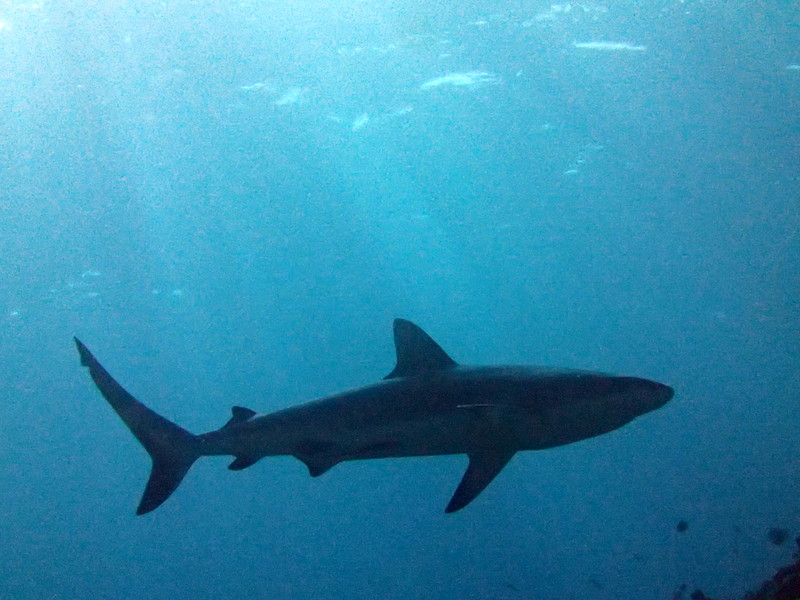
Gray reef shark, Carcharhinus amblyrhynchos

It’s sad to see that sharks are now being exploited in Fiji waters by overseas fishing companies. While on the Global Reef Expedition, I have learned the importance of sharks from a scientific point of view and how this also coincides with our cultural beliefs. We will continue to protect Totoya sharks for the sake of science and our culture.

Photos/Images by: 1 Stacy Jupiter; 2 Alex Dempsey; 3 Amy Heemsoth

To follow along and see more photos, please visit us on Facebook! 

Related Posts

Meet IFAN: Helping Bring Navigate with Care to the Next Generation

If you’ve ever seen a lighthouse flashing from the shore or a brightly colored buoy bobbing in the water, you’ve seen Aids to Navigation at work.

Aids to Navigation, often called AtoNs, help mariners navigate safely. They can mark channels, warn of hazards, help vessels determine their position, and provide other information people need to make safe decisions on the water. Around the world, these systems help guide everything from small recreational boats to large commercial or container ships. 

But safe navigation isn’t only about protecting vessels and the people aboard them. The choices mariners make can also affect the animals and ecosystems beneath and around them.

That connection between maritime safety and ocean conservation is at the heart of this year’s Science Without Borders® Challenge—and of our partnership with this year’s theme sponsor, the International Foundation for Aids to Navigation (IFAN).

Read More
OceanImageBank_TheOceanAgency_Bleaching_16-scaled-1

Coral Bleaching Awareness Month: Giving Coral Reefs a Chance to Recover

For hundreds of millions of years, coral reefs have supported life in our oceans. Although they cover less than 1% of the ocean floor, they provide habitat for at least 25% of all marine species. They also support people around the world by sustaining fisheries and tourism, providing food and livelihoods, and helping protect coastlines from waves and storms.

But coral reefs are under increasing pressure. Pollution, overfishing, coastal development, physical damage, and increasingly warm ocean temperatures can all affect reef health. One of the most visible signs that a coral reef is under stress is coral bleaching.

This September, in recognition of Coral Bleaching Awareness Month, we’re taking a closer look at what happens when corals bleach, why bleaching matters, and what scientists around the world are doing to better understand, protect, and restore coral reefs.

Read More
Privacy Overview

This website uses cookies so that we can provide you with the best user experience possible. Cookie information is stored in your browser and performs functions such as recognising you when you return to our website and helping our team to understand which sections of the website you find most interesting and useful.  You can view our complete Privacy Policy here.

Strictly Necessary Cookies

Most of our cookies are used to improve website security and reduce spam. These cookies should be enabled at all times. They also enable us to save your preferences for cookie settings.

3rd Party Cookies

This website uses Google Analytics to collect anonymous information such as the number of visitors to the site, and the most popular pages. Keeping this cookie enabled helps us to improve our website.