search-icon
Turn of the Tide
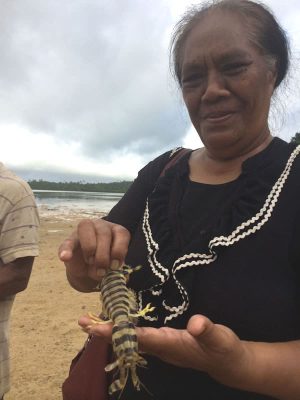
Silika meets us on the flat ground at low tide with something to show us.
Silika meets us at low tide with something to show.

Today as the sun came up we made our way to the west side of the Vava’u archipelago. After about twenty minutes in the car we reached the small town of Koloa and turned down a narrow track that petered to a dead-end beside the sea. Waiting for us was Silika Ngahe, the officer in charge of fisheries for Vava’u.  It was an unusual time and place for a rendezvous, but she had asked us to come at this time so we could see how the fishermen of Koloa use the tide to catch their fish.

The tide was far out and the shallow sea was so calm that the ocean and the sky merged without a horizon. We walked across the sand and grass flats until we came to the only line breaking the view, it looked like a fence across the sea. Silika told us that the fishermen had staked a tidal net across the bay when the tide was high the previous night.  When the tide turns and begins to go out the fish head out too, but now they are trapped behind the net in an ever shrinking pool.

Now at low tide in the morning the fishermen are walking the length of the net and picking out any fish that are caught. The catch is mostly made up of small mullet. They are put into buckets and then emptied in to a waiting boat. Silika tells us that about 50% of this catch will be sold, the rest shared among the fishermen and their families, and given to friends and neighbors.

Watching this kind of tidal net fishing and hearing about how the fish will be distributed brings home the difficulty of accurately knowing how many fish we catch from the sea.  This kind of fishing happens every week on hundreds of atolls across the entire Pacific. It has an impact on fish stocks and ecosystem health, but we don’t know how much. The ability to quantify this kind of tidal net fishing would allow people to make management plans that would safeguard an economic future for these fishermen.  This is exactly the kind of information our surveys here will help us to develop.
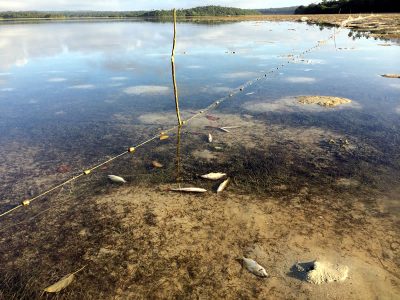
Fish caught in the tidal net at Koloa.

By the time the fishermen have walked the entire length of the tidal net the tide is already coming back in, it is lapping around our legs and some fish have even made a lucky escape over the top of the net. As we start wading back in to the land, the fishermen are pushing the boat loaded with fish back to shore; it is a beautiful and peaceful sight. Then Silka mentions that the fisherman hopes to get an engine for his boat soon, so that he can work the line faster and get to all the fish before they get a chance to escape.
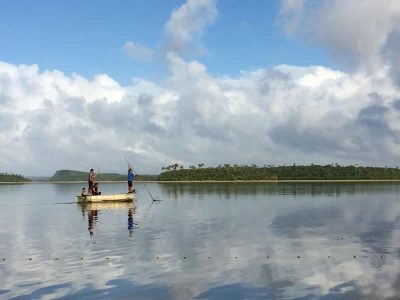
Tonga fishermen push their loaded down boat back to the Koloa shore.


Photos by Alison Barrat.

Related Posts

Everything You Need to Know About the 2027 Science Without Borders® Challenge

Are you ready to combine your creativity with ocean science?

The 15th Annual Science Without Borders® Challenge is now open! Whether you’re participating for the first time or returning for another year, this guide will help you get started.

This year’s theme, Navigate With Care, invites students to explore how responsible navigation helps protect both people and life in the ocean. Through your artwork, you can compete for scholarships and international recognition while inspiring others to protect both people and life in the ocean.

Read More

Global Reef Expedition Data Contributes to Landmark Report on the World’s Coral Reefs

More than a decade after scientists aboard the Global Reef Expedition surveyed coral reefs across the Pacific, the data they collected continues to contribute to our understanding of the world’s coral reefs.

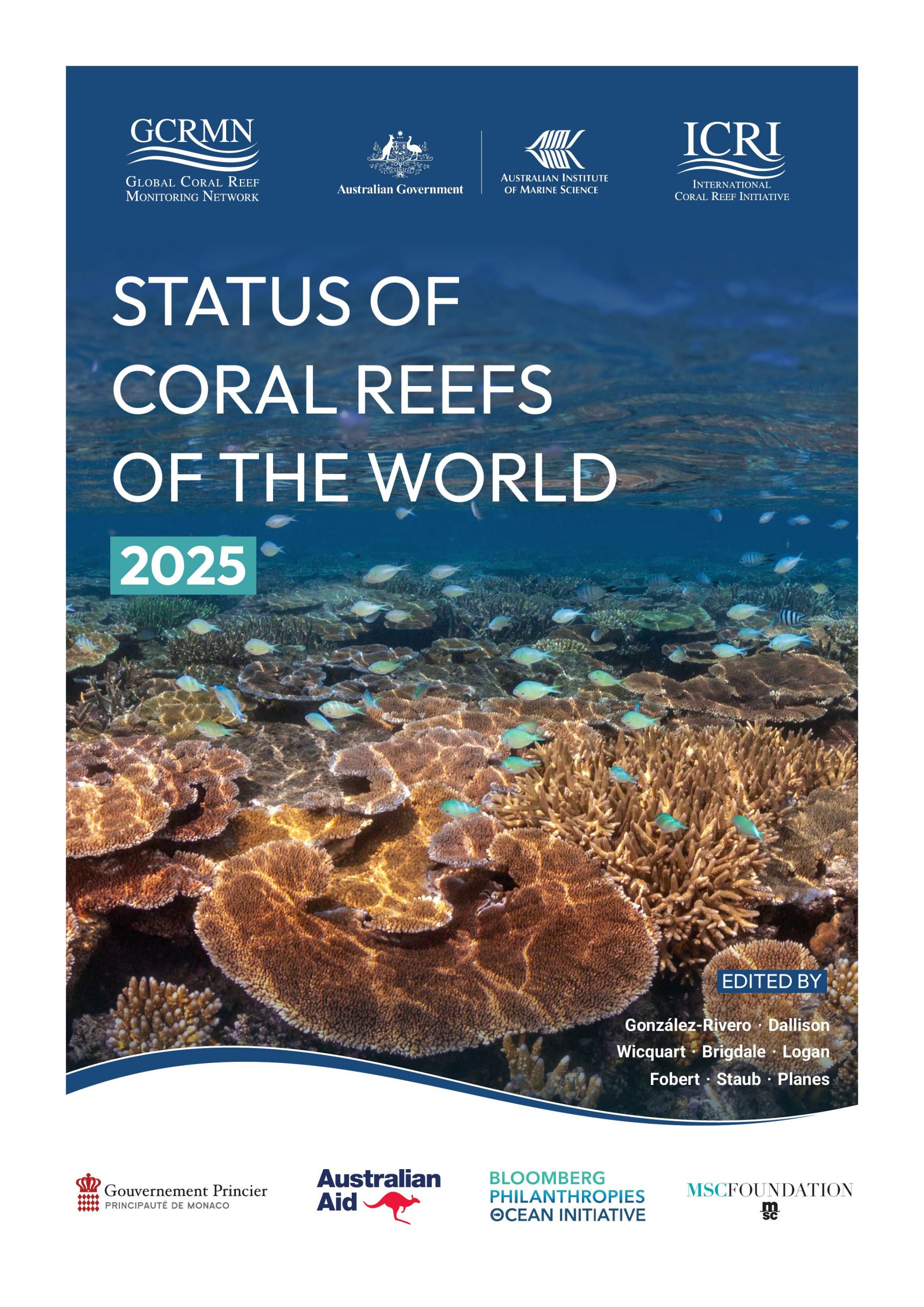
Today, the Global Coral Reef Monitoring Network (GCRMN) released Status of Coral Reefs of the World: 2025, the most comprehensive assessment to date of the status and trends of coral reefs worldwide. The report brings together an extraordinary amount of information collected over more than four decades—and the Khaled bin Sultan Living Oceans Foundation is proud to have contributed data from the Global Reef Expedition to this global effort. 

Read More
Privacy Overview

This website uses cookies so that we can provide you with the best user experience possible. Cookie information is stored in your browser and performs functions such as recognising you when you return to our website and helping our team to understand which sections of the website you find most interesting and useful.  You can view our complete Privacy Policy here.

Strictly Necessary Cookies

Most of our cookies are used to improve website security and reduce spam. These cookies should be enabled at all times. They also enable us to save your preferences for cookie settings.

3rd Party Cookies

This website uses Google Analytics to collect anonymous information such as the number of visitors to the site, and the most popular pages. Keeping this cookie enabled helps us to improve our website.