search-icon
Where’s the Coral?

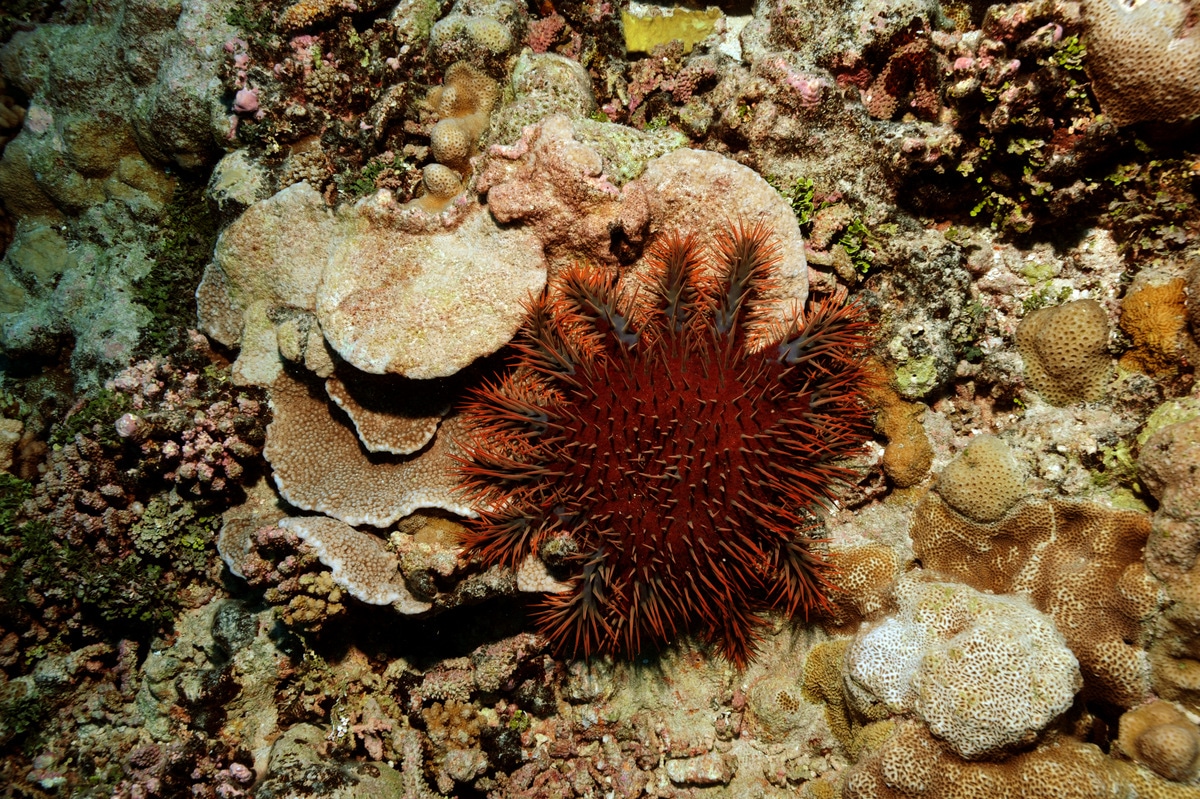
Upon arrival in Rurutu we made a shocking discovery – the reefs were nearly devoid of living coral.  We learned that the island had been devastated by a bad outbreak of crown of thorns starfish (COTS outbreak) that occurred in 2006-2007. All corals were consumed nearly in their entirety from very shallow water to 40 m or deeper. Colonies remained in growth position, although piles of rubble were present in sand channels and grooves between coral heads and coral spurs.
COTS Outbreak
A crown of thorns starfish coming out to eat coral.

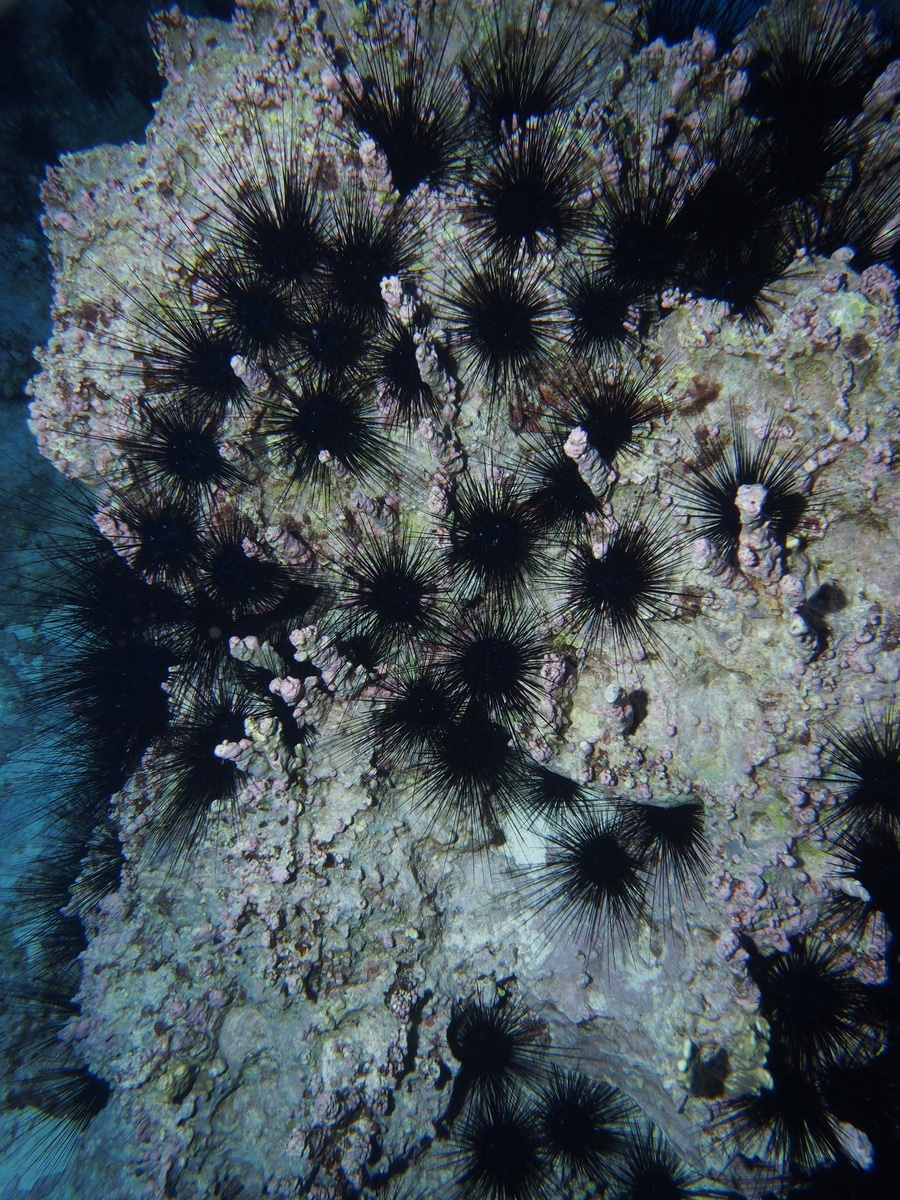
Unlike Society Islands, there were very few tissue remnants left on colonies, and only low numbers of recruits present due to the COTS outbreak. Much of the deeper framework consisted of very large and very old mountainous colonies of pore coral (Porites lobata) which grow only a cm or so per year. Because these colonies had few remaining tissue remnants, their recovery is likely to take decades. What was remarkable was the low amount of algae and the dense populations of sea urchins (in deeper areas we counted hundreds in each 10m x 1m belt transect). This may be good and bad for the corals (dead corals were covered in nice pink coralline algae, but there was a lot of erosion of the skeletons).
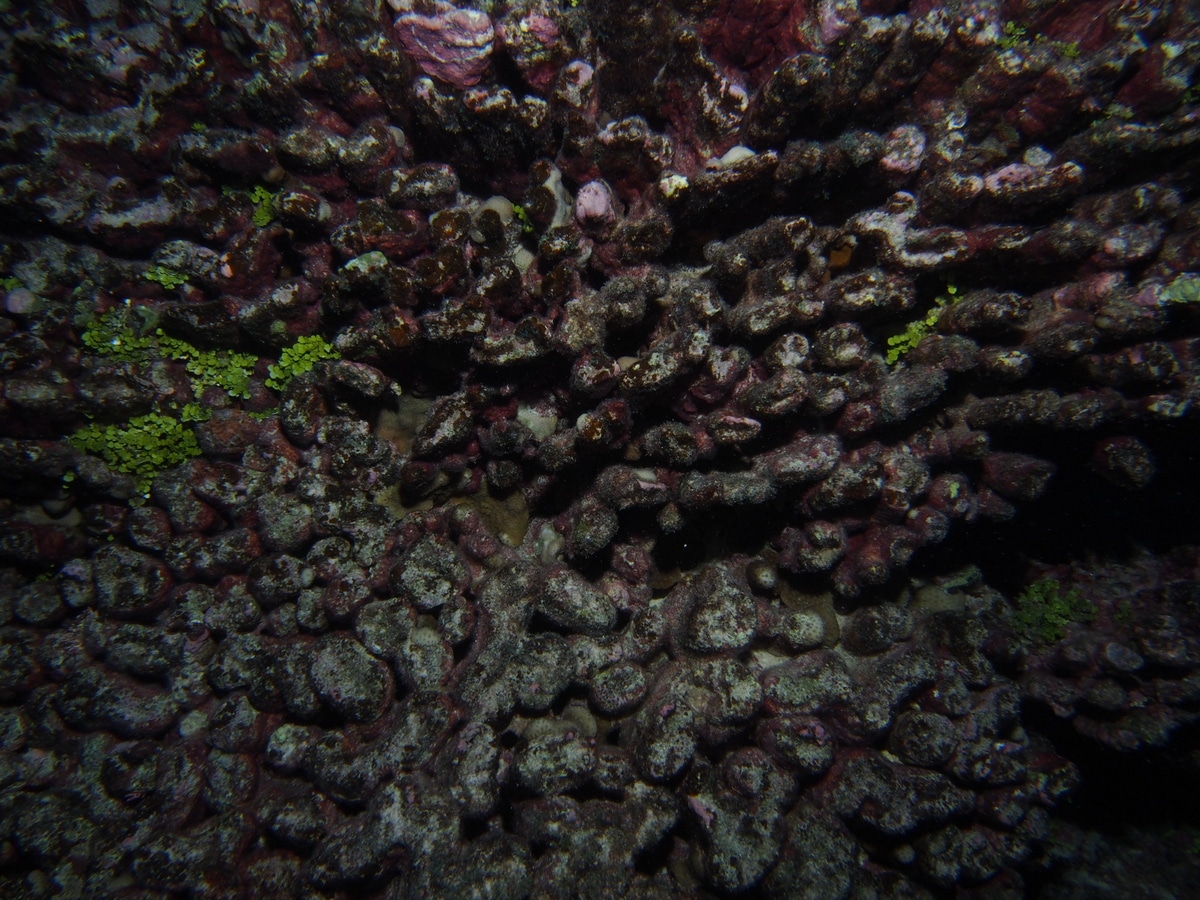
A long dead branching coral which has been overgrown and eroded
A large cluster of long spined sea urchins (Diadema)
A large cluster of long spiny sea urchins (Diadema)


Our next stop, 82 miles away, was Rimatara. The reef was similar in that there was virtually no living coral. Local divers indicated a COTS outbreak had also occurred, but more recently – the last crown of thorns starfish were spotted only a year ago. What was different was a lower number of sea urchins, much more algae and a complete absence of new baby corals. The positive though, the large Porites colonies often had tissue remnants, suggesting they may recover more quickly.
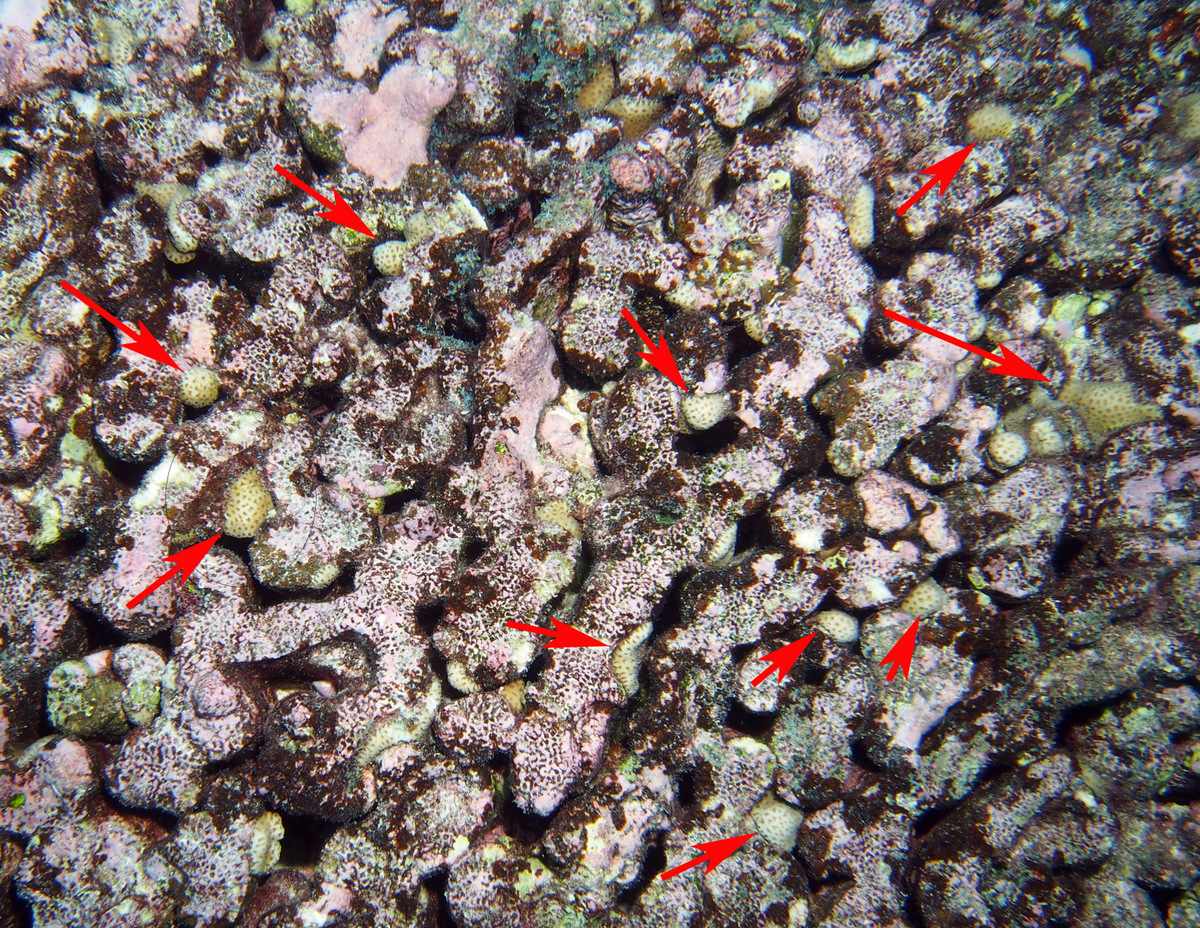
A mostly dead coral with arrows pointing to the tissue remnants remaining

In both COTS outbreak locations a few survivors were found – basically two species – some larger colonies of cauliflower coral (Pocillopora verrucosa) and stout finger coral (Acropora humilis). Coral cover was less than 0.1%.
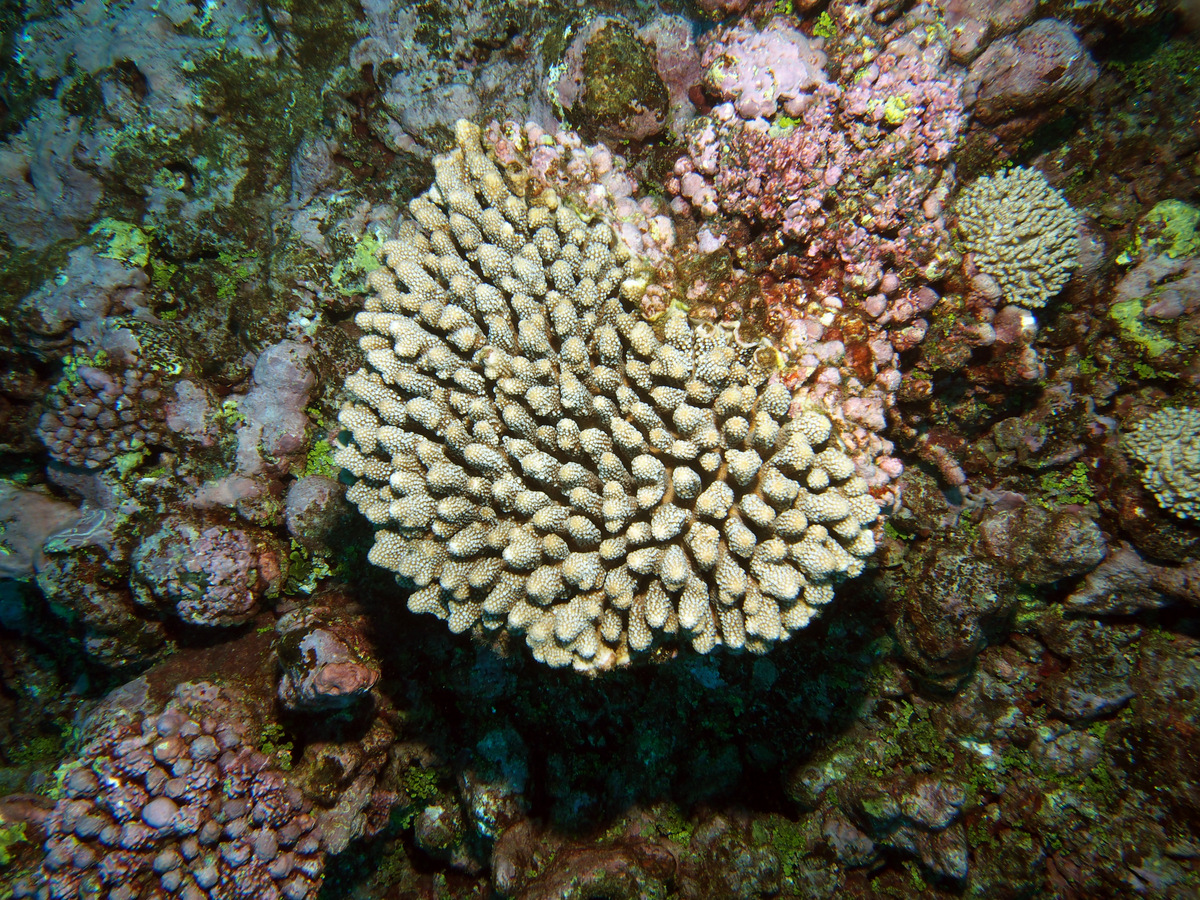
One fo the few healthy looking Acroporas we saw on the "dead reefs"
One of the few healthy looking Acropora we saw on the “dead reefs”

Because these islands are so small, they lack lagoonal habitats, and devastation by a COTS outbreak affected the entire island, new corals will not come from local sources – they require an outside source. This may take a while though, as the closest island is Tubuai, 115 miles to the southeast and Marie, 120 miles to the northwest. Currents during winter (June-September) are predominantly from the west to the east, while spawning occurs around December when most of the water flows from east to the west. Fortunately, Tubuai has not been affected by a COTS outbreak and it has a very healthy coral population which could provide new corals that can recolonize the reefs of Rurutu.
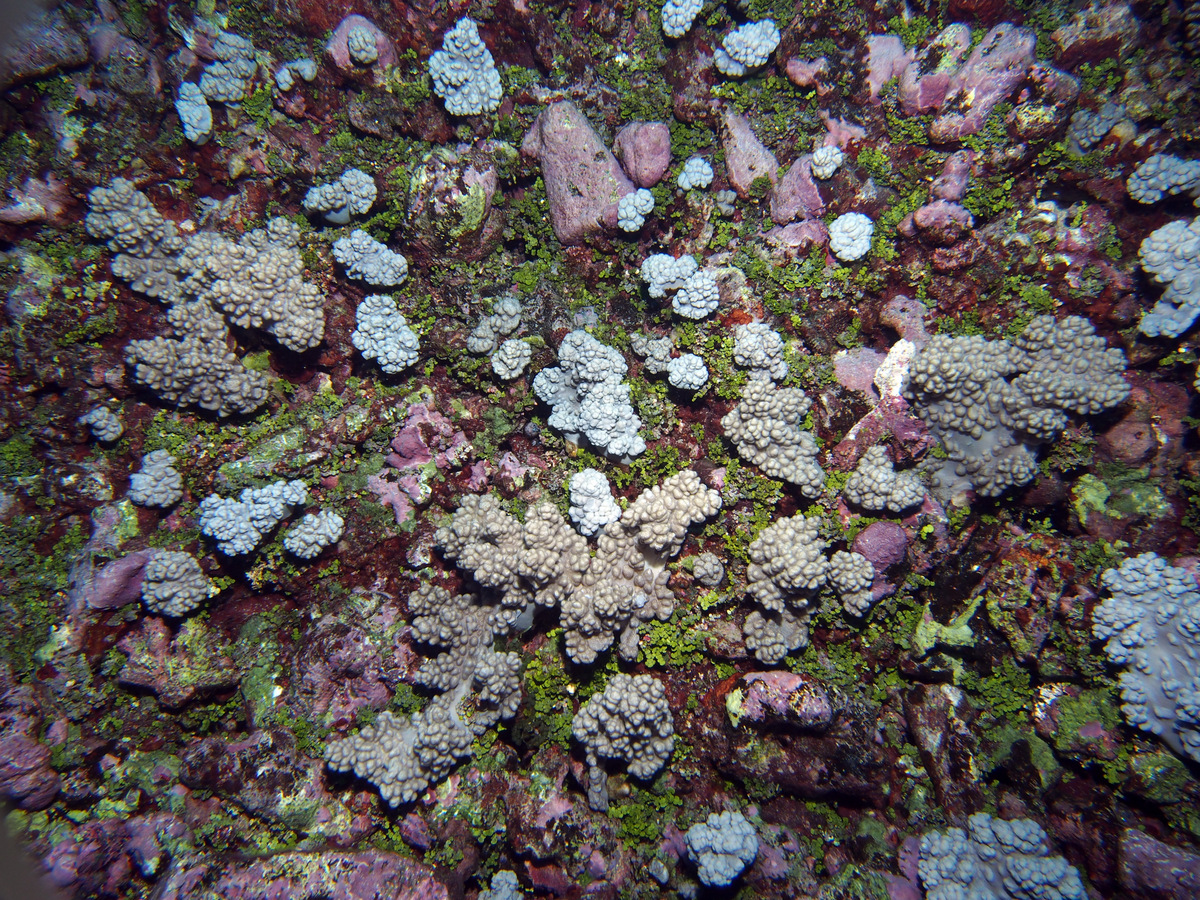
A cluster of soft corals. This is often what we would see on the reefs that were mostly dead

(Photos by Andrew Bruckner)

To follow along and see more photos, please visit us on Facebook!
Related Posts

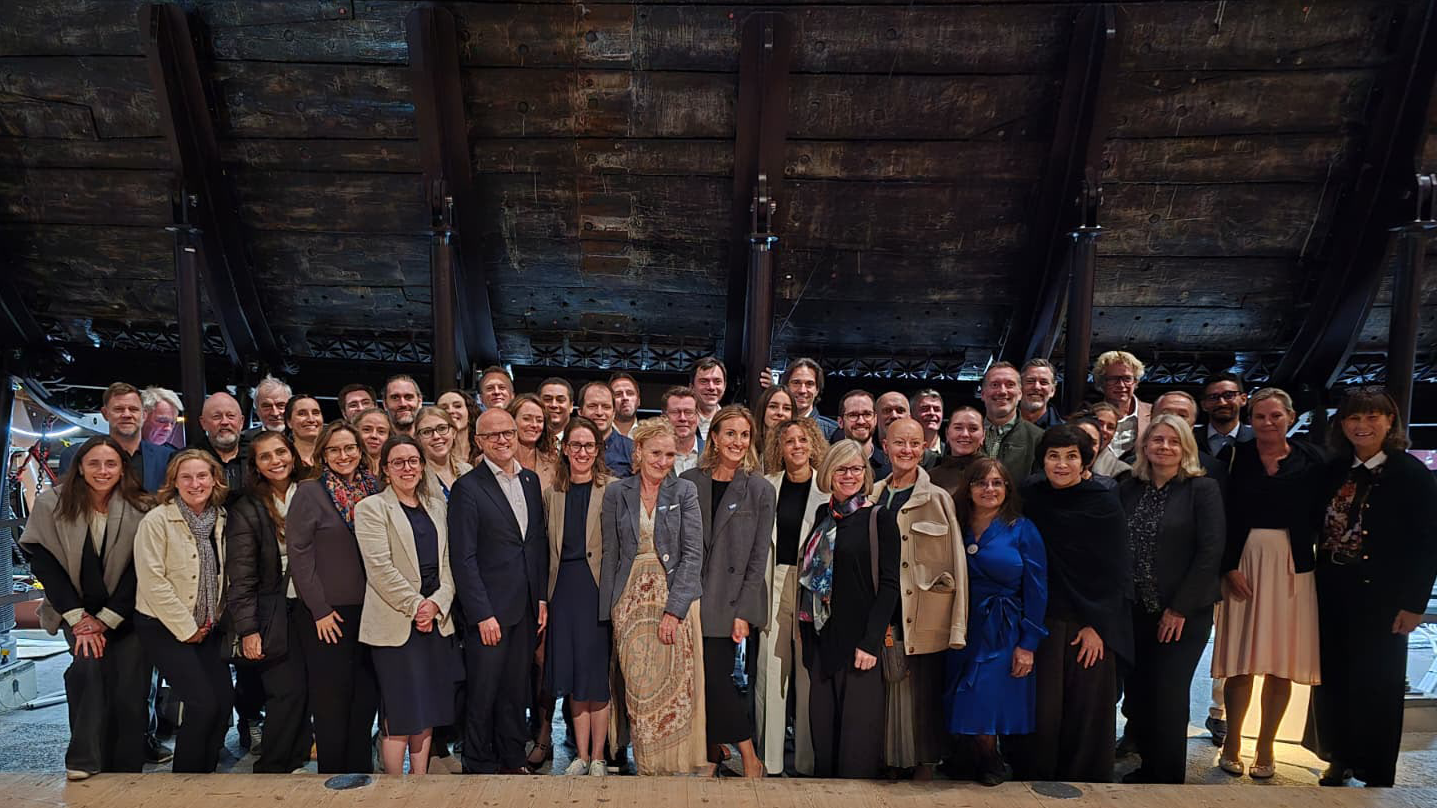
From Dialogue to Action: Ocean Foundations Gather in Stockholm

What can philanthropy accomplish when foundations working across ocean science, conservation, and sustainable development come together around a shared purpose?

That question was at the heart of the 6th UN Ocean Decade Foundations Dialogue, held September 7–9 in Stockholm, Sweden. The Khaled bin Sultan Living Oceans Foundation joined philanthropic organizations from around the world for three days of discussion, collaboration, and planning focused on accelerating progress during the second half of the UN Decade of Ocean Science for Sustainable Development.

Facilitated by UNESCO’s Intergovernmental Oceanographic Commission (IOC), the UN Ocean Decade Foundations Dialogue is a growing network of more than 30 philanthropic organizations committed to advancing ocean science, collaboration, and action. Since its creation within the framework of the Ocean Decade, the Dialogue has provided foundations with a space to exchange ideas, develop partnerships, and explore how philanthropy can help advance a healthy and resilient ocean.

Hosted by the Voice of the Ocean Foundation (VOTO), this year’s gathering began with From Depth to Action, an Opening Forum that brought nearly 100 leaders from the Swedish and international ocean community together at…

Read More

Meet IFAN: Helping Bring Navigate with Care to the Next Generation

If you’ve ever seen a lighthouse flashing from the shore or a brightly colored buoy bobbing in the water, you’ve seen Aids to Navigation at work.

Aids to Navigation, often called AtoNs, help mariners navigate safely. They can mark channels, warn of hazards, help vessels determine their position, and provide other information people need to make safe decisions on the water. Around the world, these systems help guide everything from small recreational boats to large commercial or container ships. 

But safe navigation isn’t only about protecting vessels and the people aboard them. The choices mariners make can also affect the animals and ecosystems beneath and around them.

That connection between maritime safety and ocean conservation is at the heart of this year’s Science Without Borders® Challenge—and of our partnership with this year’s theme sponsor, the International Foundation for Aids to Navigation (IFAN).

Read More

Privacy Overview

This website uses cookies so that we can provide you with the best user experience possible. Cookie information is stored in your browser and performs functions such as recognising you when you return to our website and helping our team to understand which sections of the website you find most interesting and useful.  You can view our complete Privacy Policy here.

Strictly Necessary Cookies

Most of our cookies are used to improve website security and reduce spam. These cookies should be enabled at all times. They also enable us to save your preferences for cookie settings.

3rd Party Cookies

This website uses Google Analytics to collect anonymous information such as the number of visitors to the site, and the most popular pages. Keeping this cookie enabled helps us to improve our website.