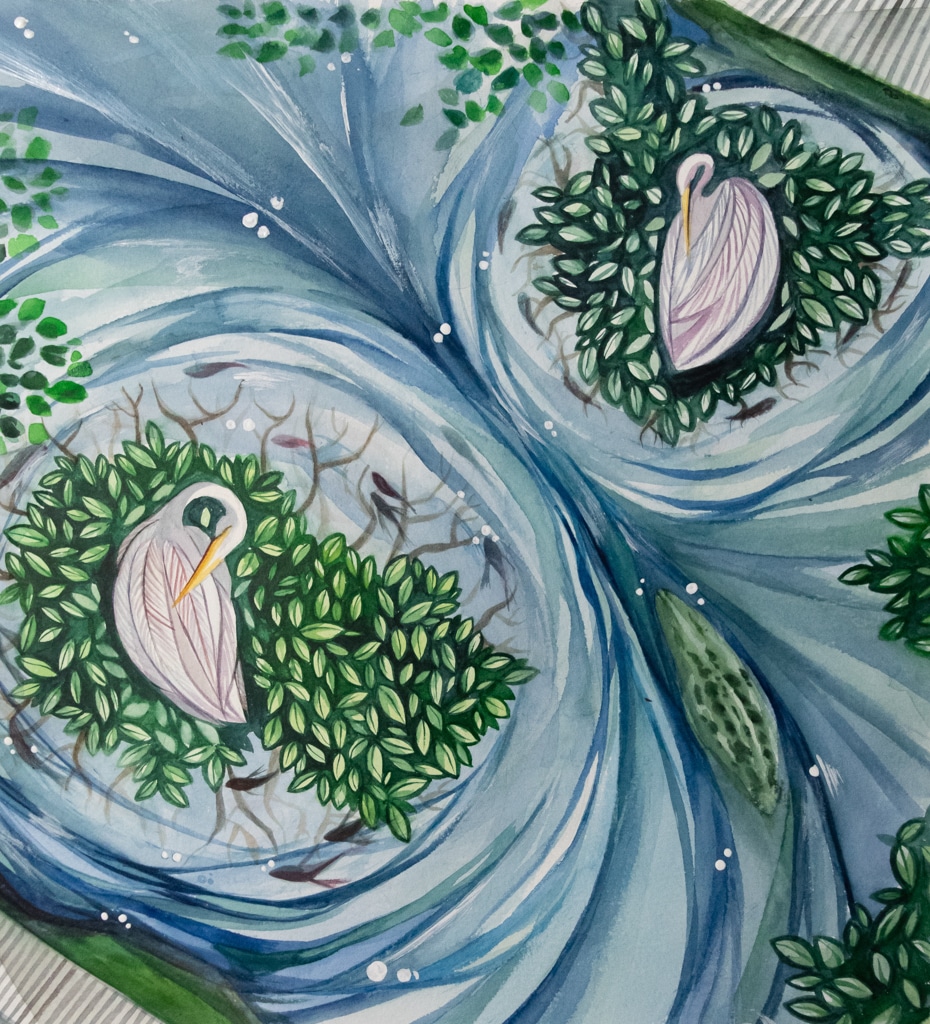
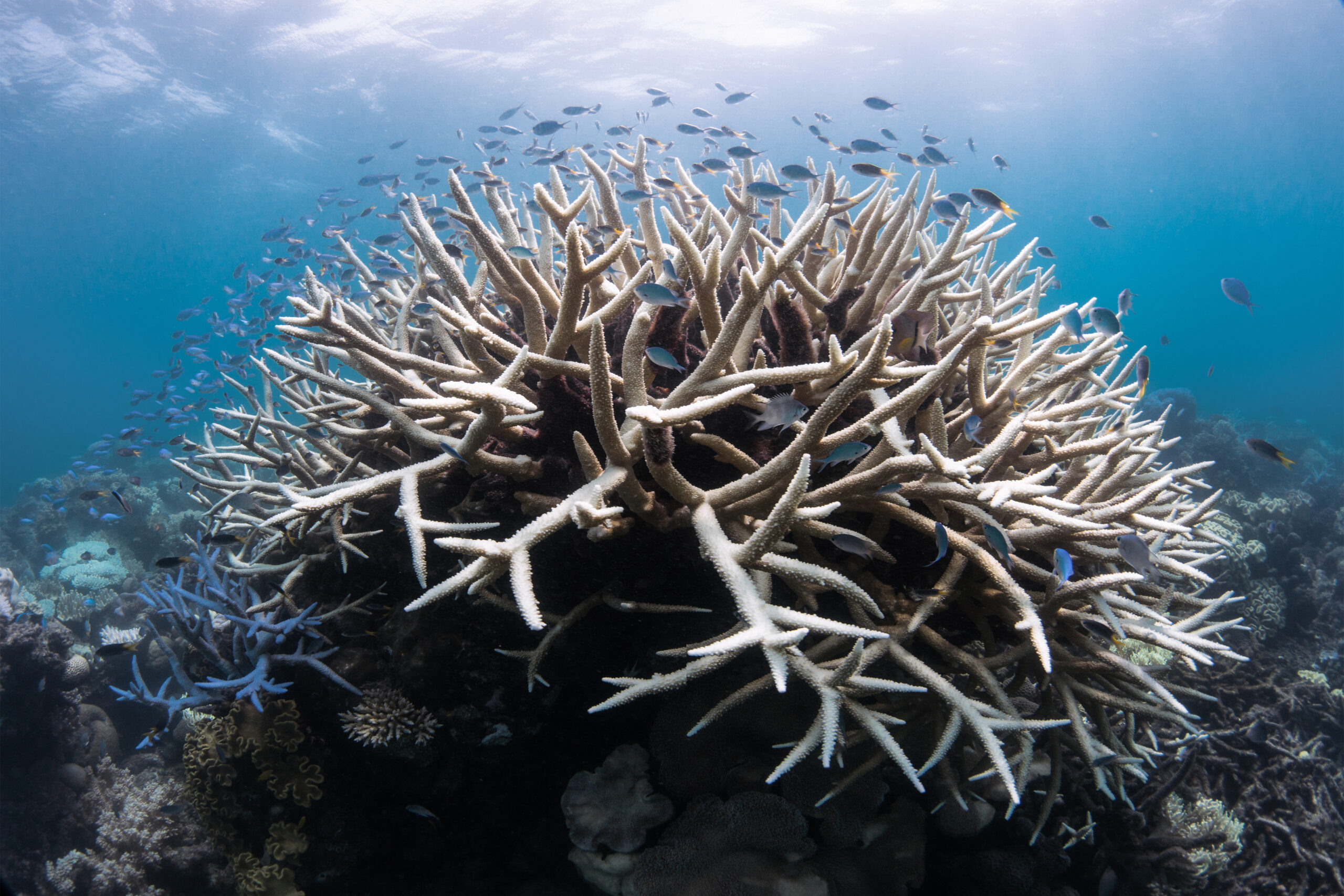
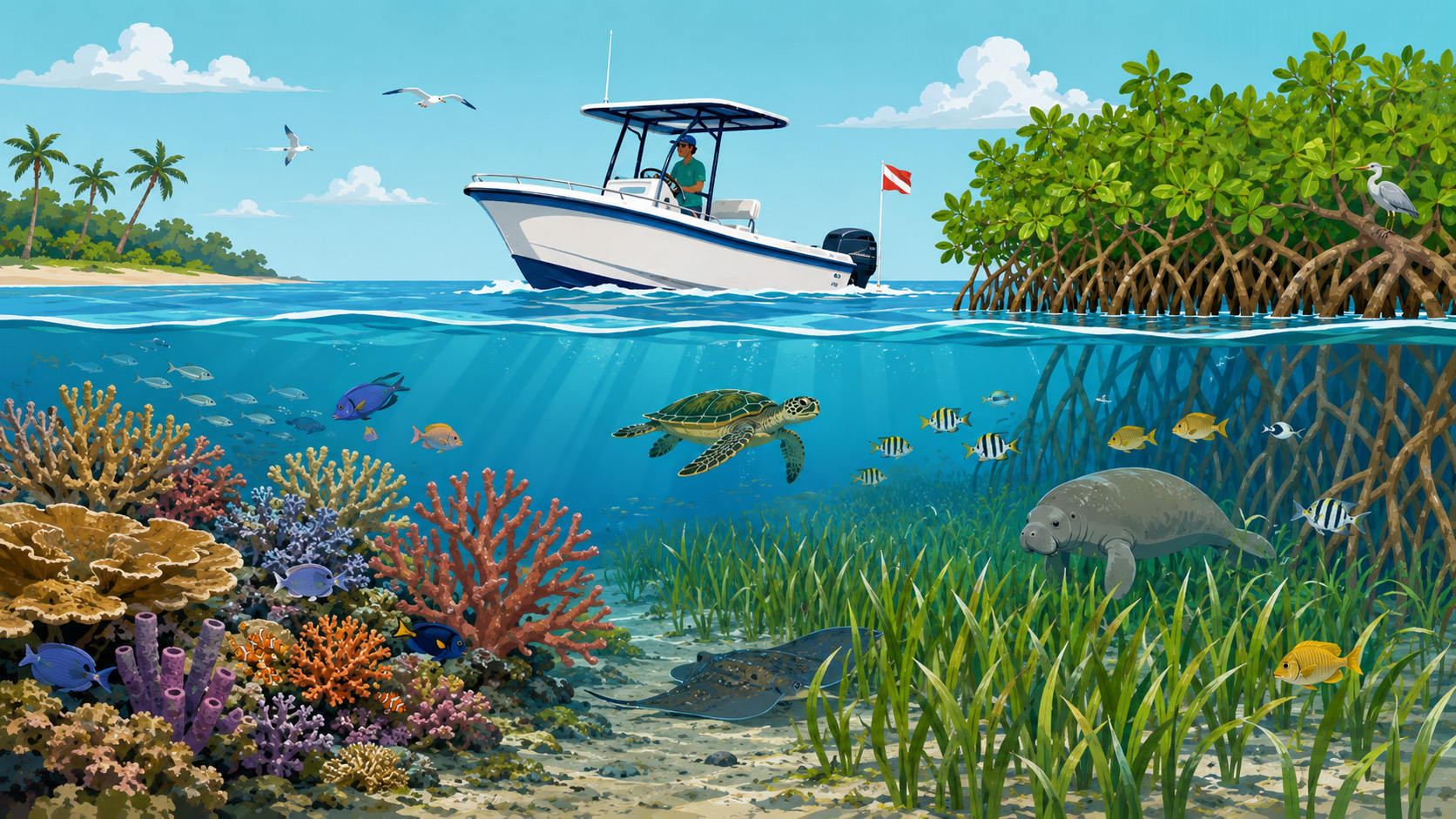
Happy Earth Week! One of the ways we are celebrating Earth Week this year is by announcing the Science Without Borders® Challenge finalists. Each year we choose an ocean conservation theme to encourage students and teachers to learn about different important ocean topics. Our goal is for students to not only learn about the theme through art, but also create artwork that inspires others to want to learn about it too.
The theme for this year’s art contest was “The Magic of Mangroves.” Students were asked to learn about the importance of mangroves, that are not only essential to the wellbeing of the planet, but also are an essential resource for humans too. Based off responses from our student surveys, many learned a great deal about mangroves and came to appreciate them. Here is what some of our participants said:
“I am thankful that you gave us the opportunity to portray our thoughts with the medium of art and for this I learned about the importance of Ocean marine life and about the mangroves. I’m eager to visit the places where I can found mangroves naturally with my family. We will soon plan to see. I also want to be the part of any campaign regarding saving nature, mother earth and the environment.”
–Student age 11, Pakistan
“Before coming in contact with Science Without Borders I wasn’t aware of the depth of (importance of) the oceans. A major part of the oceans is a mystery still. I am thankful to Science Without Borders for their work in spreading the awareness and more.”
–Student age 13, India
“When I was working on my painting, the back of my mind keeps telling me that you do not have enough skills to compete. However, it did not matter to me even if my painting is not as amazing as the other participants, but it is my love for the ocean and the desire to protect the environment. It was what became my motivation to finish my work despite having a lot of school requirements to do.”
–Student age 17, Philippines
“I loved participating in this challenge. I had a little bit of knowledge about mangrove fauna, but I did not realize how important the flora was. I learned so much researching for my art. I definitely recommended this challenge to any middle or high-schooler.”
–Student age 15, United States
“I loved working on my artwork because I could give my artwork meaning while helping other people understand something important for everyone.”
–Student age 15, Germany
Each year these young artists inspire us to want to do more for the environment. Their passion for the ocean is evident and contagious. This Earth Week, we hope that these youth will inspire you to want to do more for the environment too. Without further ado, we are pleased to announce our Science Without Borders® Challenge finalists.
Finalists of the 2021 Science Without Borders® Challenge
Entries to the Science Without Borders® Challenge are judged in two categories based on age. Here are the finalists in each category:
Younger Students: 11-14 Years Old
First Place: "Shelter" by Dana Chung, Age 13, Connecticut, United States of America
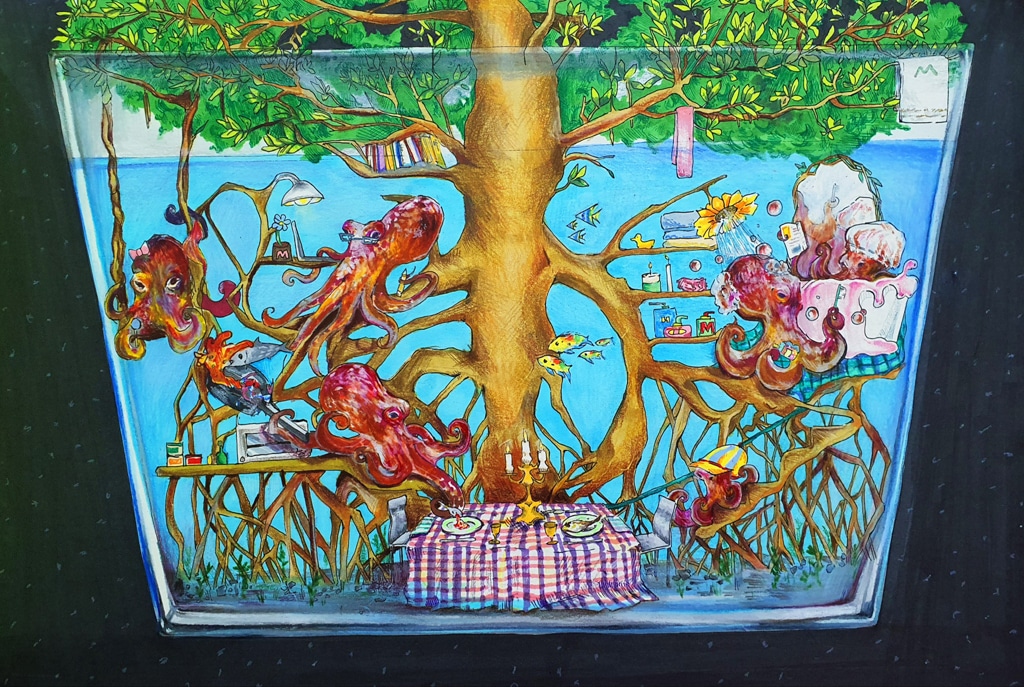
Artist's Statement: Mangrove forests are the barrier that protects locals from severe ocean waves and flooding, and also a shelter that protects sea animals. There are many various reasons that Mangrove trees are a valuable property for not just for humans, but also for the Earth. For this art piece, I depicted a safe, protective shelter that is for all aquatic animals.